China Uses Fishing Fleets as Naval Militia
China is increasingly using its vast fishing fleet as a maritime militia, employing "gray zone" tactics to project power and intimidate rivals. These civilian vessels, sometimes equipped with military support capabilities, are forming large "ocean flash mobs" to create barriers, disrupt surveillance, and signal intent in contested waters, raising concerns about regional stability and potential escalation.

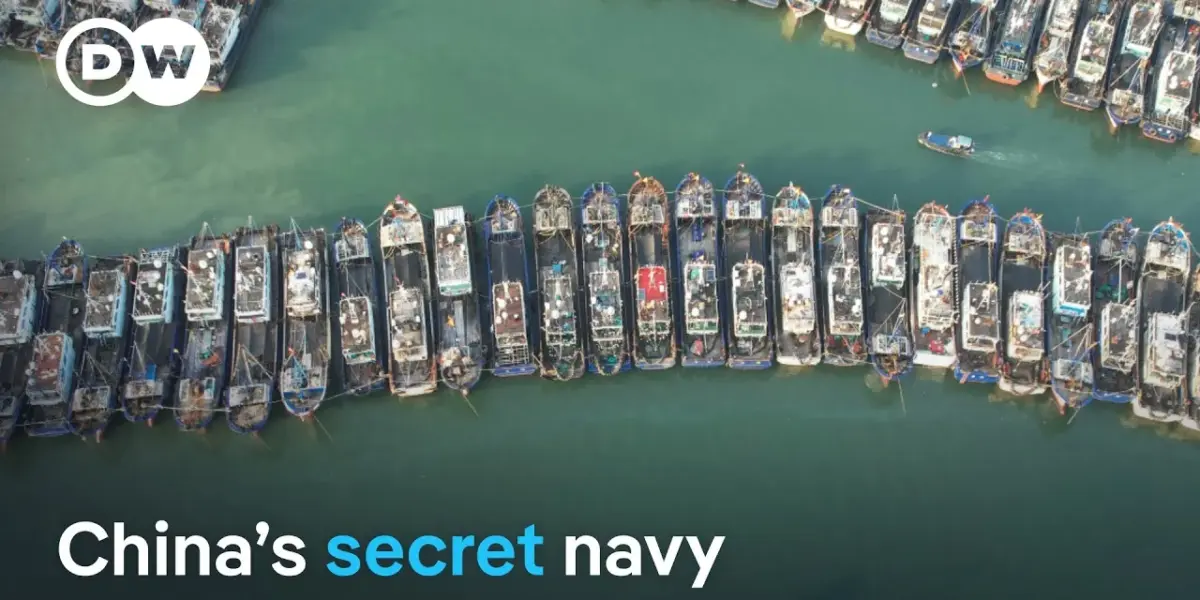
China’s “Ocean Flash Mobs” Signal Growing Naval Power
On Christmas Day last year, satellite images revealed a striking sight: nearly 2,000 Chinese fishing boats gathered to form a massive ocean barrier stretching over 450 kilometers. This fleet held its formation in rough seas for about 30 hours before dispersing, only to return two weeks later with another group of around 1,000 boats. These unusual gatherings, dubbed “ocean flash mobs,” are a key part of Beijing’s strategy to project power and intimidate rivals using civilian vessels as a maritime militia. This tactic, known as “gray zone” warfare, involves using non-military assets in ways that blur the lines between civilian and military actions.
A “Warship in Fisherman’s Clothing”
Experts observe that Chinese fishing vessels are increasingly present in contested waters. For every single Chinese military ship, there are reportedly five Chinese fishing vessels in the area. This presence creates a significant burden for countries like Taiwan and the United States, especially when considering the protection of civilian life. These are not just ordinary fishing boats; some are equipped with reinforced hulls, jamming equipment, and have been seen supporting the Chinese Navy. They have been known to swarm, maneuver dangerously close, and even physically bump into other vessels, as witnessed in skirmishes between China and the Philippines in the South China Sea. An Australian Naval Institute report described these boats as “warships in fisherman’s clothing,” highlighting their dual role.
Specialized and General Militia Roles
The maritime militia operates in two main categories. First are the specialized units, trained for years to perform specific military support tasks. These might include assisting with logistics for landing forces, gathering intelligence, or performing mine-clearing operations, though these specialized units are likely small in number. The more significant concern is the general problem of these boats flooding an area, making surveillance and targeting difficult for opposing forces like the U.S., Taiwan, or Japan. In a potential invasion scenario, this tactic could complicate efforts to degrade Chinese forces attempting to cross the Taiwan Strait.
“Sovereignty Enforcement Operations”
China has long spoken about using civilian resources to achieve national security goals, including warfighting and what they call “sovereignty enforcement operations.” This has been evident in the South China Sea, where fishing boats have been mobilized to harass oil drilling and fishing operations of other nations. These organized maritime militia groups, numbering in the hundreds or even thousands of small vessels and a couple of hundred larger ones, operate in support of China’s national interests. While Beijing does not disclose the exact numbers, their involvement is substantial.
Pressure on Taiwan and Japan
Taiwan has already felt the pressure from these tactics as part of China’s ongoing campaign. The democratic island, claimed by China, faces intimidation that suggests China could control the waters around Taiwan and prevent allies like the U.S. and Japan from intervening. Beyond Taiwan, these non-military vessels have appeared in other incidents. In 2023, a Chinese-registered vessel reportedly damaged subsea cables and a gas pipeline in the Baltic Sea. More recently, in November 2024, two subsea communication cables connecting European countries were reportedly severed by another Chinese civilian vessel. The recent “ocean flash mob” near Japan, close to the disputed Senkaku Islands (known as Diaoyu Islands in China), also serves as a signal. This maneuver occurred after Japan’s new Prime Minister suggested she would support Taiwan if China attempted a forceful takeover, enraging Beijing. Analysts believe these large-scale fishing boat formations are part of a broader strategy to build capacity and signal intent.
Scaling Up and Symbolic Blockades
Geospatial analysis companies have tracked these developments, noting a significant increase in scale. While formations of a dozen to a few hundred ships are common, the Christmas Day event saw over 2,000 vessels. Experts describe these gatherings as “symbolic blockades” or “blockade gestures,” rather than full-scale military blockades. They represent potential actions China might consider in future crises, possibly related to disputes over islands like the Senkakus, rather than a direct Taiwan contingency. Following the large swarm, Japanese authorities in February seized a Chinese fishing boat operating illegally within Japan’s exclusive economic zone, leading to diplomatic friction, a drop in Chinese tourism to Japan, and the return of pandas to China.
A “War Without Smoke” Strategy
China employs a wide range of tactics to intimidate other countries, and these gray zone actions are part of that extensive toolbox. These militarized but not overtly military actions are designed to be intentional and intimidating, falling short of outright attacks. This strategy is part of China’s larger effort to build capabilities for various large-scale military operations, including combat and non-combat scenarios in its surrounding region. The fishing militia represents a “war without smoke” tactic, designed to exert pressure without direct military confrontation. Japan, facing these incursions and economic pressures, is significantly increasing its defense spending and modernizing its Coast Guard. It is also strengthening security ties with the U.S. and conducting joint exercises with allies.
Potential for Escalation
The question remains: how dangerous are these tactics? Could they inadvertently lead to military conflict? With multiple militia vessels operating alongside fewer Coast Guard or Navy ships, and sometimes engaging in aggressive maneuvers, there is a risk of escalation. These fishermen, though part of an organized militia, may act with less formal command and control than regular military personnel. In a tense environment, a nationalistic act by an individual could have unintended and severe consequences, potentially tipping the balance from peace to conflict.
Source: How China uses fishing boats for military power | DW News (YouTube)

Related Articles

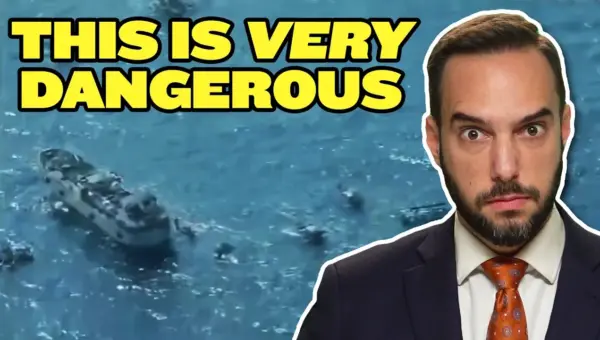
China Escalates South China Sea Tensions, Tests Philippine Resolve
China's Coast Guard has intensified its aggressive actions against Philippine fishing boats, escalating tensions in the South China Sea. This comes as China uses its dominance over critical resources like antimony and jet fuel to exert influence, impacting nations like Canada and Australia. Meanwhile, Taiwan grapples with its own political divisions on how to best engage with Beijing.
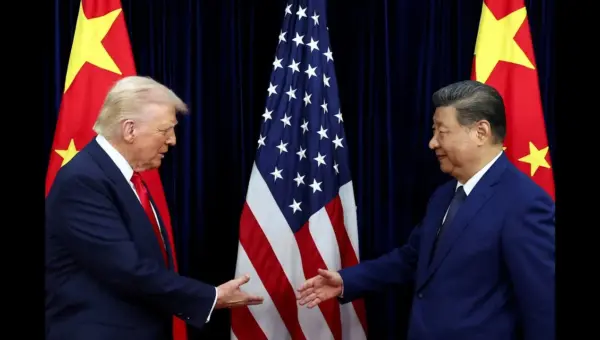
Trump’s China Summit Amidst War: Taiwan Arms Deal Unchanged
President Trump's visit to China, rescheduled for May 14-15, is set amidst the ongoing military operation in Iran. Despite the sensitive timing, Taiwan has received assurances that U.S. arms sales will not be delayed. The summit aims to manage the critical U.S.-China relationship.


NASA Bets Big: $20 Billion for Moon Base Amidst China Rivalry
NASA is pivoting its $20 billion Artemis program to build a moon base, replacing the Lunar Gateway. This strategic shift is driven by intense competition with China and aims for a faster return to the lunar surface. The project emphasizes urgency and resource repurposing.