China Spy Fears: Tugendhat Slams ‘Hostile State’ Reach
Conservative MP Tom Tugendhat has strongly criticized China's alleged espionage activities in the UK, demanding "action" instead of "deep concern." He also questioned the UK's defense posture in the Middle East, suggesting a failure to protect allies.

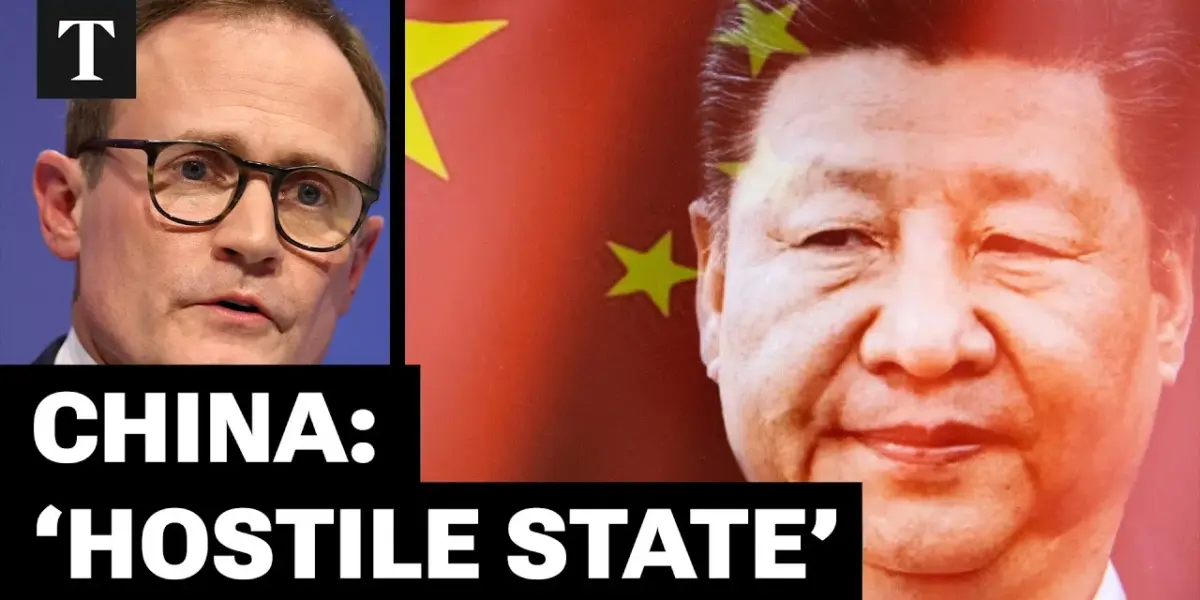
Tugendhat Denounces ‘Aggressive Behavior’ Amid Latest Westminster Spy Allegations
Conservative MP and former security minister Tom Tugendhat has voiced strong concerns over China’s alleged reach into UK politics, describing the nation’s actions as “extremely aggressive behavior by a hostile state.” His remarks come in the wake of a fresh Westminster spy saga, involving the arrest of three men on suspicion of assisting a foreign intelligence service. One of the men arrested is David Taylor, a lobbyist and husband of Labour MP Joanie Reid. While Ms. Reid has stated she has no reason to suspect her husband of breaking the law and has never spoken on China-related matters in Parliament, the incident has reignited anxieties about foreign interference.
‘Deep Concern’ Not Enough, Tugendhat Demands Action
Speaking on the latest allegations, Tugendhat emphasized that this is not an isolated incident but part of a pattern of Chinese activity that has been ongoing for years. “The thing that concerns me is now for a very long time we’ve heard about various different incidents of which this is just the latest one. And the response that we seem to be met with is sort of deep concern, deep concern, deep concern. Well, fine, but I’m not really interested in deep concern. What I’m interested in is action,” he stated.
Tugendhat highlighted that concerns about Chinese espionage are not limited to one political party, noting that “conservatives, there’s Labour, there’s, you know, others have been uh caught up in it in various different ways.” He pointed out that while the Conservative government under which he served introduced laws to combat such activities, they are currently not being fully utilized. “We brought in laws that were able to deal with it and sadly we left them on the statute books with the intention of bringing them in. Sadly, the electorate had a different view on that. And so, uh, you know, they’re sitting there waiting to be used and not being used.”
China’s ‘Industrial Determination’ in Espionage
The former security minister stressed that the UK should not tolerate such activities, comparing them to other serious crimes. “You know, just because it’s the sort of thing that happens doesn’t mean we should tolerate it. We absolutely shouldn’t tolerate it,” he urged.
Tugendhat described China’s approach to espionage as uniquely “industrial determination.” He explained that the state possesses both the capability and the manpower, dedicating significant effort to its intelligence operations. This espionage, he elaborated, serves multiple purposes:
- Economic Espionage: Stealing corporate secrets, which can lead to job losses, business closures, and reduced tax revenue, ultimately impacting public services like hospitals and schools.
- Repression of Dissidents: Silencing individuals such as Hong Kongers and Chinese students residing in the UK who are critical of the Chinese state.
“I see absolutely no reason why we should be even slightly tolerant of this. This is extremely uh aggressive behavior by a hostile state that Karma has spent most the last 12 months trying to suck up to,” Tugendhat declared, referencing the current government’s engagement with China.
‘Super Embassy’ Location Sends Wrong Message
Tugendhat also critically addressed the issue of China’s embassy in London, dismissing claims that consolidating its various sites into a single, larger location would enhance counter-espionage efforts. He called such assertions “complete rubbish,” arguing that China’s intelligence network operates far beyond its embassy premises.
Instead, he argued, the embassy’s prominent location and size send a dangerous signal. “The problem with this embassy is not it not just its, you know, location next to cables and so on, but the fact that it sends a very clear message that we are willing to tolerate a super embassy on our territory opposite the Tower of London with a big red flag over the city.”
He warned that this sends a chilling message to Chinese dissidents fearing for their safety, British businesses concerned about economic security, and other foreign investors who might perceive the UK as being “bought and sold to Beijing.” Tugendhat concluded this point by stating, “It’s really completely unacceptable.”
Criticism of UK’s Middle East Response
The discussion then shifted to the UK’s role in the Middle East, particularly in light of recent events in Iran. Tugendhat expressed deep concern for allies in the region, including the UAE, Bahrain, Kuwait, Qatar, and Saudi Arabia, with whom he has been in contact.
He revealed that many regional partners feel let down by the UK government’s actions, or perceived lack thereof. “There’s a real feeling that allies are are suggesting the [government] has been weak here,” he noted, echoing reports in The Times.
Tugendhat, speaking from Delhi where he was attending a regional dialogue, shared insights from his initial conversations. “My initial talks uh with individuals last night and and this morning have been reflecting what the times has written uh that many people in the region had an attitude that look you can have a base here but part of the deal on you having a base is you get range and we get protection. Well, if we don’t get protection, what the hell’s the point in the base?”
He specifically questioned the absence of UK naval assets, such as Type 45 destroyers, renowned for their ballistic missile defense capabilities, in the region when they were clearly needed. “And you haven’t deployed it. I mean, it does really beg the question, well, what’s the point in the alliance?” he asked.
While acknowledging sympathy for the UK’s decision not to join initial strikes, Tugendhat argued that the failure to deploy defensive assets like destroyers or submarines to the Middle East once the conflict became imminent was a significant misstep. He criticized the decision-making process, suggesting that “our policy is being governed by human rights lawyers, not by people who are concerned about the defense of Britain and our allies.”
Looking Ahead: Action Over Words
The interview concluded with a pointed critique of the government’s preparedness and response, emphasizing the need for tangible action over expressions of concern. The recurring question regarding the absence of UK naval assets in a volatile region, despite the capability and forewarning, remains unanswered, leaving allies feeling exposed and questioning the value of the alliance.
Source: Starmer Is 'Sucking Up To' 'Hostile' China | Tom Tugendhat (YouTube)

Related Articles
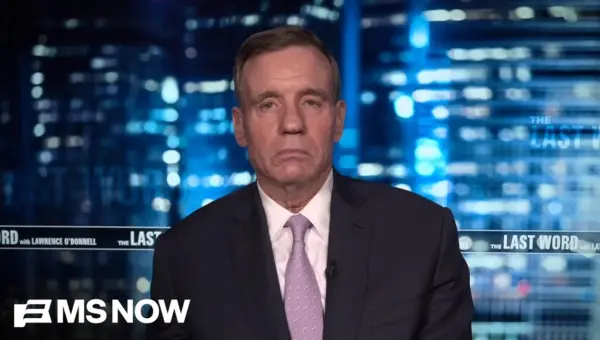
Senator Warner Slams Trump’s ‘War of Choice’ in Iran
Senator Mark Warner has strongly criticized the Trump administration's military actions in Iran, calling it a "war of choice" lacking an imminent threat. He highlighted shifting justifications and the failure of Congress to assert its constitutional duties, leaving families of deployed soldiers without clear answers.
Trump Admin Scrambles for Iran War Justification
The Trump administration is facing scrutiny over shifting justifications for military action against Iran, with critics alleging a lack of clear strategy and reliance on "ad hocism." Reports indicate officials struggled to substantiate claims of imminent threats, leading to public skepticism and internal political divisions.
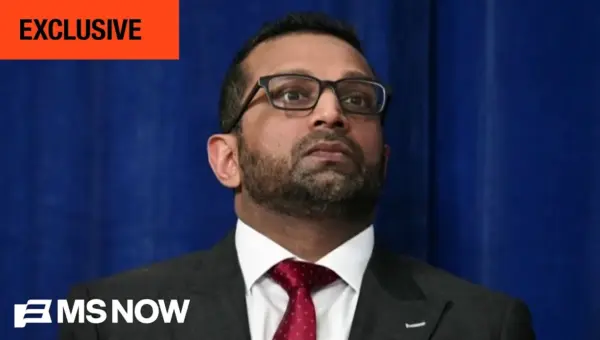
FBI Director Kash Patel Accused of Retaliatory Firings
A new report alleges FBI Director Kash Patel is engaging in retaliatory firings of experienced staff and agents, directly linked to negative press coverage of his own conduct. Sources within the FBI express concern that these dismissals jeopardize the bureau's mission and operational integrity.