China Spreads Lies About US Rescue Mission
China's state media is spreading false narratives about a successful US military rescue mission. While the US highlights an operational victory, China echoes Iran's claims, distorting facts and focusing on US losses. This highlights a pattern of state-sponsored misinformation.

China Spreads Lies About US Rescue Mission
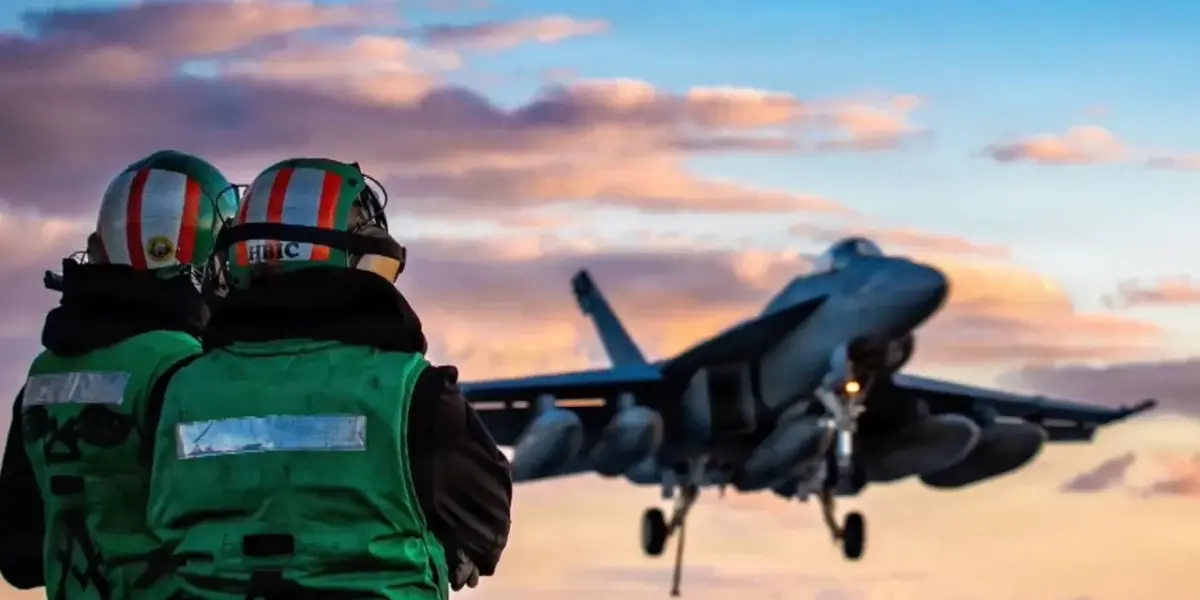
China’s state media is spreading false stories about a recent US military operation. The US successfully rescued two pilots from an F-15 fighter jet in Iran. This mission was a clear win for the American military. However, China is using its news outlets to share information that seems to be untrue. These stories closely match what Iran has been saying about the event.
When testing search terms like “US troops” on China’s main search engine, most of the news about the rescue mission was negative. Many of these stories repeated Iran’s version of events. Some Chinese headlines suggested that the US had lost its air superiority in Iran. Others falsely claimed Iran had published pictures of dead American soldiers. These untrue allegations, first pushed by Iran’s foreign ministry, accused the US of using the rescue as a secret mission to steal something from Iran.
US Forces Act Swiftly, China Distorts Facts
The US special forces carried out the rescue of the two pilots despite a large reward offered by Iran for their capture. President Trump ordered the mission after US intelligence gathered important details. During the operation, the US military did lose a fighter jet and some other aircraft. China’s media focused heavily on these losses, saying they cost hundreds of millions of dollars. This narrative aims to make the US look bad, suggesting the mission was too expensive and risky.
Chinese Public Reacts Differently
Interestingly, many people in China saw the situation differently. Some internet users focused on the fact that the US was willing to spend a lot of money and take risks to save its soldiers. One person asked if serving in the US military was worth it, considering the high value placed on soldiers’ lives. Another user pointed out that spending over $400 million, plus the unknown dangers, to rescue one soldier – who might even be permanently injured – shows a nation that can be trusted.
A Stark Contrast in Values
This focus on valuing soldiers’ lives stands in contrast to reports from China’s own media. In 2020, Chinese news discussed new equipment for soldiers in Tibet. One feature allowed a soldier to end their own life if captured. However, the report also mentioned that a commander could use this function to end a soldier’s life if they thought it was necessary. This raises serious questions about how soldiers’ lives are valued in China compared to the United States.
Why This Matters
This incident highlights a growing trend of state-sponsored misinformation campaigns. China, like other authoritarian regimes, uses its media to shape public opinion both at home and abroad. By pushing false narratives, China aims to undermine the United States and promote its own geopolitical interests. This tactic can confuse people, sow distrust in American actions, and make it harder to understand the truth.
Historical Context: The Power of Propaganda
The use of media to spread propaganda is not new. Throughout history, governments have used news and information to control their populations and influence international perceptions. During the Cold War, both the US and the Soviet Union engaged in extensive propaganda efforts. Today, with the rise of social media and the internet, these campaigns can spread faster and reach more people than ever before. China’s actions in this case are a modern example of this long-standing strategy.
Implications and Future Outlook
The deliberate spread of fake news about a successful US military operation shows China’s willingness to distort facts for political gain. It suggests that we can expect more such campaigns in the future, especially concerning sensitive international events. Understanding these tactics is crucial for citizens and governments alike. It requires critical thinking when consuming news, especially from state-controlled media outlets. The US and its allies need to be prepared to counter these misinformation efforts with clear and accurate information.
The contrast between the US valuing soldiers’ lives and the disturbing details about Chinese military equipment suggests a fundamental difference in national values. This is a point that resonates with many people, even within China. As information becomes more accessible globally, such comparisons will likely continue to be made, potentially influencing public opinion and international relations in the long run.
Source: China Pushes Fake News on US pilot Rescue (YouTube)

Related Articles


US Replicates Iran’s Deadly Drone, But Makes It Smarter
The US has reverse-engineered Iran's Shahed drone, creating its own Lucas version. While externally similar, the Lucas boasts advanced terrain-matching navigation, allowing it to strike with pinpoint accuracy even without GPS. This highlights a trend towards affordable, high-tech drone warfare.
Iran’s Strait of Hormuz Trap: How the US Fights Back
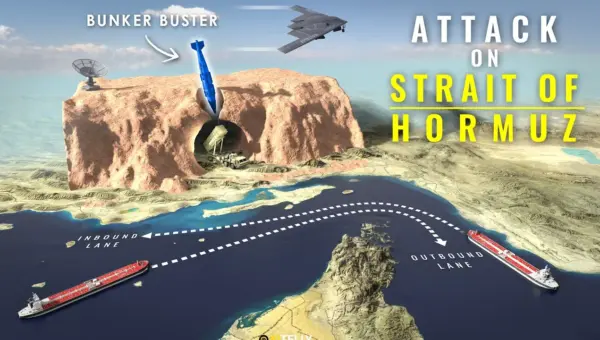
Iran's strategy to control the Strait of Hormuz involves using islands as bases for anti-ship missiles and launching swarm attacks with small boats. The US counters with advanced defense systems, surveillance drones, and powerful bunker-buster bombs, highlighting the ongoing tension in this vital global shipping lane.
US Aims to Cripple Iran’s Power Grid to Secure Strait of Hormuz
A new US strategy reportedly targets Iran's power grid, including major plants like Damavand, to force open the Strait of Hormuz. The plan involves multi-stage air attacks using advanced bombers and precision munitions to cripple energy infrastructure and cause cascading failures.