China Shifts Voice: From Aggression to Subtle Influence
The recent viral moments of a deceased Chinese influencer and a rising Western commentator suggest a shift in China's global messaging. Beijing may be moving from aggressive 'wolf warrior' tactics to more subtle, globally appealing voices. This change could significantly impact international perceptions and China's influence abroad.

China Shifts Voice: From Aggression to Subtle Influence
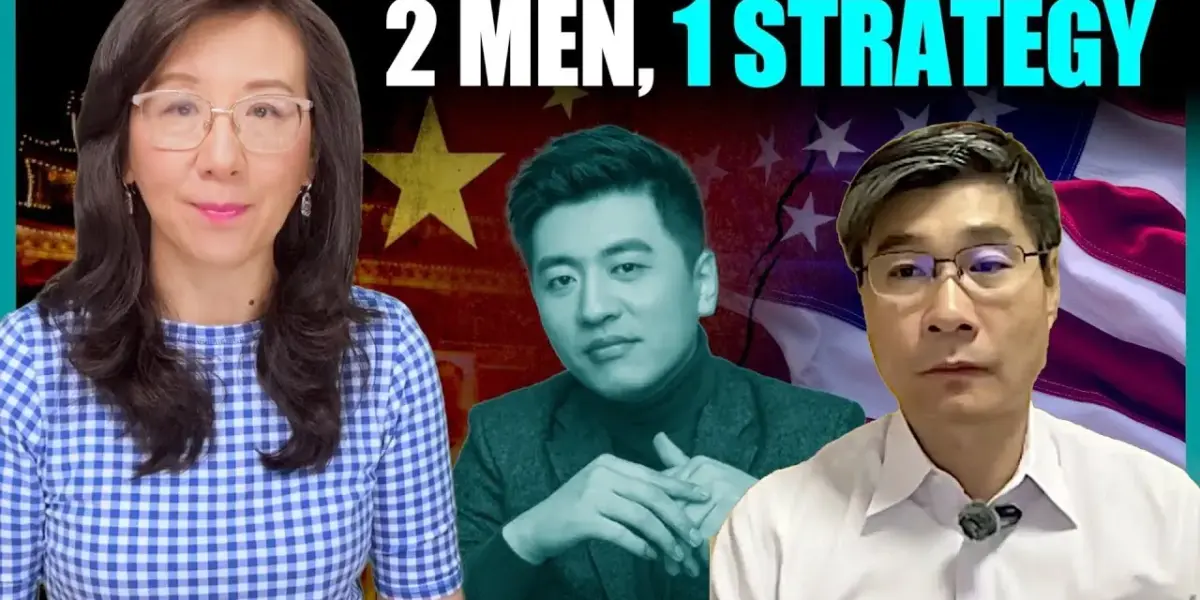
Two Chinese men went viral recently, but for very different reasons. One died suddenly at the height of his career, while the other saw his influence grow rapidly in Western media. These events, seemingly unconnected, reveal a significant change in how China presents itself to the world.
The Honest Voice Silenced
Zhang Xuefeng, an education influencer known for his blunt honesty, died suddenly. His death quickly led to widespread speculation and discussion online. Zhang had built a large following by speaking his mind, often about sensitive topics related to China’s education system. His candid approach resonated with many, but it also put him in a difficult position.
A New Voice Emerges in the West
At the same time, Jiang Xueqin, a commentator educated in the West, began gaining attention in the United States. His messages often mirrored those found in China, but they were presented in a way that appealed to a Western audience. This rise in Western platforms suggests a strategic effort to shape global perceptions.
Connecting the Dots: A Pattern Appears
When you look at Zhang’s sudden death and Jiang’s growing influence together, a pattern starts to form. It suggests that Beijing might be changing its communication strategy. The aggressive ‘wolf warrior’ style, which often involved confrontational rhetoric, may be giving way to more subtle and globally appealing voices. This shift aims to present a more palatable image to international audiences.
Why This Matters
This change in communication is important because it affects how we understand China and its global intentions. For years, China’s foreign policy messaging, often called ‘wolf warrior diplomacy,’ was direct and sometimes seen as hostile. This approach aimed to defend China’s interests fiercely but often created friction with other countries.
The sudden popularity of voices like Jiang Xueqin, who present similar ideas but in a less confrontational manner, indicates a possible pivot. It’s like a company changing its advertising. Instead of shouting loudly, they are trying a softer, more persuasive approach. This new strategy might be more effective in winning hearts and minds globally.
Historical Context: The ‘Wolf Warrior’ Era
The ‘wolf warrior’ approach became prominent around 2019 and 2020. It was characterized by strong, often nationalistic, statements from Chinese diplomats and state media. These messages defended China’s actions on issues like Hong Kong, Taiwan, and trade disputes with the United States. While this approach aimed to project strength and deter criticism, it also led to increased suspicion and negative views of China in many Western countries.
The sudden death of Zhang Xuefeng, a figure who represented a more unfiltered, perhaps even critical, voice within China, also adds a layer of complexity. His ability to go viral with honest takes might be seen as a sign of public sentiment that the government is now trying to manage differently. Was his death a coincidence, or does it signal a tightening of space for even candid internal voices?
Implications and Future Outlook
The implications of this potential shift are significant. If China is moving towards more sophisticated communication, it could make its messages harder to dismiss. Western audiences might be more receptive to narratives that sound less like propaganda and more like reasoned debate. This makes it crucial for international observers to look beyond the surface and understand the underlying messages.
The future might see more commentators like Jiang Xueqin appearing on global platforms. These individuals will likely present arguments that align with Beijing’s interests but do so with Western-style communication techniques. This could make China’s influence operations more effective and harder to detect. It is a subtle but potentially powerful change in how nations compete for global influence.
Understanding this shift requires looking at who is speaking, how they are speaking, and where they are speaking. The contrast between Zhang Xuefeng’s impactful but perhaps risky honesty and Jiang Xueqin’s carefully crafted global appeal highlights a complex and evolving communication strategy. China appears to be adapting its methods to a changing global environment, seeking to persuade rather than just confront.
Source: One Dies in China, One Rises in America — What Changed? (YouTube)

Related Articles


Mexico Navigates US-China Rivalry
Mexico is caught in a geopolitical tug-of-war between the United States and China. The nation must carefully balance its economic needs and strategic interests with both superpowers. This situation highlights Mexico's growing importance in global affairs.

China Sends Old Jets Reborn as Drones Toward Taiwan
China has converted old J6 fighter jets into attack drones, deploying over 200 near Taiwan. These drones could overwhelm air defenses and present a costly challenge for Taiwan's interceptors. This move highlights evolving military tactics and regional tensions.


Trump Delays Iran Strike Deadline Amidst Shifting Diplomacy
President Donald Trump has extended his deadline for potential strikes on Iranian energy plants to April 6th, amid reports of U.S.-Iran diplomatic talks mediated by Pakistan. This move comes as Israel continues its strikes on Iran and the U.S. deploys additional military assets to the region. Analysts point to mixed signals, economic pressures, and strategic miscalculations as key factors shaping the evolving situation.