China-Russia Alliance Risks Global Energy & Security
A growing alliance between China and Russia is creating ripples in global energy markets and security. China's reliance on Middle Eastern oil, coupled with potential disruptions in the Strait of Hormuz, could lead to higher prices and economic strain. Meanwhile, China's increasing assertiveness in the Indo-Pacific and its advancements in drone technology raise further concerns.

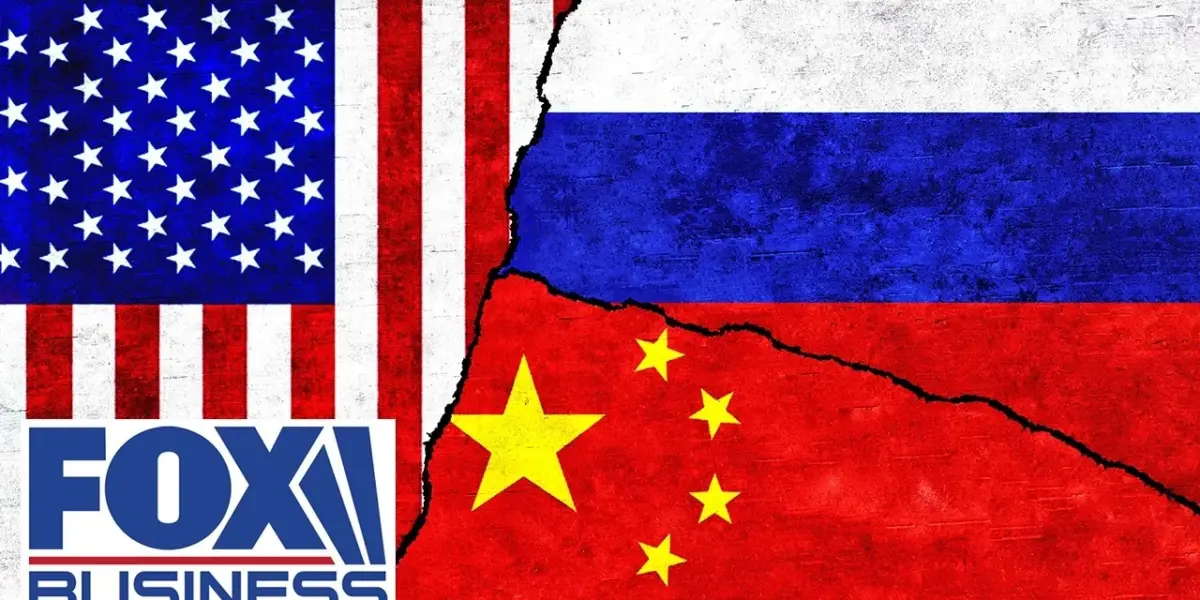
China and Russia Forge Alliance Amidst Global Tensions
A strategic partnership between China and Russia is raising concerns about global energy supplies and security. Reports indicate China is willing to cooperate with Russia to ease Middle East tensions and ensure the Strait of Hormuz remains open. This comes after a phone call between the foreign ministers of Beijing and Moscow, just before a UN Security Council vote on protecting commercial shipping in the vital waterway.
China’s Energy Dependence and the Strait of Hormuz
China relies heavily on Middle Eastern oil, sourcing a significant portion from Iran. It has been buying Iranian crude at below-market prices, about a quarter of what it can acquire, due to sanctions. Similarly, China purchases Russian oil for the same reason. If the flow of oil through the Strait of Hormuz is disrupted, China would be forced to pay higher market prices. This could significantly harm China’s economy, as it needs this energy to fuel its growth.
“If that oil is not flowing or it’s constrained because there is traffic through the Strait of Hormuz, then China will have to start paying market prices for energy which will hurt China’s economy even more.”
Geopolitical Implications and Potential Conflicts
Experts suggest that China and Russia’s cooperation could present a formidable challenge. While both nations benefit from stable energy markets, their interests can sometimes diverge. For instance, Russia might benefit from higher oil prices if supply is constrained, while China desires cheaper energy. However, their broader alliance, including China’s support for Russia in the Ukraine conflict, suggests a durable partnership. This powerful combination could pose significant challenges for the United States.
China’s Assertiveness and Military Presence
Adding to the global unease, China has announced a 40-day closure of offshore airspace. This extends from the Yellow Sea, near South Korea, to waters south of the East China Sea, near Japan. Officials believe this move allows Beijing to increase its military presence around Taiwan while the U.S. is focused on the Middle East. Some analysts view this as a tactic to gradually expand control over disputed territories, a strategy often described as “salami slicing.” Maintaining open skies and seas has been a cornerstone of U.S. foreign policy for centuries, and China’s actions are seen as directly opposing this principle.
Concerns Over U.S. Military Readiness
There are worries that the concentration of American military assets in the Middle East might leave the U.S. with insufficient resources to address potential threats in the China Sea. However, some analysis suggests that internal purges within China’s military may have weakened its immediate capabilities. This could mean China is currently unable to fully capitalize on the U.S. military’s redeployment.
China’s Dominance in Drone Technology
China is also a dominant force in the global drone market. Despite new regulations in China making drone operation more difficult due to national security concerns, Beijing continues to lead in drone technology. Recent incidents involving large, sophisticated foreign drones flying over critical U.S. military bases have raised alarms. These drones appeared to be unhackable and not for recreational use, suggesting a foreign power, likely China or Russia, was conducting surveillance. These flights are viewed by some as warnings, potentially indicating a readiness to attack U.S. bases if the U.S. takes certain actions, such as further involvement in Iran.
Potential Threats to U.S. Homeland Security
The presence of these advanced drones over U.S. soil is a serious concern. One incident involved a Chinese couple leaving a bomb near a visitor center at MacDill Air Force Base in Florida. These events are interpreted as signals that China may intend to target the U.S. homeland. The U.S. must prioritize defending its bases and infrastructure against such threats.
Market Impact
The potential disruption to oil supplies from the Strait of Hormuz could lead to higher energy prices globally. This would impact inflation and economic growth, particularly for energy-importing nations like China. Furthermore, increased geopolitical tensions in the Indo-Pacific region could affect trade routes and investor confidence. China’s dominance in drone technology also raises questions about supply chain security and potential vulnerabilities for countries reliant on these technologies.
What Investors Should Know
Investors should monitor the geopolitical developments between China, Russia, and the Middle East. The stability of global energy markets remains a key factor influencing economic outlooks. Additionally, the growing assertiveness of China in the Indo-Pacific and its advancements in technology like drones warrant attention. Companies involved in energy, defense, and technology sectors may see varied impacts based on these evolving global dynamics.
Source: 'VERY POWERFUL COMBINATION': Gordon Chang issues STARK alert on China-Russia alliance (YouTube)

Related Articles


Iran Hijacks Trump’s Tactics, Mocks Him Online
Iran has launched a coordinated social media campaign, using its embassies worldwide to mock Donald Trump. The posts employ AI and meme tactics, directly challenging Trump's rhetoric on issues like the Strait of Hormuz and negotiations, highlighting Iran's defiance and strategic counter-messaging.


Iran Rejects Trump Ceasefire, Fuels Inflation Fears
Iran has rejected a U.S. proposal for a temporary ceasefire, seeking a permanent end to the conflict. This decision heightens geopolitical tensions and fuels concerns about rising oil prices and inflation. The ongoing instability poses risks to global markets.


Iran Defies Trump’s Red Line, Exposing Risky Diplomacy
Iran has rejected a U.S. ceasefire proposal, highlighting its effective use of asymmetric warfare and control over the Strait of Hormuz. This defiance exposes a complex diplomatic situation, with shifting U.S. deadlines and concerns over escalating rhetoric, impacting global stability and energy markets.