China Funds Anti-War Efforts to Undermine US
China is strategically funding anti-war movements to weaken the US and create a perception of American aggression. This tactic, mirroring Soviet Cold War strategies, aims to deter US intervention, particularly regarding Taiwan, while allowing China to advance its own global ambitions. The video argues that only projecting strength can counter this authoritarian playbook.

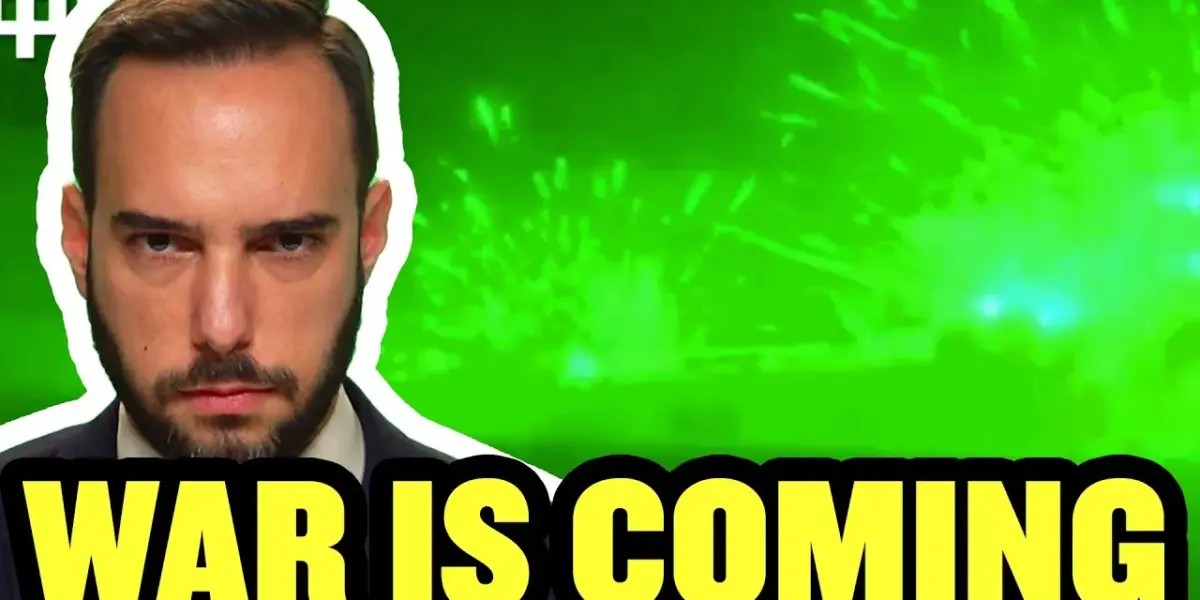
China Funds Anti-War Efforts to Undermine US
China is actively using anti-war messaging to weaken the United States, a strategy that echoes Soviet tactics from the Cold War. This approach aims to discourage US military action and create a perception of American aggression, thereby benefiting authoritarian regimes. The goal is to make the US appear as the aggressor while China can pursue its own expansionist agenda without facing strong opposition.
The Soviet Playbook Revisited
During the Cold War, the Soviet Union poured money into anti-war groups in the US. This was designed to divide Americans and make them less willing to support military interventions. The Soviets wanted to weaken US resolve and prevent it from countering their influence. The video argues that the Chinese Communist Party (CCP) is now using a similar strategy, particularly in response to potential US involvement in conflicts like the one in Iran.
Manipulating Anti-War Sentiment
The transcript highlights that while many Americans are genuinely against war, this sentiment can be exploited. For example, protests against US actions in the Middle East, even those with legitimate concerns about US foreign policy, can be amplified and funded by groups linked to China. These groups push messages that the US should never use its military. This plays directly into Beijing’s hands, as it weakens US global standing and reduces the likelihood of US intervention in areas China considers vital, such as Taiwan.
The Vietnam War: A Cautionary Tale
The video points to the Vietnam War as a prime example of how Soviet-backed anti-war movements influenced US policy. Despite the US winning most major battles, propaganda and anti-war sentiment in Congress led to the withdrawal of support for South Vietnam. This ultimately resulted in the fall of Saigon to North Vietnam. The transcript argues that this outcome, often presented as a reason for US isolationism, actually shows that when the US backs down, authoritarians gain power.
Authoritarianism and Broken Promises
The core argument is that authoritarian governments, like China, do not play by the same rules as democracies. The transcript cites examples like North Korea’s nuclear program, despite US agreements, and Iran’s continued nuclear development despite the Iran deal. China itself promised not to militarize the South China Sea but proceeded to do so. These actions demonstrate that engagement and diplomacy alone are insufficient when dealing with regimes that prioritize their own power and expansion.
China’s Unrestricted Warfare
China views itself as being in a state of conflict with the US, but it engages in what the transcript calls “unrestricted warfare.” This includes not only military support for allies like Russia and Iran but also economic, legal, cyber, and cognitive warfare. The CCP uses fentanyl to fuel drug warfare, causing immense harm within the US. The goal of cognitive warfare is to shape public opinion, making Americans distrust their own government and become less willing to defend their interests or allies.
The Taiwan Threat
The video explicitly warns that the anti-war messaging used regarding Iran is a test for future propaganda concerning Taiwan. As China increases its military pressure on Taiwan, the CCP will likely try to convince Americans that defending Taiwan is not in their national interest. Some isolationist voices in the US already echo this sentiment, suggesting that Taiwan’s fate does not directly impact US security. The transcript counters that a free and independent Taiwan is crucial for global trade and the tech industry, which is vital to American companies.
Strength as the Only Language
Ultimately, the transcript asserts that authoritarian regimes like China understand only strength. They hide behind anti-war protests and use them as a tool in their cognitive warfare. The most effective way to counter this, according to the video, is for the US to prepare for war and project strength. The CCP is seen as the aggressor, and showing resolve is the only way to deter them, much like dealing with any bully.
Call to Action
The video concludes with a plea for viewers to support independent media like “China Uncensored” by subscribing directly to their website, chinaunensored.tv. This is presented as a way to bypass censorship from large tech platforms and ensure that critical information about the CCP’s actions can reach the public.
Source: Just Because You're Anti-War, That Doesn't Mean China Is (YouTube)

Related Articles

Iran Targets US With Cyberattacks, Escalating Digital Warfare
Iran is increasingly using cyberattacks to challenge the U.S., as seen in a recent hack of the FBI director's account. Experts say this is a strategic shift due to Iran's limitations in conventional warfare. The U.S. needs to strengthen its digital defenses, focusing on encryption and cloud computing, rather than solely relying on traditional security measures.


Ukraine Strikes Russian Oil Refinery, Eyes Iran Threat
Ukrainian forces struck a key Russian oil refinery, disrupting Moscow's war capabilities. Meanwhile, Finland's president urged continued U.S. support for Ukraine, as Kyiv shares its air defense expertise globally amid growing geopolitical complexities involving Iran and potential sanctions against Hungary.
Iran’s Missile Threat Reduced by 90%, Analyst Says
An analyst reports that Operation Epic Fury has degraded Iran's missile launchers by 90%, despite challenges in targeting hidden sites. The conflict's duration and media coverage are also discussed, with implications for global energy markets and investor confidence.