China Fights Back: Tariffs Loom Ahead of Trump Visit
China is retaliating against US trade investigations that could lead to higher tariffs. This escalating trade tension occurs just before a planned visit by President Trump. The dispute involves accusations of unfair practices and impacts global supply chains.

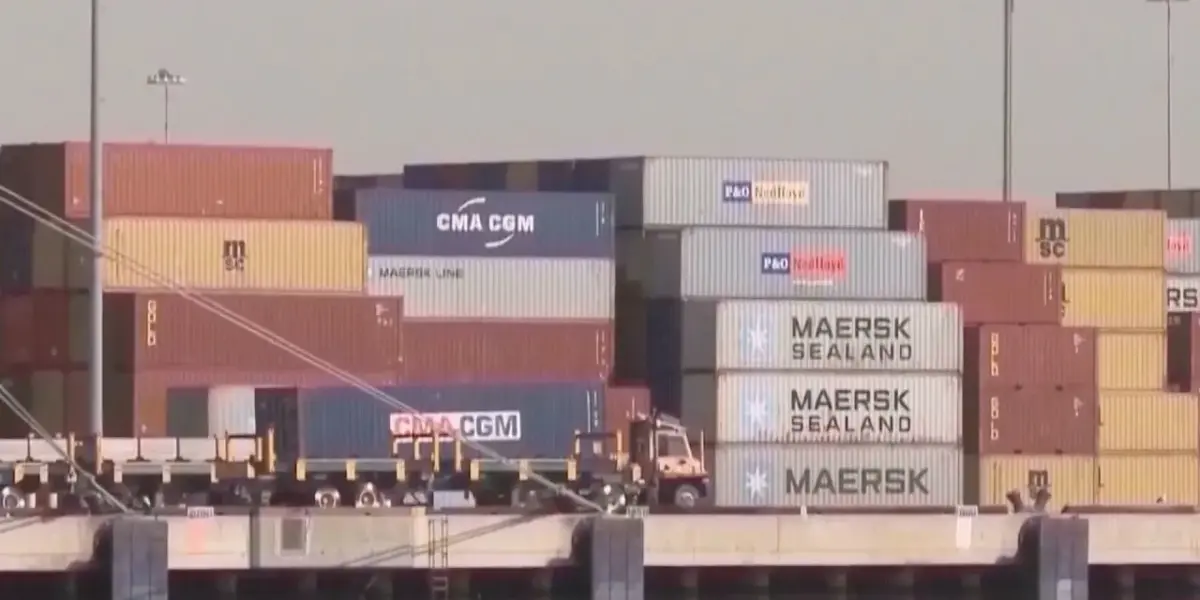
China Strikes Back at US Trade Probes
China is fighting back against the United States over trade issues. This is happening less than two months before President Trump is scheduled to visit Beijing. China’s Commerce Ministry announced on Friday that it has started two investigations into how the US conducts trade. These investigations are aimed at US trade probes that look into unfair trade practices by other countries, including China itself. This move is a direct response to US actions that could result in higher taxes on goods coming from China.
Why These Investigations Matter
The US started its investigations after the Supreme Court made a decision. The court struck down US tariffs that were put in place using a law called the International Emergency Economic Powers Act. If China’s investigation finds that other countries have been involved in unfair trade, the US might start putting certain tariffs back on Chinese goods. China’s Commerce Ministry has stated it strongly disagrees with the US trade investigation. They claim the US is causing problems in global supply chains and putting up barriers for green products.
A Tense Trade Relationship
The US and China have had a trade truce since last fall. The US had lowered some taxes on Chinese products. In return, China agreed to relax its rules on exporting rare earth minerals. China also promised to take stronger action against the making of fentanyl, a powerful drug. However, tensions remain high between the two countries. Earlier this month, the US sent a Navy aircraft through the Taiwan Strait. This is an international waterway that separates Taiwan from mainland China.
Broader Geopolitical Concerns
This action in the Taiwan Strait comes as the US worries about its own weapons supplies. There’s concern that US military actions in the Middle East might use up ammunition. This could leave the US with fewer supplies if China were to invade Taiwan. Taiwan is a major point of disagreement between the two superpowers. It’s just one of many issues causing friction. Other problems include existing tariffs, the fentanyl crisis, China’s exports of rare earth minerals, and China’s purchases of US soybeans.
Why This Matters
This trade back-and-forth shows how fragile the relationship is between the US and China. Even with a trade truce, disputes can quickly escalate. The investigations could lead to more taxes on goods, which would affect businesses and consumers in both countries. It also highlights how trade is often linked to bigger security and political issues. The situation in Taiwan, for example, is directly influencing trade policy. This complex mix of issues means that resolving trade disputes will be difficult.
Trends and Future Outlook
We are seeing a trend where trade is becoming more complicated, tied to national security and international politics. Countries are using trade policies as tools to achieve broader goals. For China, pushing back against US investigations is a way to assert its economic standing. For the US, trade investigations can be a way to pressure other nations on issues ranging from intellectual property to human rights. The future likely holds more of these intertwined trade and political battles. It will be important to watch how both countries manage these challenges, especially with upcoming high-level visits and ongoing global events.
Historical Context
Trade disputes between the US and China are not new. For years, there have been arguments over trade imbalances, intellectual property theft, and market access. The current situation is an evolution of these ongoing tensions. The use of tariffs as a tool has become more common in recent years. This reflects a broader shift in how global powers interact. The International Emergency Economic Powers Act, mentioned in the US investigation, has been used in various contexts to impose economic sanctions or restrictions. The Supreme Court’s decision on its use in this trade case has opened up new avenues for dispute.
Source: China Hits Back at US Over Investigation That Could Trigger Higher Tariffs (YouTube)

Related Articles


Stocks Ignore War Risks, Focus on “Taco Moments”
Stock markets appear to be overlooking the severe supply chain risks stemming from the Iran conflict, focusing instead on potential diplomatic de-escalations. While the S&P 500 shows resilience, bond and commodity markets signal deep concern over disruptions to critical resources like LNG, helium, and fertilizers.

U.S. Iran Tensions Rise Amid Shifting Alliances
Rising tensions between the U.S. and Iran are creating a volatile geopolitical situation. With conflicting signals on de-escalation and potential shifts in alliances like NATO and U.S.-Israel relations, the path forward remains uncertain. The global economy and regional stability hang in the balance.


Iran Targets US With Cyberattacks, Escalating Digital Warfare
Iran is increasingly using cyberattacks to challenge the U.S., as seen in a recent hack of the FBI director's account. Experts say this is a strategic shift due to Iran's limitations in conventional warfare. The U.S. needs to strengthen its digital defenses, focusing on encryption and cloud computing, rather than solely relying on traditional security measures.