China Faces Tough Choice as Iran Demands Military Aid
China is facing a major foreign policy challenge as Iran demands military assistance. Beijing is reportedly disappointed with Iran's treatment of Chinese vessels in the Strait of Hormuz. China must balance its economic interests and global reputation.

China Faces Tough Choice as Iran Demands Military Aid
China is caught in a difficult spot. Iran is asking for military help, but China doesn’t want to give it. This situation is happening near the Strait of Hormuz, a very important place for shipping goods around the world.
Iran’s Demands and China’s Concerns
Sources close to China’s foreign ministry say Beijing is unhappy with Iran. Iran is not treating Chinese ships well in the Strait of Hormuz. China’s Foreign Minister Wang Yi spoke with Iran about this. He asked for Chinese ships to be kept safe.
However, Iran’s response was not what China wanted. Iran said it could only promise safety for Chinese ships carrying goods *to* Iran. It could not promise safety for all Chinese vessels. This information comes from a source who wants to remain anonymous for safety reasons.
The anonymous source believes Iran might be trying to pressure China. Iran may be looking for military support from Beijing. Another source, close to China’s diplomatic circles, added more details. China and Russia have been giving advice to Iran. But Iran is refusing to listen to any diplomatic plans.
A Geopolitical Dilemma
The main thing Iran wants right now is military help. China’s experts say that if China gives military help to Iran, it will hurt China’s reputation. China wants to be seen as a neutral helper in conflicts. Giving military aid would make that impossible.
This puts China in a tough geopolitical spot. The Strait of Hormuz is a vital shipping route. Many countries, especially China, rely on it for trade. If the strait were closed, it would be very bad for Chinese factories and companies that export goods.
Recent Incidents
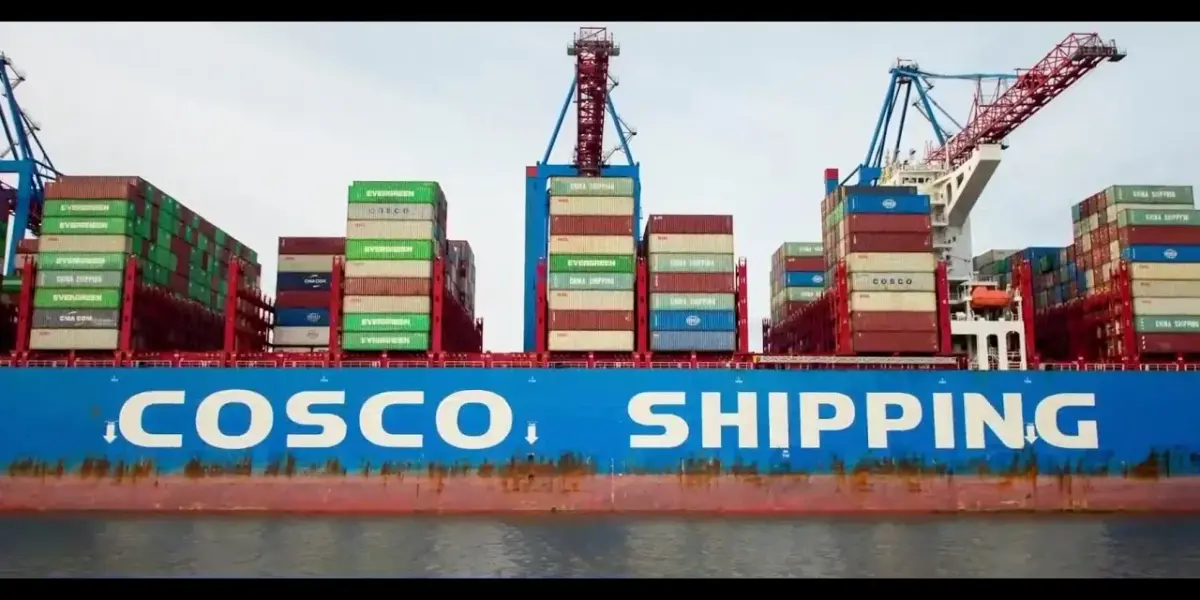
The problem is not just talk. On a recent Friday morning, two ships connected to a Chinese state-owned company called COSCO Shipping were blocked from going through the Strait of Hormuz again. This shows the seriousness of the situation and the ongoing challenges.
Why This Matters
This situation is important for several reasons. First, it highlights the complex relationships China has with other countries, especially in volatile regions like the Middle East. China wants to be a global power, but it has to balance its economic interests with its political goals.
Second, the Strait of Hormuz is crucial for the world economy. About 20% of the world’s oil passes through this narrow waterway. Any disruption there can cause oil prices to jump and hurt businesses everywhere. China, being a major importer of oil, is particularly vulnerable to such disruptions.
Third, Iran’s demands put China in a difficult position regarding its international image. China often promotes itself as a peaceful nation that respects sovereignty. Supporting a country like Iran militarily could contradict this image and lead to criticism from other global powers.
Historical Context and Future Outlook
China has been trying to increase its influence in the Middle East. It has also been trying to position itself as a mediator in international disputes. For example, China helped broker a deal between Iran and Saudi Arabia to restore diplomatic ties. This showed China’s growing diplomatic power.
However, Iran’s current demands go against this approach. Iran’s focus on military aid suggests it feels threatened or is pursuing a more aggressive strategy. This conflicts with China’s goal of maintaining stability and its image as a neutral party.
Looking ahead, China faces a difficult decision. It can either refuse Iran’s military demands and risk damaging its relationship with Tehran, potentially leading to more disruptions in the Strait of Hormuz. Or, it can consider some form of support, which would likely alienate Western countries and harm its global standing.
The situation also shows the limits of China’s influence. While China is a major economic power, it is still learning how to use its diplomatic and political power effectively. Iran’s refusal to accept diplomatic advice suggests that simply offering advice is not enough.
Ultimately, China’s response will likely depend on its strategic priorities. Will it prioritize its economic ties and global image, or will it feel compelled to offer more direct support to a key partner like Iran? The outcome could shape regional stability and China’s role on the world stage for years to come.
Source: China Trapped in Geopolitical Dilemma Amid Iran War: Analyst (YouTube)

Related Articles
Iran Under Fire: Massive Strikes Shake Regime
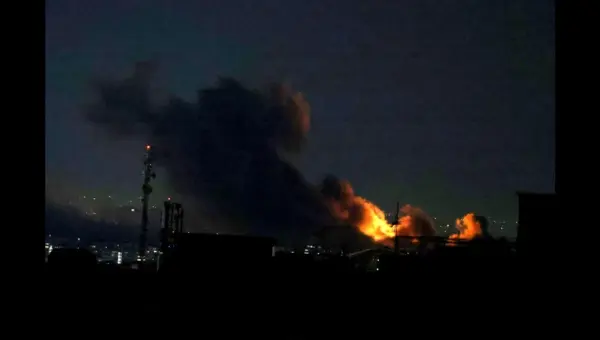
Iran is facing intense military action with Israeli and US forces striking numerous targets. These actions aim to disrupt Iran's nuclear program and military capabilities, while Iran retaliates with missile launches. The conflict is drawing in proxy groups, raising fears of a wider war.

Trump Eyes New Defense Deal Amidst Global Power Plays
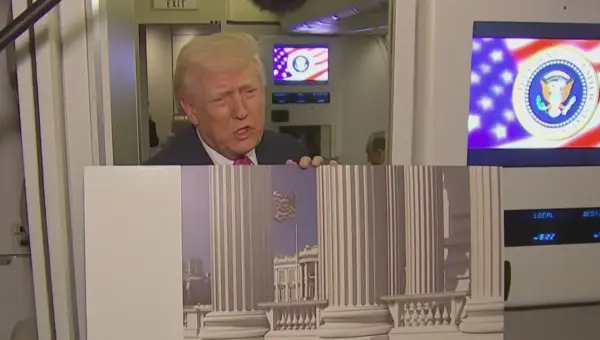
Former President Trump outlined ongoing defense negotiations for military assets and detailed enhanced security for the White House. His remarks touched on foreign policy, election integrity, and national security, suggesting a focus on projecting strength and fortifying defenses amidst global uncertainties.


Trump’s Iran Strategy: A Risky Gamble on Regime Change
President Trump claims significant regime change in Iran has already occurred, but critics argue this shows a misunderstanding of the nation's complex power structure. His strategy of combining strikes with negotiation and a focus on removing nuclear capabilities raises concerns about potential military escalation.