China Faces Iran Crisis: Wake-Up Call or Taiwan Opportunity?
China faces a critical decision point due to the Iran conflict. It could be a warning about global instability or a chance to advance its interests, potentially by targeting Taiwan while U.S. attention is diverted. Recent drone activity over a U.S. nuclear base raises concerns about China's growing boldness.

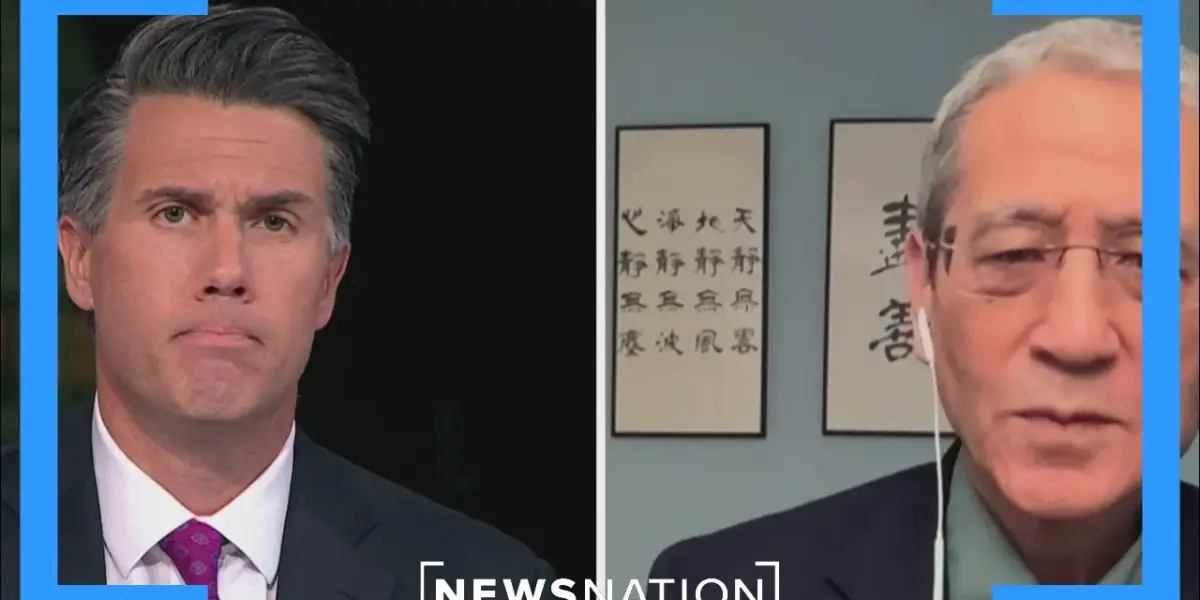
China Weighs Iran Conflict’s Impact on its Strategy
The ongoing conflict in Iran presents China with a critical crossroads. Beijing sees the situation in two very different ways: it could be a wake-up call about global instability, or it could be a once-in-a-lifetime chance to advance its own interests. China relies heavily on Iran for its energy needs, with about 90% of its energy coming from the region. Any disruption to this supply, like what is happening in Iran, creates stress for China’s economy.
At the same time, the conflict could create an opening for China. The United States is currently focused on the Middle East. The USS Tripoli, a U.S. Navy ship, is heading towards the region. This move leaves a gap in the Pacific Ocean. Analysts suggest China might see this as a perfect chance to take control of Taiwan.
China’s Nervousness and Unpredictability
Gordon Chang, a Senior Fellow at the Gatestone Institute and an expert on U.S.-China relations, believes China’s leaders are nervous. This nervousness comes from the fact that they cannot control how the Iran situation plays out. They are essentially bystanders. This lack of control makes them uneasy, especially because they know President Trump is unpredictable.
Chang points out that Trump has been acting against China’s interests around the world. This likely means China does not like what Trump is doing in the Persian Gulf. They also dislike the rising oil prices caused by the conflict. These rising prices hurt China’s economy.
China’s Strategy: Divide and Conquer?
China’s game plan, according to analysts, might involve interfering in U.S. elections. This is something they have allegedly done before. Another strategy is to stir up trouble within the American public. China believes that by dividing the U.S., they can weaken it. They have had some success with this approach.
However, as time goes on, more and more people in the U.S. are starting to see China as a problem rather than a solution. This means that even if China manages to divide the American public, they might be losing the battle for public opinion in the United States. Confronting China is one of the few issues that many Republicans and Democrats can agree on.
Drones Over Barksdale: A Sign of Brazenness?
A recent event highlights concerns about China’s boldness. ABC News confirmed that groups of about 10 to 12 drones were seen flying over Barksdale Air Force Base in Louisiana. This base is home to B-52 bombers and a significant portion of America’s nuclear weapons. The drones had characteristics that made them hard to track and jam, suggesting they were not ordinary hobbyist aircraft.
Analysts suspect these drones were Chinese. This suspicion is fueled by the fact that a Chinese company with ties to the Communist Party owns property on both sides of Barksdale Air Force Base. This base is crucial because it controls two of the three parts of America’s nuclear deterrent. The fact that China might be conducting such operations over a critical U.S. military installation at this time shows a high level of boldness.
Are China’s Actions Deterred?
Gordon Chang expresses serious concern that China may not be deterred by current U.S. actions. He suggests that when there is instability within China’s Communist Party, normal checks and balances might not prevent the leadership from taking extreme actions. While an invasion of Taiwan’s main island might not be imminent, China could undertake dangerous actions elsewhere.
For example, China could create serious trouble in the South China Sea. The drone incident over Barksdale raises fears that China might be testing U.S. defenses and showing a willingness to take significant risks. This behavior suggests a potential shift in China’s approach, moving towards more aggressive actions when they perceive U.S. focus is elsewhere.
Global Impact: Shifting Power Dynamics
The complex interplay between the Iran conflict, China’s strategic calculations, and U.S. military deployments creates a volatile global environment. China’s dual view of the Iran crisis—as both a threat to its energy supply and a potential opportunity for geopolitical gain—underscores its challenging position. The U.S. focus on the Middle East, while necessary, creates perceived vulnerabilities elsewhere, particularly in the Pacific.
Historical Context and Economic Levers
Historically, major global conflicts have often led to shifts in power and new alliances. The current situation echoes past instances where regional instability has been exploited by rising powers. China’s economic leverage is significant; its heavy reliance on energy imports makes it vulnerable to supply disruptions. Conversely, its massive manufacturing capacity and trade relationships give it considerable influence.
The U.S. uses economic tools like sanctions, while China often employs trade dependencies and resource control. The potential for China to use the current global distractions to advance its territorial claims, such as in the South China Sea or concerning Taiwan, remains a key concern for regional stability.
Future Scenarios
Several future scenarios are possible. China might prioritize stability and seek to de-escalate tensions, focusing on securing its energy supplies. Alternatively, Beijing could see the current global focus on the Middle East as an opportune moment to assert itself more forcefully in the Indo-Pacific, potentially leading to increased tensions with the U.S. and its allies. A third scenario involves China attempting to exploit divisions within the U.S. through information warfare and political interference, aiming to weaken U.S. resolve without direct military confrontation.
The drone incident over Barksdale suggests that China may be becoming less cautious. The coming months will reveal whether the Iran conflict serves as a sobering lesson for China or a catalyst for more aggressive actions on the global stage.
Source: Is Iran a wake-up call for China? Analyst Gordon Chang discusses | On Balance (YouTube)

Related Articles

G7 Allies Clash Over Iran War Strategy, Urge Focus on Russia
G7 foreign ministers met in Paris, revealing deep divisions over the U.S. war with Iran. European allies urged the U.S. to pressure Russia, linking its actions to the conflict and fearing support for Ukraine will wane.


US Must Block China’s Tech Access for Security
US national security experts are raising alarms about China's access to advanced AI chips, arguing it threatens strategic advantages. This, coupled with charges against Chinese entities for fentanyl precursor sales and a ban on foreign routers, signals a growing effort to prioritize security over business ties.
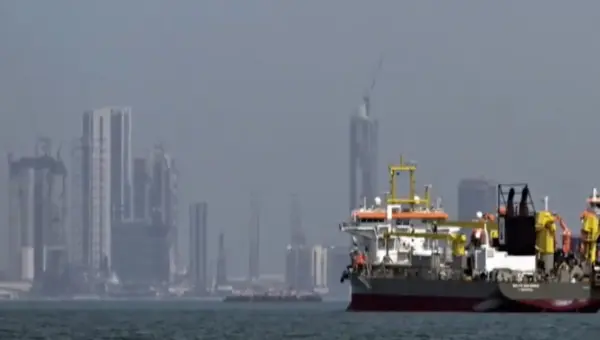
Iran Blocks China Ships, Exposing Beijing’s Weak Grip
Iran's recent decision to block Chinese ships at the Strait of Hormuz is exposing the limits of Beijing's influence in the Middle East. This action is causing delays and cancellations for Chinese manufacturers, turning a perceived geopolitical win into an economic strain.