China Faces Global Backlash Amid Shifting Alliances and Security Concerns
Global tensions are rising as the US and its allies confront China on multiple fronts. Developments include a deepening Chagos Islands dispute, a major cyberattack on Italian security forces, and US states suing e-commerce app Temu over privacy concerns. Japan is also stepping in to combat illegal Chinese fishing in South America.

US and Allies Confront China on Multiple Fronts
In a week marked by escalating geopolitical tensions, the United States and its allies are increasingly pushing back against the influence and actions of the Chinese Communist Party (CCP). From diplomatic disputes over strategic islands to uncovering massive data breaches and confronting economic maneuvers, a concerted effort appears to be underway to curb Beijing’s global reach. Key developments include a deepening crisis over the Chagos Islands, significant cyber espionage targeting Italian security forces, and Japan’s initiative to protect South American fisheries from Chinese overfishing.
Chagos Islands Dispute Intensifies: UK, US, and China at Odds
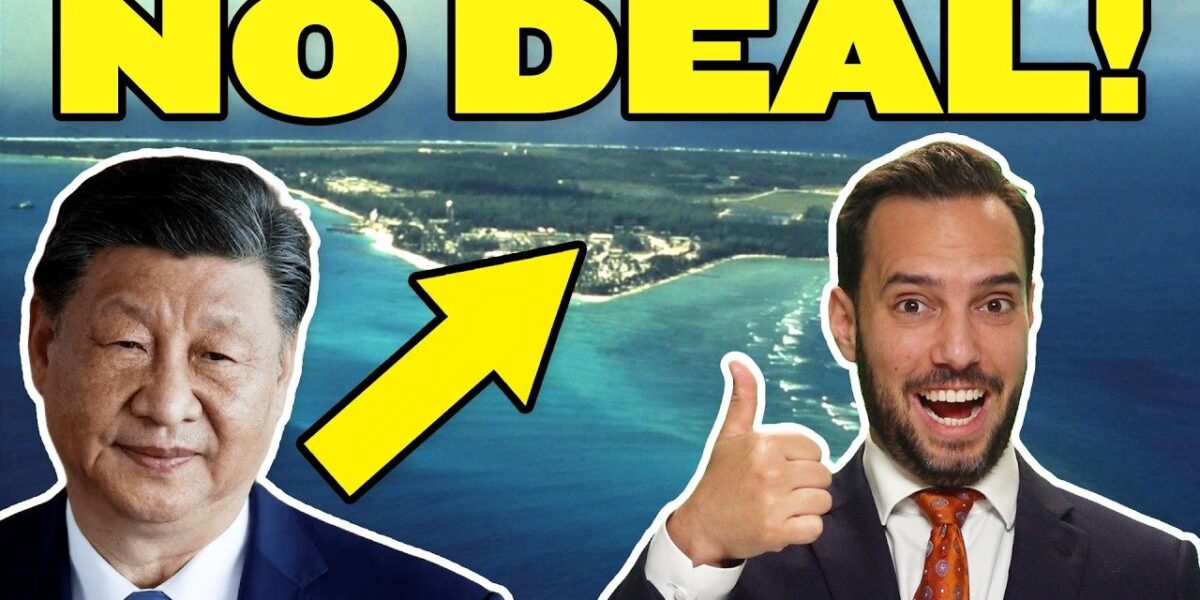
The long-standing dispute over the Chagos Islands in the Indian Ocean has taken a critical turn, with potential ramifications for US military operations and UK foreign policy. The British government, under Prime Minister Keir Starmer, has faced intense pressure from the United States, particularly from former President Trump, regarding its plan to cede the territory to Mauritius. This move is complicated by reports that Mauritius is considering leasing an island near the crucial US-UK joint military base on Diego Garcia to China.
Former British Prime Ministers Liz Truss and Boris Johnson are reportedly lobbying the White House to halt the deal. A significant point of contention is a clause requiring the UK to inform Mauritius of any armed attacks originating from the base. Given Mauritius’s ties to China, and China’s alliance with Iran, this raises serious security concerns for the US, potentially compromising its ability to conduct operations in the Middle East. The US has responded by postponing a delegation visit to Mauritius and increasing the deployment of jets to Diego Garcia.
Adding to the diplomatic embarrassment for the UK, a British judge has blocked the eviction of Chagossian islanders who returned to protest the deal and assert their right of return. One prominent protester, Misley Mandarin, declared their sovereignty, stating, “We the people of the Chagos Islands give our blessing for the United States to use the base at Diego Garcia for strikes against the Iranian regime in defense of the Iranian people. This is our sovereign decision.”
Furthermore, the UK’s Defense Secretary, John Healey, is accused of misleading Parliament regarding the legal basis for handing over the islands. The government has admitted that an exemption in UN maritime laws concerning military bases exists, undermining the legal case for the transfer and suggesting the UK government may have misrepresented the situation to expedite the deal. The situation appears to benefit China, with hopes mounting that the US or a change of heart in London will prevent further international isolation for the UK.
Massive Chinese Cyberattack Exposes Italian Counterterrorism Data
In a stark reminder of the pervasive threat of cyber espionage, it has been revealed that Chinese hackers have compromised the data of approximately 5,000 Italian counterterrorism officers. The breach, which reportedly occurred between 2024 and 2025, exposed sensitive information including the officers’ names, roles, and postings. Alarmingly, many of the targeted officers were involved in monitoring dissidents who had fled China.
This incident directly contradicts agreements made between Italy and China two years prior to cooperate on issues including cybersecurity. The revelation has prompted concerns within Italy about the extent of the CCP’s knowledge of its investigative structures and may necessitate a complete overhaul of its cybersecurity infrastructure and a reevaluation of law enforcement collaborations with China. The breach also raises broader security concerns for Europe, highlighting the vulnerability of Western nations to state-sponsored cyberattacks.
Texas Leads US States in Suing Chinese E-commerce Giant Temu Over Privacy
Several US states, led by Texas, have launched legal action against the popular Chinese online retailer Temu, citing serious privacy concerns and accusing the app of being disguised spyware. The lawsuit filed by Texas Attorney General Ken Paxton alleges that Temu violates the state’s deceptive trade practices act by employing software functions that can access users’ locations and phone storage, effectively turning shoppers into the product. Texas is seeking over $1 million in damages and an injunction against the app.
This legal challenge is not isolated, with similar lawsuits being filed in Arizona, Nebraska, Arkansas, and Kentucky. The rapid growth and widespread adoption of Temu in the US, despite these allegations, underscore the significant data trove that could potentially be accessed by the CCP. This trend mirrors concerns about Chinese technology platforms and their potential for data harvesting.
Former US Air Force Pilot Arrested for Alleged Training of Chinese Military
A significant national security breach has come to light with the arrest of a former US Air Force pilot, Gerald Eddie Brown Jr., for allegedly providing defense services to the Chinese military without authorization. Brown, a highly experienced pilot with knowledge of advanced aircraft like the F-35, is accused of violating the Arms Export Control Act.
According to the criminal complaint, since at least August 2023, Brown has been in contact with Steven Sububin, a Chinese national previously convicted for conspiring to steal sensitive US military data for the CCP. Brown reportedly traveled to China in December 2023 to brief the Chinese Air Force on his service with the US military. The Assistant Attorney General for National Security emphasized the gravity of the charges, stating, “The United States Air Force trained Major Brown to be an elite fighter pilot and entrusted him with the defense of our nation. He now stands charged with training Chinese military pilots.” Brown has had his initial court hearing, with the case expected to proceed.
Shifting Trade Dynamics: US Imports More from Taiwan Than China
In a landmark shift, the United States is now importing more goods directly from Taiwan than from mainland China for the first time in 34 years. This development is largely attributed to the ongoing trade war and a strategic effort to reduce reliance on Chinese manufacturing. US imports from China now represent only about 9% of its total goods imports.
Concurrently, Taiwan’s ruling and opposition parties have reached an agreement to advance President William Lai’s significant $40 billion special defense budget. This move is crucial for facilitating the delivery of a substantial US military package, including advanced weapon systems, to Taiwan, further bolstering its defenses against potential aggression from Beijing.
China Allegedly Bypasses Sanctions by Supplying Drones to Russia via Thailand
Despite international sanctions, China is reportedly continuing to supply Russia with military hardware, circumventing restrictions through a new route via Thailand. Last year, Russia imported $125 million worth of drones from Thailand, with China exporting $186 million worth of drones to the country. Notably, 88% of Thailand’s total drone exports in the previous year were destined for Russia, a substantial increase from previous years.
While these are officially classified as civilian drones, their potential for military use is widely acknowledged, especially when equipped with explosives. This alleged circumvention highlights China’s continued support for Russia’s invasion of Ukraine, undermining international efforts to isolate Moscow.
Japan Steps Up to Combat Illegal Chinese Fishing in South America
Japan has announced a new initiative to assist South American countries in combating illegal Chinese fishing operations. Tokyo plans to deploy surveillance drones to Ecuador, Peru, Argentina, and Uruguay to monitor vessels within their exclusive economic zones. This move comes as illegal fishing by Chinese fleets has severely impacted the fisheries of nations like Argentina and Peru, threatening their economies and food security.
This proactive stance by Japan, a country with its own ongoing territorial disputes with China, signals a growing regional concern over Beijing’s maritime activities and resource exploitation.
China’s Provocations Continue in the South China Sea
Tensions in the South China Sea remain high, with Chinese vessels continuing their assertive actions. During a visit to the disputed island of Thitu, Philippine officials received a message on their phones stating, “Welcome to China.” This incident, involving Senator Risa Hontiveros and Coast Guard spokesman Jay Tarriela, underscores China’s persistent attempts to assert its territorial claims through both direct actions and digital provocations. While less confrontational than previous tactics like water cannon use, the message was met with strong disapproval by the Philippine delegation.
Looking Ahead: A United Front Against CCP Influence?
The convergence of these events—from strategic island disputes and cyber warfare to economic pressures and security alliances—suggests a significant recalibration of global dynamics in relation to China. The coming months will be crucial in determining whether the US and its allies can maintain this united front, effectively counter Beijing’s expanding influence, and address the multifaceted threats posed by the Chinese Communist Party. The outcomes of these diplomatic and security challenges will shape international relations for years to come.
Source: China Lost BIG TIME. US Troops Are Massing. (YouTube)

Related Articles


Trump: Iran Strikes Ahead of Schedule, Expects ‘Great Deal for World’
Three U.S. service members have been killed amid escalating conflict with Iran, President Trump confirmed. He stated that strikes are ahead of schedule, with senior Iranian leaders killed, and expressed optimism for a "great deal for the world" despite ongoing talks with Iranian officials.


Trump’s Putin Stance: US Strategy and Global Implications
Analysis suggests Donald Trump's approach to the Ukraine war involves pressuring Kyiv, but US involvement is crucial for resolution. China's influence and the 'MAGA' agenda's geopolitical implications are key factors.


US Strikes Iran: Mounk and Fukuyama Discuss Unpredictable Conflict
Leading political scientists Yascha Mounk and Francis Fukuyama analyze the recent US strikes on Iran, warning of unpredictable outcomes and internal instability. They question the objectives of the "war of choice" and its potential to destabilize the region, while also discussing the shifting global perceptions of Israel.