China Faces Crisis If It Armors Iran, Warns Trump
The US and Iran held historic direct talks in Pakistan, aiming for peace after a ceasefire deal. President Trump warned China against arming Iran, stating it would lead to 'big problems.' This geopolitical standoff highlights rising US-China tensions and the volatile situation in the Middle East.

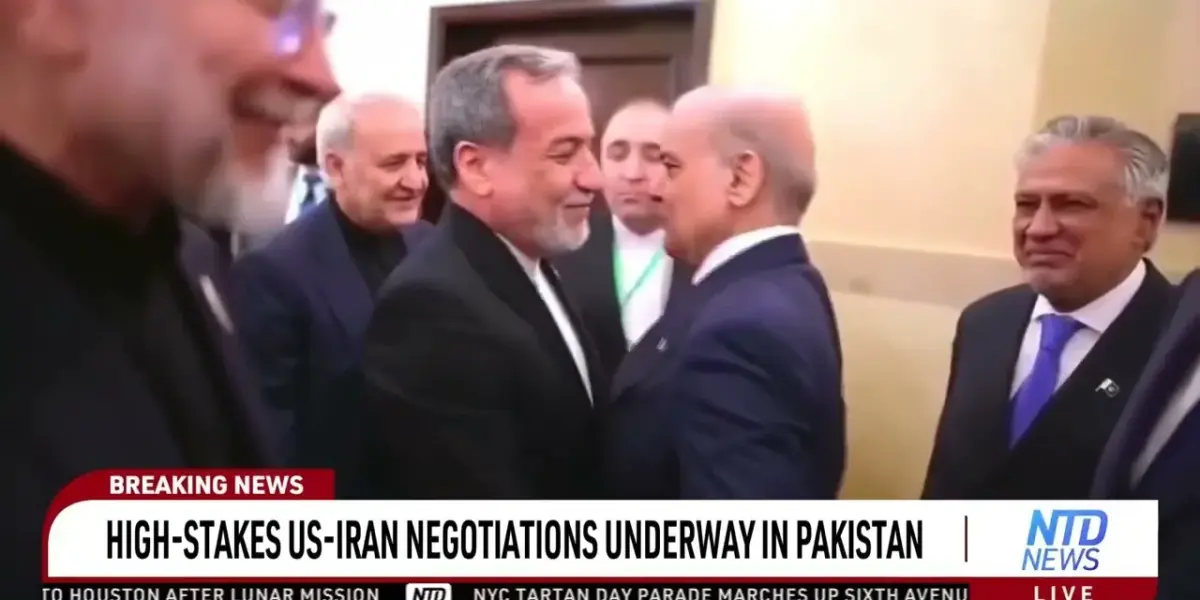
China Faces Crisis If It Armors Iran, Warns Trump
Recent meetings between US and Iranian officials in Pakistan signal a significant shift in international diplomacy. A US delegation, including Vice President J. D. Vance, special envoy Steve Witoff, and Jared Kushner, met directly with Iranian leaders. This marks the first face-to-face discussion between the two nations in over a decade. Pakistan acted as the mediator for these high-stakes talks.
These diplomatic efforts follow a recent two-week ceasefire deal between the US and Iran. President Trump commented on the situation, stating that regardless of the outcome, America emerges victorious. He explained that the US is now able to load oil and gas onto large tankers, a positive development for the country. This suggests a potential easing of energy-related tensions or a change in how resources are managed.
Iran’s Negotiating Stance
President Trump also voiced his opinion on Iran’s position in the negotiations. He asserted that the Iranian regime holds no strong cards in these discussions. This perspective implies a belief that Iran’s leverage is minimal, possibly due to internal or external pressures. The success of the talks, therefore, might lean heavily on the US’s diplomatic and economic standing.
The China-Iran Arms Deal Threat
A major point of concern raised was the potential for China to supply weapons to Iran. President Trump issued a strong warning, stating that China would face severe consequences if it proceeded with such actions. He declared that if China arms Iran, it will encounter “big problems.” This statement highlights a critical geopolitical red line drawn by the US, aiming to prevent further escalation and destabilization in the Middle East.
Why This Matters
The prospect of China arming Iran carries significant implications for global stability. Iran’s history of supporting regional proxies and its nuclear program already create a volatile situation. If Iran were to acquire advanced weaponry from China, it could drastically alter the military balance in the Middle East. This would not only increase the risk of direct conflict but also empower groups that destabilize the region.
For the United States, such a move by China would be seen as a direct challenge to its influence and security interests. It would also complicate efforts to de-escalate tensions with Iran and pursue diplomatic solutions. The warning from President Trump suggests a willingness to impose strong measures, potentially including economic sanctions or other forms of pressure, on China.
Historical Context
US-Iran relations have been fraught with tension for decades, marked by events like the 1979 hostage crisis and subsequent sanctions. Direct diplomatic engagement, like the recent meetings, is therefore a rare and notable occurrence. China’s growing global economic and military power also plays a crucial role here. Its increasing assertiveness on the world stage, including its expanding ties with countries like Iran, is a developing trend that US foreign policy must address.
Future Outlook
The situation hinges on several key factors. Firstly, the success or failure of the current US-Iran diplomatic talks will shape immediate future interactions. Secondly, China’s decision regarding any potential arms shipments to Iran will determine the level of confrontation with the US. If China chooses to arm Iran, we could see a significant increase in geopolitical friction between the two superpowers. This could lead to renewed international pressure on Iran and potentially more aggressive stances from all parties involved.
The broader trend involves a rebalancing of global power. As China continues its rise, its willingness to challenge established international norms and US dominance will likely increase. This dynamic plays out in various regions, with the Middle East being a particularly sensitive flashpoint. The US response to such challenges will be critical in defining the future of international relations and security architecture.
Source: Trump: China Will Face ‘Big Problems’ If It Arms Iran (YouTube)

Related Articles
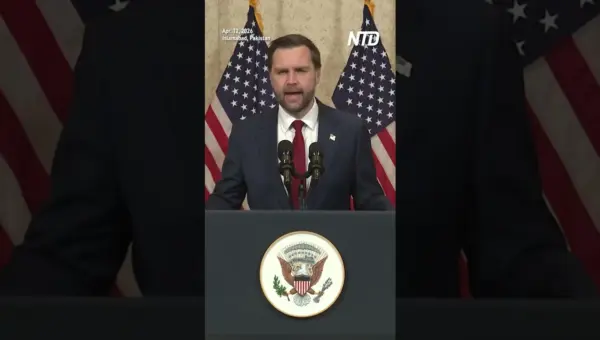
Iran Nuclear Deal Collapses: US Demands Unmet
Intense negotiations to revive Iran's nuclear deal have failed, with the U.S. stating Iran did not accept key terms. The core issue remains Iran's commitment to not pursuing nuclear weapons. The breakdown raises concerns for global security and regional stability.


Putin’s Ceasefire Gambit: A Bid for Control
Putin's Easter ceasefire proposal is seen as a bid to regain control of the war narrative amidst battlefield stagnation. Concerns rise over potential U.S. pressure on Ukraine for concessions, while NATO's future and Ukraine's security outlook remain uncertain.

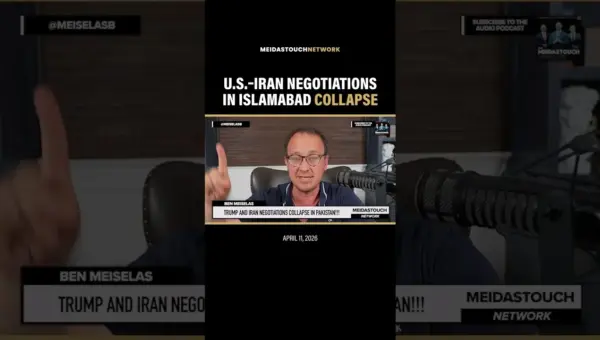
US-Iran Talks Collapse: War Looms After Summit Fails
US-Iran peace talks in Islamabad have collapsed after the Trump administration reportedly tried to change the negotiating framework. Senator JD Vance announced the breakdown, stating Iran refused U.S. demands, signaling a likely return to conflict. The failure occurred while President Trump attended a UFC match.