China Exploits US Weakness, Risks Global Conflict
China is strategically exploiting international trade routes like the Strait of Hormuz and U.S. immigration laws, raising alarms for American interests. Beijing's diplomatic moves and assertive actions in the Taiwan Strait signal a broader agenda that could destabilize global markets and security.

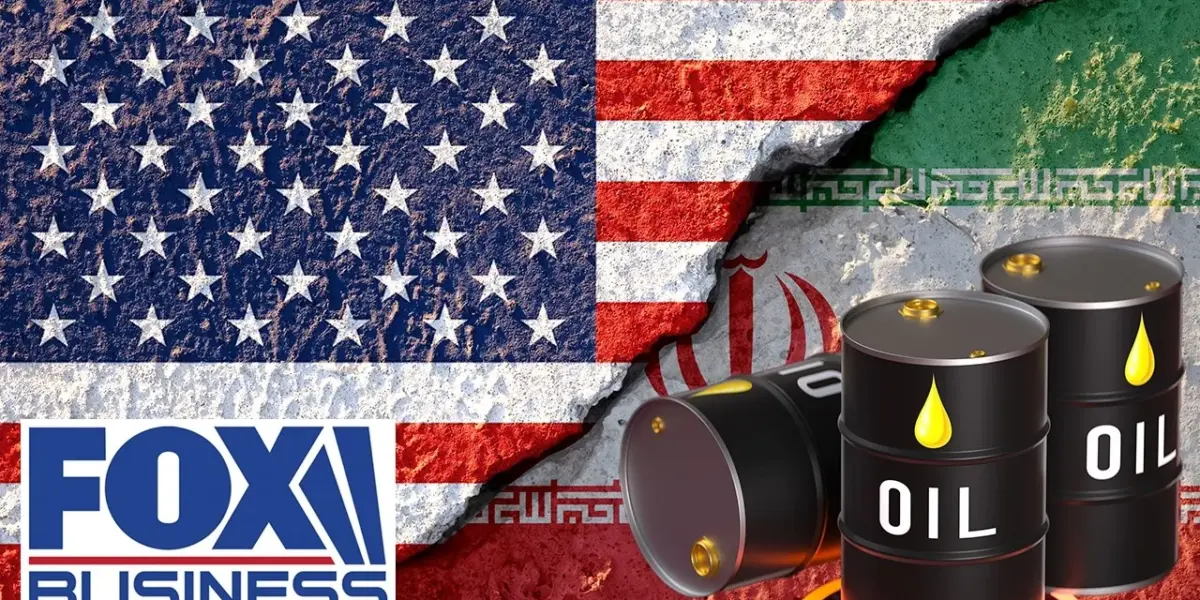
China’s Global Gambit: From Strait Control to Birthright Exploitation
As geopolitical tensions simmer, China is strategically positioning itself to exploit perceived weaknesses in U.S. foreign policy and international trade. From controlling vital shipping lanes to leveraging U.S. immigration laws, Beijing’s actions raise significant concerns for American interests and global stability. These moves suggest a calculated strategy to expand influence while undermining U.S. standing.
Strait of Hormuz: A Chokehold on Trade
The Strait of Hormuz, a critical chokepoint for global oil shipments, has become a flashpoint. While the United States imports minimal oil through this waterway, many other nations rely heavily on it. Iran has been charging fees for passage, a move that directly benefits Tehran and allows it to finance its activities. Notably, Chinese ships have been allowed safe passage, while American vessels face challenges.
This situation presents a significant disadvantage for the U.S. “At this point our ships are not getting through and this is not a good situation for the United States because among other things we are allowing Iran to finance its attacks on us,” stated one analyst. The U.S. is not incentivizing cooperation, as China benefits from unimpeded passage while other nations, including the U.S., do not.
China’s Diplomatic Maneuvers: Peacemaker or Power Player?
Amidst regional conflicts, China has presented itself as a peacemaker, notably through a joint five-point initiative with Pakistan aimed at restoring stability in the Middle East. However, this diplomatic push has been met with skepticism. The proposed cease-fire plan, for instance, could inadvertently benefit Iran’s nuclear ambitions, directly contradicting U.S. strategic goals and undermining President Trump’s rationale for potential military action.
“I suspect it will not go forward. Some people say it will, I don’t believe it’s in the interest of the United States or the international community. Certainly in the interest of China but not in ours,” remarked one observer. This suggests China’s diplomatic efforts may serve its own geopolitical interests rather than fostering genuine global peace.
Taiwan Strait: A Brewing Storm
The potential for conflict extends to the Taiwan Strait, where China’s assertive actions are a growing concern. Beijing is reportedly building a massive base in the South China Sea, which could house missile facilities. This territorial expansionism is accompanied by belligerent Chinese activity against the Philippines, including at Scarborough Shoal and Thitu Island. These incidents carry a high risk of escalating into wider conflict, potentially drawing the U.S. in due to its mutual defense treaty with the Philippines.
Furthermore, China appears to be employing a strategy to influence Taiwan’s political landscape. The invitation of Taiwan’s opposition leader from the KMT party to Beijing is seen as an attempt to amplify China’s propaganda. The KMT’s historical opposition to enhanced defense funding in Taiwan’s legislature is viewed as hindering the island’s ability to defend itself, creating a precarious situation for Taiwan’s security.
Birthright Citizenship: A Loophole Exploited
Perhaps one of the most concerning exploitations by China involves U.S. birthright citizenship laws. Reports indicate that a significant percentage of international surrogate parents are Chinese. One individual allegedly has fathered up to 100 U.S.-born children through surrogacy. This practice allows Chinese nationals to have children on U.S. soil, who then become U.S. citizens and can potentially return to China to be raised.
The implications are vast. These U.S.-born children, upon turning 18, could return to the U.S. with full citizenship rights, including the ability to vote and donate to political campaigns. “The Chinese government believes that every year for the past 13 years roughly 100,000 Chinese babies have been born in the United States and taken back to China, raised in China. When they turn 18 they’re to be U.S. citizens they can vote and donate to political campaigns,” highlighted one expert. This represents a potential influx of over a million future voters, a number that could significantly influence U.S. elections, especially considering the narrow margins in past presidential races.
This exploitation is facilitated by the Visa Waiver Program, which Congress has repeatedly failed to close despite knowing the extent of the issue. “This is on us. We know what’s going on. Congress has absolutely refused to close the Visa Waiver Program. We can do that immediately,” an analyst urged. This inaction allows China to benefit from a U.S. policy, raising serious national security questions about individuals who could potentially work in sensitive sectors, including the military, after being raised in China.
Market Impact and Investor Outlook
The geopolitical maneuvering and exploitation of policy by China create a complex and uncertain environment for investors. Fluctuations in the Strait of Hormuz could impact global energy prices, affecting transportation and manufacturing costs worldwide. Instability in the South China Sea and around Taiwan poses risks to global supply chains, particularly for technology and manufacturing sectors heavily reliant on the region.
The exploitation of birthright citizenship, while a long-term demographic and political issue, highlights a broader theme of China’s strategic approach to gaining influence. Investors should monitor developments in international relations, trade policies, and national security discussions. The potential for increased geopolitical friction could lead to market volatility, impacting sectors differently. Companies with significant exposure to East Asian trade routes or those reliant on global energy stability may face increased risks.
Conversely, companies focused on domestic markets or those providing solutions for enhanced national security and supply chain resilience might present opportunities. The overarching narrative is one of increasing strategic competition, where understanding these geopolitical dynamics is crucial for navigating the investment landscape.
Source: 'NOT A GOOD SITUATION': Chang warns of MASSIVE US disadvantage in strait (YouTube)

Related Articles

US Pilot Feared Lost in Iran; Search Underway
The U.S. military is conducting a search operation inside Iran for an American pilot whose fighter jet may have been downed. Details are limited, with uncertainty over whether the plane was shot down or suffered mechanical failure. The operation highlights the complexities of rescue missions in hostile territory and occurs amid heightened regional tensions.


US Policy Shift Stuns Allies, Weakens Global Security
US policy shifts regarding Ukraine, the Strait of Hormuz, and NATO are raising concerns among allies and creating global instability. Critics point to a lack of strategic planning and diplomatic consultation, potentially emboldening adversaries and undermining international security.


Strait of Hormuz Tensions Risk Wider Middle East War
Efforts to secure the vital Strait of Hormuz risk triggering a wider Middle East war, according to UN warnings and security analysts. The narrow waterway is crucial for global trade, and forcing it open against Iran's objections could escalate regional tensions dramatically. Experts highlight the complex geography, Iran's remaining military capabilities, and the involvement of regional players as key factors in the volatile situation.