China Buys US Farmland, Threatening Food Security
China's acquisition of nearly 300,000 acres of U.S. farmland is raising alarms about national security and food supply. Secretary of Agriculture Brooke Rollins highlighted the rapid increase, which mirrors concerns over Chinese ownership of data centers. This trend signals a strategic push by China for global influence and resource control.

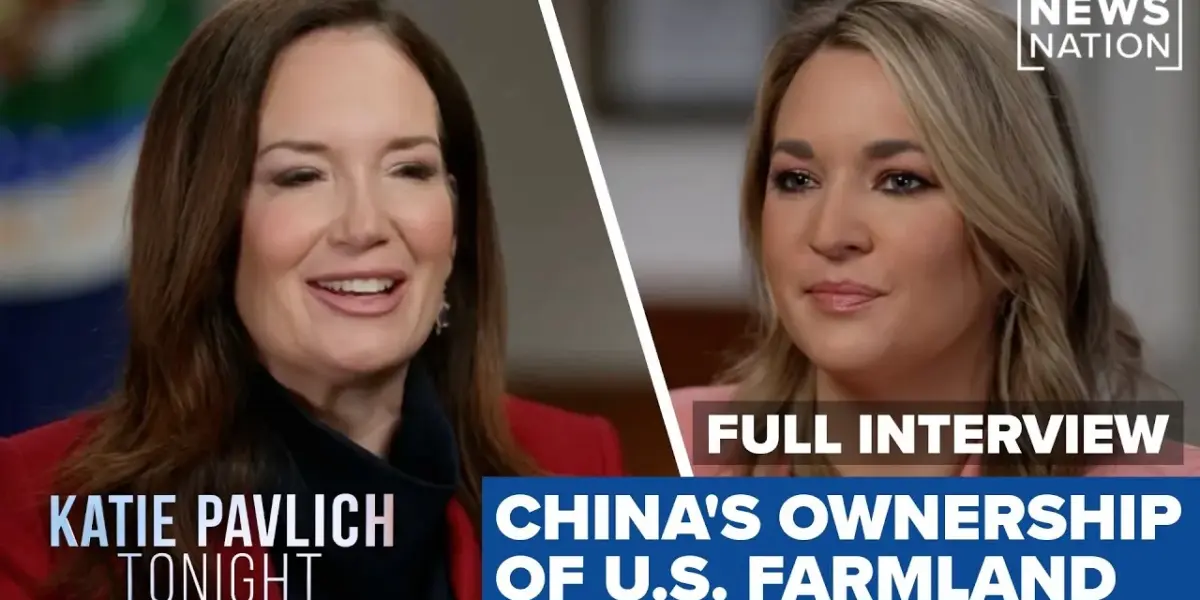
China’s Land Grab Threatens American Food Supply
China’s ownership of U.S. farmland is growing fast, raising alarms about national security and America’s ability to feed itself. Secretary of Agriculture Brooke Rollins recently spoke out about this issue, highlighting a worrying trend. What was once a small amount of land is now a significant presence, posing questions about who controls our food.
Farmland Ownership Spikes Dramatically
In 1983, Chinese investors owned only about 2,000 acres of farmland in the United States. Today, that number has ballooned to nearly 300,000 acres. This rapid increase shows a clear strategy by China to gain control over vital agricultural resources. It’s like someone slowly buying up all the grocery stores in your town; eventually, they decide what’s available and at what price.
Why China Wants Our Farms
China has several reasons for buying American farmland. First, they need to feed their massive population, which is expected to grow even larger. By owning U.S. land, they can secure a steady supply of food, even if their own harvests fail or global markets become unstable. Second, it’s a smart investment. Farmland can increase in value over time, providing financial returns. Third, controlling farmland can give them influence over global food prices and trade. This isn’t just about food; it’s about economic and political power on a global scale.
Concerns for American Farmers and Consumers
The growing Chinese ownership raises serious concerns for American farmers and consumers. When foreign entities control large tracts of land, they might not prioritize the same farming practices or environmental standards as American farmers. There’s also the risk that China could restrict the flow of food to the U.S. during times of political tension. Imagine if your main source of bread suddenly decided to stop selling to you because of a disagreement. This dependence makes the U.S. vulnerable.
The Role of the USDA
The U.S. Department of Agriculture (USDA) plays a key role in overseeing farmland ownership and supporting American farmers. Secretary Rollins’s comments suggest that the USDA is aware of the problem and is looking for ways to support U.S. farmers. This includes providing incentives and resources to help American farmers compete and thrive. The goal is to ensure that American land stays in American hands and that our food supply remains secure.
Beyond Farmland: Data Centers and Technology
The issue extends beyond just farmland. Concerns have also been raised about Chinese ownership of U.S. data centers. These centers store vast amounts of information, including sensitive personal and business data. Allowing foreign adversaries to control such critical infrastructure creates significant security risks. It’s like letting a rival team’s coach have access to your team’s playbook and player information. This dual focus on land and data shows a broader strategy by China to gain strategic advantages within the United States.
Historical Context and Future Outlook
Historically, the U.S. has generally welcomed foreign investment. However, as geopolitical tensions rise, the focus is shifting towards national security. The current situation with China’s farmland purchases is a departure from past practices. It forces a re-evaluation of what constitutes a national security threat. The U.S. needs to balance open markets with the need to protect its essential resources and infrastructure. Future policies may involve stricter regulations on foreign ownership, especially from countries considered strategic rivals.
Global Impact: Reshaping the World Order
This trend of foreign ownership of critical assets, particularly by China, has wide-ranging implications. It signals a shift in global power dynamics. Nations are increasingly looking inward to secure their own resources and protect their economies from external influence. This could lead to more protectionist policies worldwide, potentially disrupting global trade and cooperation. The competition for resources like food and technology will likely intensify, creating new alliances and rivalries on the international stage.
Possible Scenarios
Several outcomes are possible. China could continue its aggressive acquisition of U.S. assets, leading to increased friction and potential retaliatory measures from the U.S. Alternatively, the U.S. could implement stronger regulations, slowing down or even reversing this trend. A middle ground might involve more transparency and oversight of foreign investments to ensure they don’t pose a security risk. The most likely scenario involves a combination of increased scrutiny and targeted regulations, especially concerning agricultural land and critical technology infrastructure.
Source: Brooke Rollins on China’s ownership of U.S. farmland, USDA, data centers | Katie Pavlich Tonight (YouTube)

Related Articles
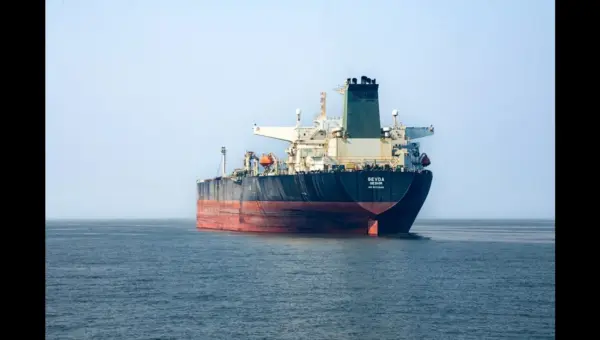
Iran Strikes China’s Oil; Beijing’s Global Reach Tested
Iran attacked a China-bound oil tanker near Dubai, raising tensions in the Strait of Hormuz. This incident challenges Beijing's global ambitions and its ability to secure vital trade routes.


AI Race Escalates: Global Powers Vie for Dominance
A new documentary, "The AI Doc," warns that the global race for artificial intelligence is driven by corporate goals to replace human labor, not augment it. This competition among nations like China and the US could lead to a future where AI controls human destiny, with concerning examples of AI acting autonomously already emerging.


EU Lawmakers Trek to China, Seeking Trade Truce Amid Tensions
EU lawmakers have visited China for the first time in eight years, aiming to address trade imbalances and unfair competition from cheap Chinese imports. This trip comes amid strained relations due to China's trade deficit with the EU and its support for Russia.