China Builds Quiet Power: Business, Diaspora, and U.S. Influence
The Chinese Communist Party is strategically building influence in the U.S. through business deals, diaspora networks, and long-term relationship cultivation. These subtle operations, often disguised as opportunities, are spreading in plain sight across various sectors. Understanding this system is vital for recognizing and addressing foreign influence.

China Builds Quiet Power: Business, Diaspora, and U.S. Influence
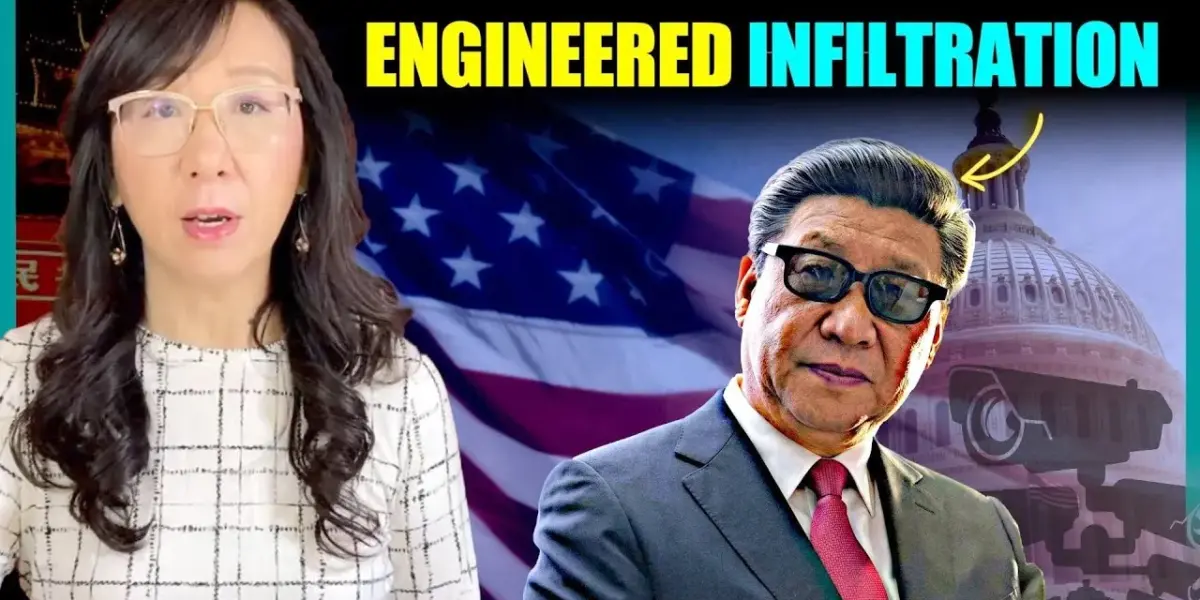
The Chinese Communist Party (CCP) is quietly building its influence across the United States. This isn’t about obvious spying; it’s a complex system. The CCP uses business deals, networks of Chinese citizens living abroad (the diaspora), and long-term relationship building to gain power. These actions often appear as opportunities, not threats, making them hard to spot. From college campuses to Wall Street, and from small towns to powerful circles, this strategy is spreading influence in plain sight. The true size of this operation is much larger than most people understand.
A System of Influence, Not Just Spying
Think of it like building a house brick by brick, but instead of bricks, the CCP uses businesses, cultural groups, and connections. This approach is designed to be subtle. It doesn’t always look like a foreign government interfering. Instead, it often presents itself as normal business or cultural exchange. This makes it difficult for people to recognize the underlying strategy. The goal is to gain favor and access, slowly shaping opinions and decisions within the U.S.
Leveraging Business and Finance
One key part of the CCP’s strategy involves business and financial ties. Companies with connections to China often enter the U.S. market. They might invest in American businesses or form partnerships. These deals can create jobs and bring new products, making them seem purely economic. However, these relationships can also be used to gain insights and influence policy. For example, a Chinese company investing heavily in a local U.S. town might gain a sympathetic ear from local officials on issues important to Beijing.
The Role of the Chinese Diaspora
The CCP also works with Chinese citizens living outside of China, known as the diaspora. These individuals and groups can be powerful allies. They may feel a strong connection to their homeland and be willing to support its goals. The CCP encourages these connections through various organizations and events. These networks can help spread information, organize support for CCP policies, and provide a platform for Chinese influence. Sometimes, these efforts can put pressure on individuals within the diaspora to conform to Beijing’s views.
Cultivating Relationships Over Time
Building influence takes time. The CCP’s strategy focuses on long-term relationship cultivation. This means connecting with people in positions of power or potential influence over many years. It involves attending events, offering support, and finding common ground. These relationships can be with politicians, business leaders, academics, and community organizers. The aim is to create a network of individuals who are friendly to China’s interests, even if they don’t realize they are part of a larger strategy.
Influence in Plain Sight
The most striking aspect of this strategy is that it happens openly. It doesn’t hide in the shadows. Instead, it uses public platforms like universities, business conferences, and cultural festivals. Chinese organizations might sponsor events or offer scholarships. These actions build goodwill and create opportunities for engagement. While these activities can be beneficial on their own, they are also part of a broader effort to shape perceptions and build connections that serve the CCP’s interests.
Why This Matters
Understanding this strategy is crucial for several reasons. It highlights the need for greater awareness of how foreign influence operates. It challenges the idea that foreign interference is always overt or hostile. By presenting itself as opportunity, the CCP’s strategy can be more effective and harder to counter. It affects everything from academic freedom and business dealings to national security and public opinion. Recognizing these subtle methods helps protect democratic processes and national interests.
Implications and Future Outlook
The implications of this strategy are far-reaching. It means that U.S. institutions need to be more vigilant. Universities must carefully consider partnerships and funding sources. Businesses need to understand the full context of their dealings with Chinese entities. Policymakers face the challenge of addressing these influences without harming legitimate cultural and economic ties. The future outlook suggests that these subtle influence operations will likely continue and evolve. As China’s global role grows, so too will its efforts to shape international perceptions and relationships.
Historical Context
Throughout history, nations have sought to expand their influence abroad through various means. Diplomacy, trade, and cultural exchange have always been tools of statecraft. However, the CCP’s approach combines these traditional methods with a modern, systematic strategy of influence building. This systematic approach, leveraging both economic power and diaspora networks, represents a significant evolution in how states project power globally. It builds upon decades of effort by the CCP to engage with the world, adapting its tactics as its own power has grown.
Source: Inside the CCP’s Strategy: How Business, Diaspora, and Power Intersect in the U.S. (YouTube)

Related Articles


China Maps Seabed, Eyes Hawaii in Naval Power Play
China's extensive seabed mapping in the Pacific, particularly around strategic areas like Guam and Hawaii, is raising concerns about its preparation for submarine warfare. This effort, often disguised as scientific research, aims to enhance China's naval capabilities and challenge US dominance in the region.


Russia Faces Last-Ditch Offensive, Internal Cracks
Russia may be launching a final major offensive in Ukraine as it faces mounting internal pressures. Analysts suggest this push is a last resort before significant manpower and financial issues arise. Meanwhile, increasing domestic information control and official criticism highlight growing cracks within the Russian establishment.


Trump Threatens Iran, Shaking Global Stability
Former President Trump's aggressive Easter Sunday warning to Iran has ignited global concerns, highlighting a volatile intersection of politics, religion, and foreign policy. The analysis explores the motivations behind such rhetoric, the deep divisions within American society, and the potential for severe economic and geopolitical repercussions worldwide.