China Benefits as Iran Conflict Disrupts Global Oil
China is emerging as a potential winner from the ongoing conflict in the Middle East, largely due to its strategic energy reserves and diverse power sources. While global oil prices surge, China's economy remains relatively shielded, allowing it to pursue its geopolitical goals and test the global reach of its currency.

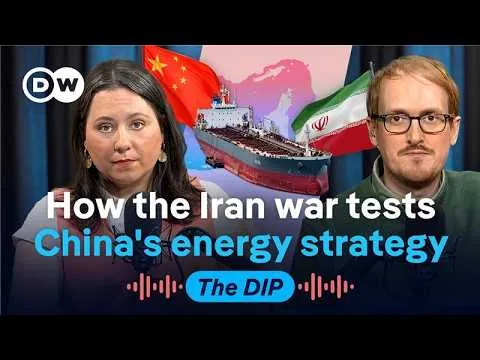
China Poised to Profit Amidst Middle East Turmoil
As the conflict involving Iran and its adversaries enters its second month, China stands out as a nation uniquely positioned not only to withstand the economic fallout but also to potentially benefit. While many global economies grapple with rising energy costs and supply chain disruptions, China’s strategic planning and diverse energy mix have so far shielded it from the worst impacts. This stability, in contrast to the global turmoil, allows Beijing to pursue its own economic and geopolitical agenda.
Oil Shock’s Muted Impact on China
The war has significantly impacted global oil prices, but China has experienced a far less severe increase in gasoline prices compared to the United States. While U.S. prices have jumped by at least 20%, China has seen an increase of around 10%. This relative resilience is attributed to several key factors. Firstly, China has built substantial strategic petroleum reserves, capable of sustaining the nation for over three months. Secondly, its energy consumption relies heavily on a diverse mix that includes a large domestic coal supply, which can be flexibly ramped up or down to meet electricity demands. Renewable energy sources also contribute to this diversified approach, lessening the direct dependence on volatile global oil markets.
Iran: A Strategic Partner in a Shifting World Order
China views Iran not just as a source of discounted oil but as a crucial partner in its vision for an alternative global order. Beijing seeks to reduce its vulnerability to U.S. sanctions, particularly financial ones. Iran serves as a partner in processing energy transactions, including oil imports, using China’s own currency, the renminbi. Furthermore, Iran’s vocal anti-Western stance aligns with China’s efforts to promote a multipolar world where it holds significant influence. While Iran presents a strategic liability due to potential damage to Chinese investments and the risk of global recession, its role in challenging the existing U.S.-led order is seen as valuable by Beijing.
Renminbi’s Global Ambitions
A key benefit China gains from its relationship with Iran, and one that is difficult to replicate elsewhere, is the opportunity to test and scale up its financial infrastructure based on the renminbi. As a major oil and natural gas producer with a history of anti-American sentiment, Iran provides a platform for China to promote its currency in international trade. While other discounted oil sources exist, such as from Venezuela, and while China’s large state-owned companies might avoid sanctioned oil, the strategic use of Iranian energy trade offers a unique avenue for the renminbi’s global expansion.
Navigating Economic Dilemmas
The current global economic climate presents a policy dilemma for China. The nation is embarking on its 15th five-year plan, which emphasizes self-sufficiency and continued reliance on manufacturing and exports. However, global market shocks, such as rising fertilizer prices, can create panic buying and threaten food security in emerging markets. This instability could reduce the purchasing power of China’s export partners, impacting its own economy. The Chinese government faces a delicate balancing act: potentially appreciating the renminbi to curb its trade surplus could make its exports less affordable, while failing to do so might exacerbate global economic pressures.
Diversification and Global South Markets
Following trade disputes, China has actively sought to diversify its export markets beyond the United States. Its focus has shifted towards the Global South, including Southeast Asia and Latin America. However, these markets are typically less able to purchase high-value goods compared to the U.S. and Europe. The current oil price shock disproportionately affects these regions, particularly Southeast Asia, leading to measures like fuel shortages and reduced working weeks. This highlights a fundamental principle: global instability directly hinders China’s ability to export and maintain economic growth.
Geopolitical Strategy and Weaponized Resources
Looking ahead, China’s long-term planning, evident in its five-year plans, suggests a continued strategy of diversification and resilience. The nation has demonstrated an ability to weather storms better than many others. The current crisis underscores the increasingly intertwined nature of geopolitics, the global economy, and trade. China has shown a capacity to strategically deploy various elements—economic, political, and even military—to advance its interests. Just as it previously used rare earth minerals as leverage against the U.S., the current situation highlights how critical commodities like oil can become tools in geopolitical maneuvering, potentially leading to more frequent weaponization of resources in global trade.
Source: Why China could be the winner of the Iran war | The Dip Podcast (YouTube)

Related Articles
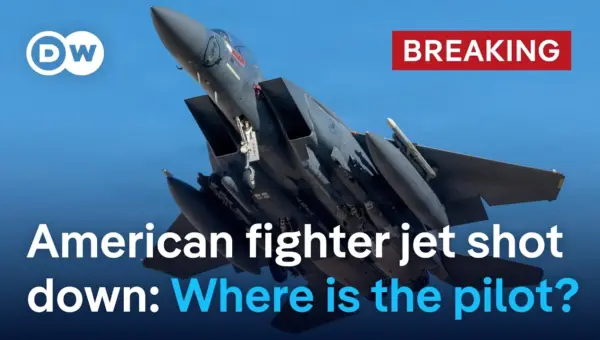
US Jet Downed in Iran: Crew Fate Unknown, War Unpopular
An American F-15 fighter jet has been shot down over Iran, with U.S. officials confirming the loss but offering few details on the crew's fate. The incident occurs amid widespread public opposition to the war and raises questions about Iran's air defense capabilities.
Iran Claims US Pilot Ejected; US Silent Amid Escalating Tensions
Iran claims a U.S. pilot ejected from a fighter jet over its territory, offering a reward for capture. The U.S. has not confirmed the report amid escalating regional tensions. Military experts discuss the strategic implications of U.S. strikes and the potential for internal change in Iran.


US Pilot Feared Lost in Iran; Search Underway
The U.S. military is conducting a search operation inside Iran for an American pilot whose fighter jet may have been downed. Details are limited, with uncertainty over whether the plane was shot down or suffered mechanical failure. The operation highlights the complexities of rescue missions in hostile territory and occurs amid heightened regional tensions.