Chief Justice Warns: Personal Attacks on Judges Are Dangerous
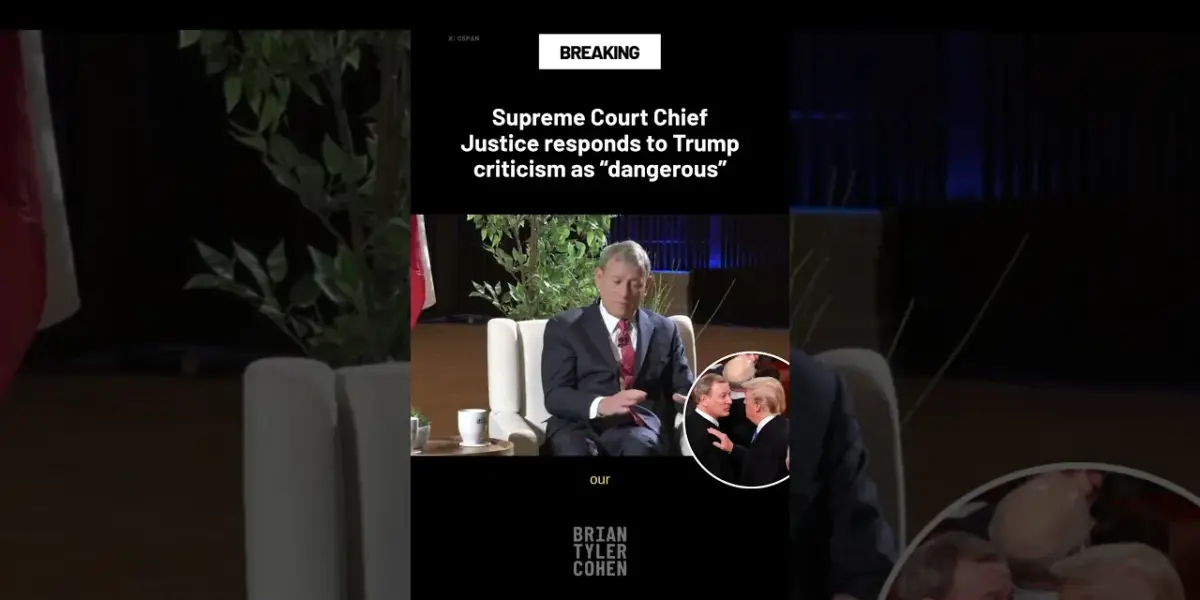
Chief Justice John Roberts recently warned that personal attacks against judges are "dangerous." While he supports healthy criticism of legal opinions, he distinguishes it from hostility directed at judges themselves. This shift, he argues, can undermine public trust and judicial independence.

Chief Justice Warns: Personal Attacks on Judges Are Dangerous
The head of the U.S. court system, Chief Justice John Roberts, recently spoke out about the growing trend of personal attacks against judges. In his 2024 year-end report, Roberts acknowledged that criticism is a normal part of a judge’s job. He even suggested that healthy criticism can be good for the courts. However, he drew a clear line between debating legal opinions and attacking judges personally. Roberts stated that this kind of personal hostility is not just unpleasant, but actually quite dangerous.
Roberts explained that judges and justices understand that their decisions will be questioned. Often, when a court issues an opinion, there might be a dissenting opinion, meaning one or more judges disagree. While not all opinions are unanimous, many are. Judges get used to hearing different viewpoints on their work. The Chief Justice believes it’s important for people to examine and question court decisions. This scrutiny helps ensure the courts are doing their job correctly.
Shifting From Law to Personalities
The problem, according to Roberts, arises when criticism moves away from the actual legal arguments. When the focus shifts from the law to the judge as a person, it becomes more troubling. He noted that this kind of personal criticism doesn’t come from just one political side; it’s seen across the board. Instead of discussing the merits of a court’s ruling, some people attack the judges themselves.
Roberts called these personal attacks “dangerous.” He emphasized that judges across the country work very hard to make the right decisions. If they make mistakes, their rulings should absolutely be open to criticism. But he stressed that hostility directed at judges personally is harmful and needs to stop. This isn’t just about protecting judges; it’s about protecting the fairness and trust in the judicial system itself.
Historical Context of Judicial Criticism
Criticism of judges and their decisions is not new. Throughout American history, prominent figures and everyday citizens have voiced their disagreements with court rulings. For example, the Supreme Court’s decision in 1857, Dred Scott v. Sandford, was widely condemned and fueled the tensions leading to the Civil War. Later, decisions like Plessy v. Ferguson in 1896, which upheld racial segregation, faced significant opposition and were eventually overturned.
Even figures like President Franklin D. Roosevelt famously clashed with the Supreme Court during the New Deal era, proposing a plan to add more justices to the court after it struck down key legislation. These historical moments show that questioning judicial authority and decisions is part of the democratic process. However, the nature and intensity of that criticism have evolved, especially with the rise of social media and a highly polarized political climate.
Why This Matters
The Chief Justice’s warning is significant because it highlights a potential threat to the independence and effectiveness of the judiciary. Judges are expected to make decisions based on the law, not on public opinion or fear of reprisal. If judges feel personally threatened or constantly attacked, it could influence their willingness to make unpopular but legally sound decisions. This could erode public trust in the courts, which is essential for a functioning democracy.
When people focus solely on personal attacks, they miss the chance to understand the complex legal reasoning behind a decision. This can lead to a less informed public discourse about important legal issues. The justice system relies on the public’s belief that judges are impartial. Personal attacks can undermine this belief, making people less likely to respect or comply with court orders.
Trends and Future Outlook
The rise of online platforms has made it easier than ever to spread criticism, both fair and unfair. This can quickly turn into widespread personal attacks that reach a massive audience. While the internet allows for greater public engagement with the courts, it also opens the door for harassment and intimidation of judges. This trend is worrying for many legal experts.
The Chief Justice’s call for civility is a plea to return to a focus on legal debate rather than personal insults. It suggests a need for greater public awareness about the role of judges and the importance of judicial independence. The future of fair and impartial justice may depend on society’s ability to engage in respectful dialogue about legal matters, even when we strongly disagree with the outcomes.
“Personally directed hostility is dangerous and it’s got to stop.” – Chief Justice John Roberts
The sentiment was echoed by a trial judge who thanked the Chief Justice, stating that knowing the higher courts have their backs is deeply meaningful. This exchange underscores the solidarity among members of the judiciary and their shared concern about the pressures they face. The hope is that this awareness will lead to a more constructive approach to discussing judicial matters.
Source: Supreme Court Chief Justice responds to Trump criticism as “dangerous” (YouTube)

Related Articles

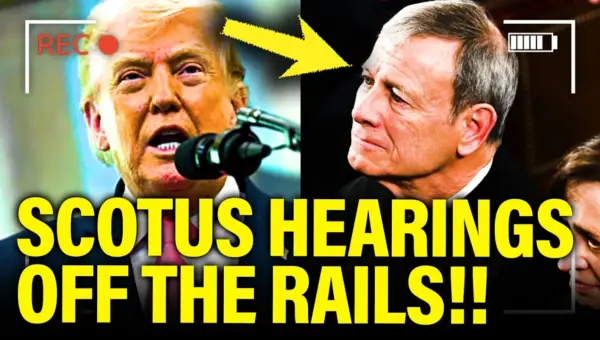
Supreme Court Cases Threaten Rights, But Congress Holds a Fix
The Supreme Court's recent hearings on mail-in ballots and asylum suggest rulings that could restrict voting access and limit refugee claims. However, these decisions are based on statutes, giving Congress the power to enact fixes if Democrats regain power, potentially safeguarding these rights.


Trump’s War Talk & Court Tirade Stun GOP
Donald Trump recently delivered a speech where he discussed military operations in Iran, calling them "operations" to avoid needing congressional approval. He also launched a strong attack on the Supreme Court, labeling justices, including his own appointees, as "criminals."
Supreme Court Shields ISPs from Piracy Liability
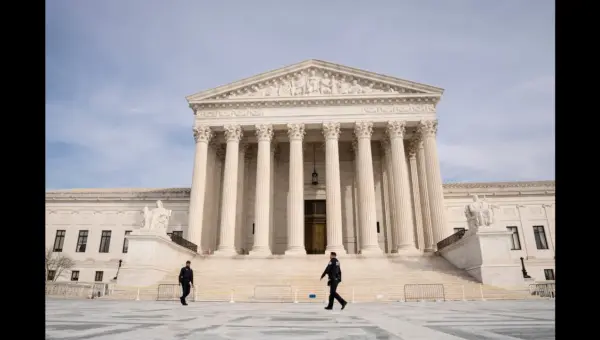
The Supreme Court ruled that Cox Communications is not liable for copyright infringement by its customers. This decision shifts the burden of combating piracy onto individual users, potentially impacting how content creators pursue legal action.