Chemical Smell Halts Flights at D.C. Airports
A strong, unidentified chemical smell at the Potomac Air Traffic Control Facility has triggered a ground stop for major airports serving the Washington D.C. area, including Reagan National, Dulles, and BWI. The FAA cited the odor's impact on air traffic controllers as the reason for the widespread flight disruptions on Tuesday.

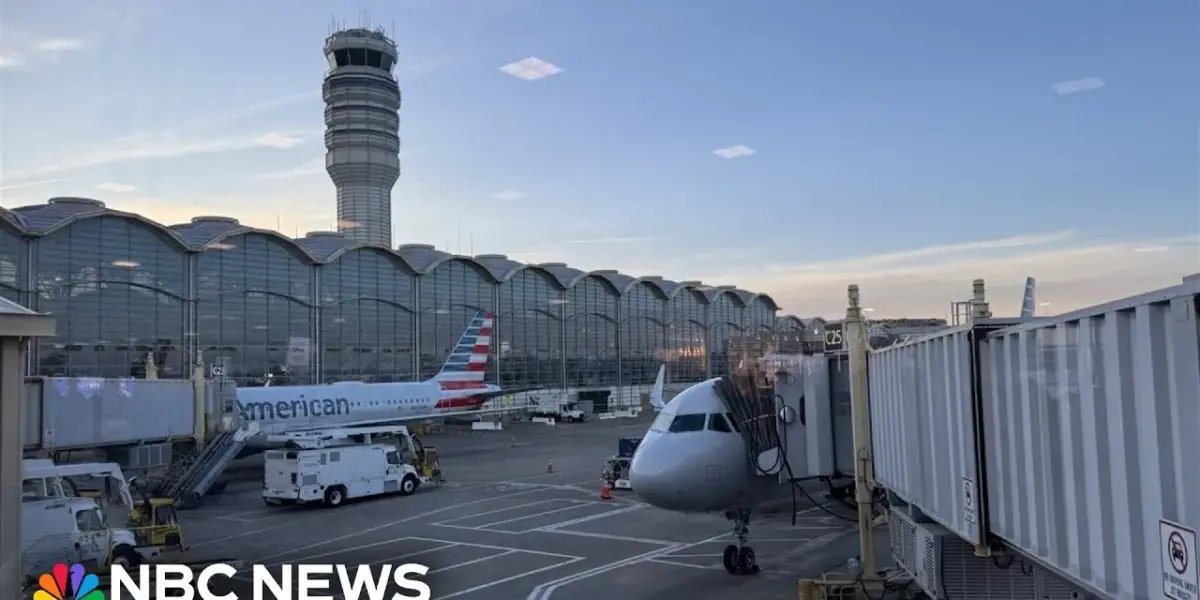
Chemical Odor Grounds Flights at Major D.C. Area Airports
WASHINGTON D.C. – A strong, unidentified chemical smell has forced the Federal Aviation Administration (FAA) to implement a ground stop affecting three major airports serving the Washington D.C. metropolitan area and Baltimore. The odor was detected at the Potomac Air Traffic Control Facility, the fourth largest in the nation, leading to disruptions for thousands of travelers on Tuesday. The ground stop, which began impacting operations around midday, has caused significant delays and cancellations, with the FAA citing the smell’s impact on air traffic controllers as the primary reason for the operational pause.
What Happened and Where
The incident unfolded at the Potomac Air Traffic Control Facility, a critical hub responsible for managing air traffic in a densely populated and highly sensitive airspace. The facility, located in Potomac, Maryland, oversees a significant portion of the air traffic for the region. The source of the chemical smell remains under investigation, but its presence was potent enough to warrant immediate action by aviation authorities. The FAA confirmed in a statement that the odor was affecting the ability of air traffic controllers to perform their duties safely and effectively, necessitating the ground stop.
Impact on Travelers
The ground stop directly affected operations at:
- Ronald Reagan Washington National Airport (DCA)
- Washington Dulles International Airport (IAD)
- Baltimore/Washington International Thurgood Marshall Airport (BWI)
Passengers at these airports faced immediate flight delays and cancellations. The FAA’s decision meant that no new flights were permitted to depart for these destinations, and arriving flights were either held on the ground at their origin or diverted. The disruption caused widespread confusion and frustration among travelers, many of whom were heading to or from the nation’s capital for business or personal reasons. The exact number of flights impacted and passengers affected is expected to be substantial given the airports’ high traffic volume.
FAA’s Response and Investigation
In response to the situation, the FAA issued a mandatory ground stop, a measure typically reserved for significant safety or operational concerns. The agency’s statement emphasized that the safety of air traffic operations is paramount and that the odor presented a potential hazard to the controllers working in the facility. Emergency services were reportedly dispatched to the air traffic control facility to assess the situation and identify the source of the smell. Details regarding the nature of the chemical or its origin have not yet been released, pending the outcome of the ongoing investigation.
Broader Implications and Precedents
While ground stops are a known tool in the FAA’s arsenal, they are not enacted lightly. Incidents involving unusual odors or potential chemical exposures at air traffic control facilities are rare but underscore the critical importance of the working environment for air traffic controllers. These individuals are responsible for the complex and demanding task of managing hundreds of aircraft simultaneously, and any factor that compromises their concentration or well-being can have serious repercussions. The Potomac facility’s size and its role in managing airspace for major East Coast corridors make any disruption there particularly impactful. This event highlights the vulnerability of critical infrastructure to unforeseen environmental or chemical incidents and the robust protocols in place to manage such emergencies.
What’s Next
As the investigation into the chemical smell continues, the FAA will be closely monitoring the situation at the Potomac Air Traffic Control Facility. The duration of the ground stop will depend on the successful identification and remediation of the odor source, as well as the all-clear from safety and environmental health officials. Travelers are advised to check with their respective airlines for the latest flight status updates and to anticipate potential lingering delays even after the ground stop is lifted. Further updates are expected from the FAA as more information becomes available regarding the cause and resolution of this unusual incident.
Source: Strong chemical smell causes ground stop at D.C. area airports (YouTube)

Related Articles

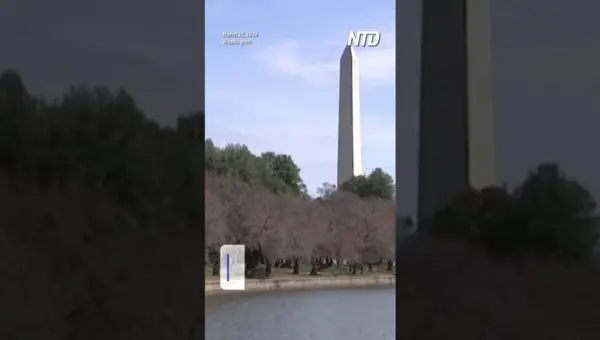
Blossoms Bloom as Japan Gifts New Trees to U.S.
Washington D.C.'s Tidal Basin is alive with cherry blossoms, heralding spring. Japan is gifting new trees to the U.S. for its 250th anniversary, continuing a tradition of friendship that began over a century ago. This act highlights the power of cultural diplomacy and enduring international bonds.
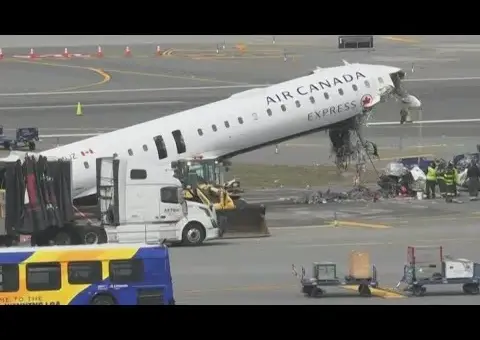
Air Safety Fears Soar After Deadly Crash
A fatal crash at LaGuardia Airport has triggered a national review of air safety, revealing a pattern of close calls and communication issues at U.S. airports. Investigators are examining technology and staffing, as calls grow for urgent safety upgrades.


New DHS Leader Takes Charge Amid Crime Fight Success
Markwayne Mullin has been confirmed as the new Secretary of Homeland Security. Meanwhile, the Trump administration is highlighting the success of the Memphis Safe Task Force, which has seen a significant drop in crime. An investigation is underway after a Park Police officer was shot in Washington D.C.