Charles Goodyear: The Man Who Tamed Rubber
Charles Goodyear's persistent experimentation led to the discovery of vulcanization, transforming unstable natural rubber into a durable, temperature-resistant material essential for modern industry.

Charles Goodyear: The Man Who Tamed Rubber
For centuries, natural rubber was a material of tantalizing promise, yet frustrating limitations. Indigenous peoples in the Americas had long utilized its unique elastic properties, but its widespread adoption by the industrialized world was hindered by a critical flaw: its extreme sensitivity to temperature. In its raw form, rubber would melt into a sticky, unusable goo under the summer sun and turn into a brittle, fragile substance when exposed to cold. This inherent instability rendered rubber products, from waterproof coats to footwear, unreliable and often useless, leading to significant commercial setbacks and a foul-smelling problem for businesses like the Roxbury Rubber Company.
The Sticky Problem of Natural Rubber
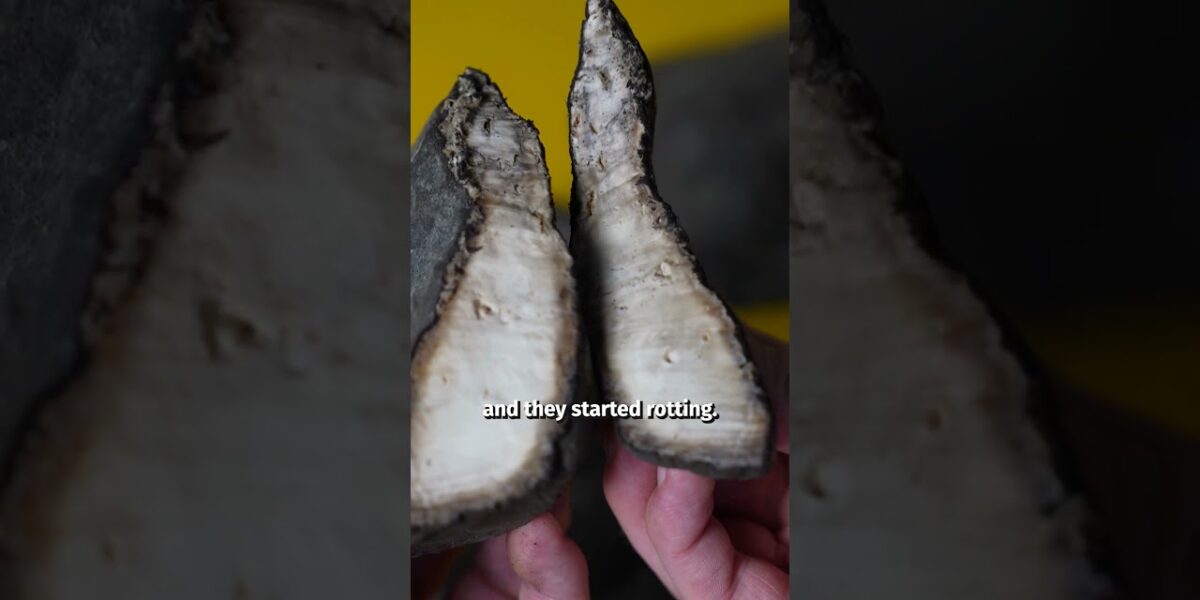
The experience of the Roxbury Rubber Company serves as a stark illustration of rubber’s pre-industrial challenges. Imagine investing in innovative rubber-based products, only to have them melt into a putrid, sticky mess during warm weather. Customers, understandably, returned their purchases en masse. The situation was so dire that when one manager inspected a warehouse filled with these products, he was met with a noxious odor and a scene of molten rubber that had seemingly liquefied and begun to rot. The stench was so unbearable that employees were reportedly tasked with secretly burying the spoiled rubber under the cover of night. This wasn’t an isolated incident; the raw material itself, when improperly stored or exposed to heat, could degrade into a foul-smelling sludge, presenting a significant hurdle for any manufacturer hoping to capitalize on its potential.
A Debt-Ridden Inventor’s Vision
Into this difficult landscape stepped Charles Goodyear, a man whose own life was marked by financial struggles. Having faced bankruptcy and deep in debt, Goodyear encountered the problematic nature of rubber firsthand. His initial venture involved attempting to improve upon a rubber life preserver by designing a better valve. He saw the potential in rubber, but like others, he recognized its fundamental instability. When he presented his ideas to the Roxbury manager, he was shown the grim reality of the company’s rubber inventory – a testament to the material’s unreliability.
The manager, though unable to purchase Goodyear’s design, offered a crucial insight: the person who could find a way to make rubber stable across a wider range of temperatures and prevent its stickiness would achieve immense commercial success. This challenge, coupled with his own financial desperation, ignited a fierce determination in Goodyear. He became singularly focused on solving the riddle of vulcanization, a process that would ultimately transform rubber from a problematic curiosity into an indispensable industrial material.
The Breakthrough: Vulcanization
Goodyear’s journey was not a swift or easy one. It was a protracted and often frustrating quest spanning years of relentless experimentation. He tried numerous approaches, often sacrificing his own resources and enduring personal hardship in pursuit of his goal. The breakthrough finally came in 1839, not through a deliberate, controlled experiment, but through a fortunate accident. While attempting to demonstrate his rubber compound to a friend, he accidentally dropped a mixture of rubber, sulfur, and lead onto a hot stove.
Instead of melting into a puddle, the compound charred. This charring, however, was not the failure he might have expected. Upon closer inspection, Goodyear realized that the heat had caused a chemical reaction between the rubber and the sulfur. This process, which he named vulcanization after Vulcan, the Roman god of fire, fundamentally altered the molecular structure of the rubber. It created cross-links between the polymer chains, making the material significantly more durable, elastic, and resistant to temperature fluctuations. The resulting vulcanized rubber was no longer sticky when hot, nor brittle when cold. It could withstand a wide range of conditions, opening up a universe of possibilities.
The Impact and Legacy of Vulcanization
The invention of vulcanization by Charles Goodyear was a monumental achievement with far-reaching implications. It transformed rubber from a material that caused more problems than it solved into a cornerstone of modern industry. Suddenly, durable, waterproof, and elastic products could be manufactured reliably. This led to advancements in countless fields:
- Transportation: The development of durable rubber tires for bicycles and, later, automobiles, revolutionized personal and commercial transport.
- Industry: Conveyor belts, hoses, seals, and gaskets made from vulcanized rubber became essential components in factories and machinery.
- Consumer Goods: Waterproof clothing, footwear, gloves, and a vast array of everyday items became more practical and long-lasting.
- Healthcare: The development of rubber medical devices, such as gloves and tubing, significantly improved hygiene and patient care.
Goodyear, though he finally achieved commercial success and secured patents for his invention, faced considerable challenges in protecting his intellectual property. Competitors often tried to infringe upon his patents, and he spent much of his later life engaged in legal battles to defend his discovery. Despite these struggles, his perseverance paid off, not just financially, but in leaving an indelible mark on technological progress.
What Comes Next?
While Charles Goodyear’s discovery of vulcanization was a pivotal moment in material science, the story of rubber continues to evolve. Today, the focus is increasingly on sustainable and synthetic rubber production, addressing environmental concerns associated with natural rubber cultivation and the use of petroleum-based chemicals in synthetic varieties. Researchers are exploring new forms of rubber with enhanced properties, such as self-healing capabilities or improved biodegradability. The legacy of Goodyear’s tenacious pursuit of innovation serves as a powerful reminder that even the most intractable problems can be overcome with ingenuity and a refusal to accept limitations.
Source: Rubber used to be useless… (YouTube)

Related Articles

Jet Engine Blades Defy Melting Point with Incredible Physics
Jet engine turbine blades operate at temperatures exceeding their melting point, defying destruction through advanced materials and intricate cooling systems. This engineering marvel is key to engine efficiency and the future of flight.


White Dwarf Dyson Spheres: A Tiny Star’s Big Energy Solution
Astronomers are exploring the possibility of building Dyson spheres around compact white dwarf stars, which offer a long-lasting and stable energy source. Meanwhile, the Vera Rubin Observatory promises near real-time astronomical discovery, and new data challenges models of supermassive black hole formation in the early universe.


NASA’s Asteroid Mission: From Mars Dream to Lunar Gateway
NASA's ambitious Asteroid Redirect Mission (ARM), designed as a stepping stone to Mars, aimed to capture a small asteroid boulder and tow it to lunar orbit for astronaut testing. Though cancelled, its advanced propulsion and robotic technologies live on in NASA's Lunar Gateway and future deep space exploration plans.