CEOs’ Shocking Remarks: From Sexism to Fraud
From Sam Bankman-Fried's crypto fraud to Elon Musk's embrace of conspiracy theories, a look at CEOs whose shocking remarks and actions have rocked the business world and beyond. These titans of industry have faced scandals ranging from sexism and racism to massive financial crimes.

From Billion-Dollar Empires to Public Outcry: CEOs Caught in Offensive Speech Scandals
In the cutthroat world of high finance and global business, where reputations are built on innovation and market dominance, a different kind of headline has emerged. Recent revelations have pulled back the curtain on some of the world’s most powerful CEOs, exposing a pattern of deeply offensive, discriminatory, and even criminal behavior. From accusations of sexism and racism to outright fraud and the fostering of toxic work environments, these executives have left a trail of controversy that rivals their business successes.
The Crypto King’s Downfall: Sam Bankman-Fried
Once hailed as the golden boy of cryptocurrency, Sam Bankman-Fried, the former CEO of FTX, has become a cautionary tale. His empire crumbled spectacularly, leading to a conviction for fraud in 2023 and a subsequent 25-year prison sentence. The exchange platform FTX, which handled billions in market value, collapsed when customers attempted to withdraw funds in November 2022, only to find them missing. Investigations revealed the money had been siphoned to Alameda Research, a hedge fund owned by Bankman-Fried, to enrich himself and his inner circle. His public statements, including dismissive remarks about regulators and claims that his ethical posturing was a mere facade, now serve as stark indicators of the rot at the core of his operation. Dubbed the ‘Bernie Madoff of crypto,’ his downfall has left many retail investors feeling betrayed and frustrated.
Boeing’s Leadership Crisis: Dave Calhoun and James McNerney
The aerospace giant Boeing has been embroiled in a tumultuous period, marked by the infamous 737 MAX crashes and a persistent focus on production over safety. CEO Dave Calhoun, who took the helm in 2020 following the previous CEO’s ousting, announced his departure at the end of 2024. His tenure was plagued by controversy, notably his initial attempts to shift blame for safety issues onto pilots rather than acknowledging Boeing’s primary fault. Reports from investigators, such as Mike Whitaker’s observation of a ‘culture of move the product, move the plane,’ underscore a systemic issue. This culture appears to have roots extending further back, with former CEO James McNerney (2005-2015), during whose leadership the 737 MAX was developed, also facing scrutiny. McNerney’s alleged comments about employees ‘cowering’ and his team’s discussions about ‘tricking regulators’ paint a grim picture of the company’s internal dynamics.
Abercrombie & Fitch’s Dark Past: Mike Jeffries
Michael Jeffries, the former CEO of Abercrombie & Fitch, presided over the brand’s meteoric rise from 1992 to 2014. However, his success was built on exclusionary and discriminatory practices. Jeffries famously targeted an ‘attractive all-American kid’ aesthetic, explicitly excluding those he deemed overweight or unattractive. These discriminatory marketing strategies, coupled with Jeffries’ own alleged involvement in sex trafficking and interstate prostitution – for which he was arrested in the 2020s – cast a long shadow over the brand’s legacy. His statements, such as telling a female executive she was a ’34C, but getting all kinds of help from Victoria’s Secret… she’s a 34B, as in barely anything there, false advertising,’ reveal a pattern of objectification and disrespect.
Meta’s Privacy Concerns: Mark Zuckerberg
Mark Zuckerberg, the co-founder and CEO of Meta (formerly Facebook), has faced persistent criticism regarding user privacy. Early in his career at Harvard, Zuckerberg allegedly made callous remarks about ethics and privacy, including, ‘You can be unethical and still be legal. That’s the way I live my life.’ The infamous Cambridge Analytica scandal, which exposed the data of up to 50 million Facebook users, further amplified concerns about his commitment to user privacy. Despite apologies and vows to do better, the company’s business model, which relies heavily on data collection, continues to raise questions about the protection of personal information.
Uber’s Tumultuous Rise: Travis Kalanick
Travis Kalanick, the founder and former CEO of Uber, was forced to resign in 2017 amidst accusations of fostering a toxic company culture. His tenure was marked by controversial statements and incidents, including a leaked video of him arguing with an Uber driver about falling income. Early on, he reportedly joked about Uber being called ‘Boober’ due to his perceived popularity with women. The company faced widespread criticism for issues including sexual harassment, and Kalanick’s aggressive leadership style was seen as a significant contributing factor to these problems.
Bloomberg LP’s Toxic Environment: Michael Bloomberg
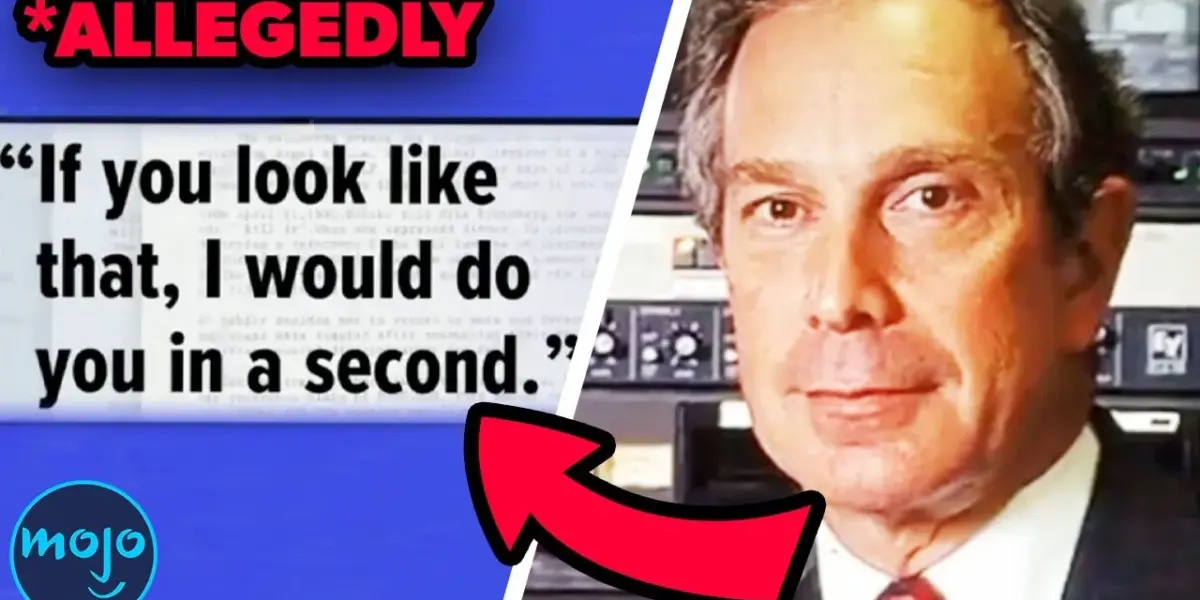
Michael Bloomberg, the billionaire businessman and former Mayor of New York City, has faced enduring allegations of sexism and fostering a toxic work environment at Bloomberg LP, the company he co-founded and led for decades. Lawsuits filed by former female employees detailed claims of harassment and discrimination. A pamphlet created for his 48th birthday reportedly contained misogynistic remarks, including a quote suggesting women should spend more time at the library than at Bloomingdale’s if they wished to be considered intelligent. One former employee, Zakai, alleged that Bloomberg implied she should have an abortion to keep her job, highlighting the deeply problematic culture at the company during his leadership.
Media Mogul’s Climate Denial: Rupert Murdoch
Rupert Murdoch, the influential owner of a vast media empire, has been a vocal skeptic of climate change, drawing widespread criticism from scientists and environmentalists. He has been accused of actively damaging public perception of global warming through his outlets’ coverage, often framing climate science as alarmist or hysterical. When asked about rising sea levels, his response, ‘We should all move a little inland,’ was seen as dismissive of the crisis’s severity. Scientists have labeled him a ‘climate villain’ for his perceived role in hindering progress on the issue.
Papa John’s Racial Slur Controversy: John Schnatter
John Schnatter, the founder of Papa John’s Pizza, resigned as chairman of the company in 2018 after using a racial slur during a conference call. He attempted to defend his actions by citing Colonel Sanders, the founder of KFC, as having used similar language without public repercussion. This defense proved unconvincing, and Schnatter’s reputation suffered significantly. His subsequent attempts to clarify his remarks, stating he ‘cited’ or ‘mentioned’ the word rather than ‘used’ it, did little to repair the damage.
Elon Musk’s Controversial Tweets: The Great Replacement Theory
Tech magnate Elon Musk, known for his prolific and often provocative presence on Twitter (now X), has repeatedly courted controversy with his public statements. One of his most alarming involvements has been with the ‘Great Replacement’ conspiracy theory, an extreme right-wing ideology that claims white populations are being deliberately replaced by non-white immigrants, often with an antisemitic undertone blaming Jewish people. Musk has shared content supporting this theory, including a 2024 post with the caption ‘This is actually happening,’ and has linked immigration to political outcomes, suggesting undocumented immigrants are being used to gain votes and alter electoral college results. These statements align with dangerous and unfounded conspiracy narratives.
These incidents serve as a stark reminder that even the most powerful figures in business are not immune to scrutiny and that their words and actions can have profound and lasting consequences, impacting not only their companies but also public trust and societal discourse.
Source: 10 Big Business Execs CAUGHT Saying Terrible Things (YouTube)

Related Articles


Musicians’ Pride Comes Before a Fall: Top 10 Humbled Stars
From award show interruptions to public scandals, some of music's biggest names have faced moments that humbled them. This list counts down ten times arrogant musicians were brought back down to Earth by their own actions or public backlash. Discover the shocking incidents that defined these artists' careers.
Fox News Hosts Spark Outrage With Shocking Remarks
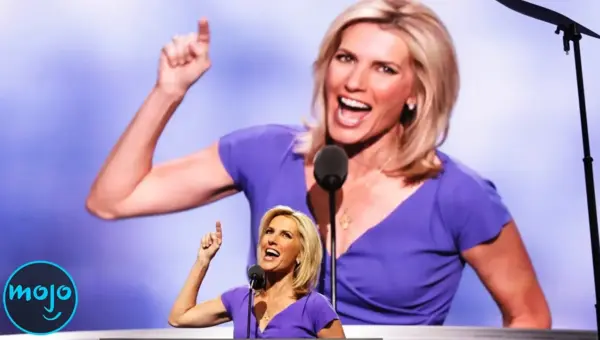
From commentary on candy mascots to serious accusations about election fraud, several Fox News hosts have made controversial statements that sparked outrage and consequences. This list details the most provocative remarks, including advertiser boycotts, public backlash, and a massive defamation lawsuit.


Louis Theroux’s Manosphere Doc Delivers Jaw-Dropping Moments
Louis Theroux's latest documentary, Into the Manosphere, delivers shocking and awkward moments as he interviews men from controversial online communities. The film explores extreme views on masculinity and society, leaving viewers captivated and disturbed.