Ceasefire Shattered: Iran’s Drone Swarms Ignite Regional Chaos
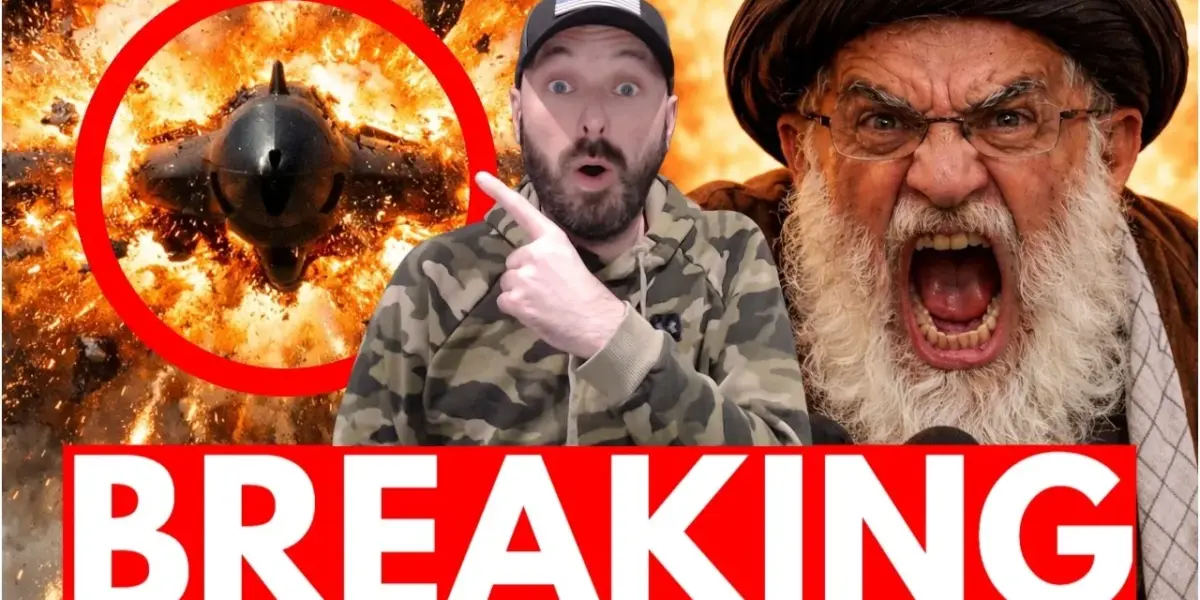
Iran has launched a massive drone attack on Kuwait, shattering a fragile ceasefire. Air defenses are active across Iran, while fighting continues in Lebanon. The Strait of Hormuz remains largely shut down, and the U.S. is rushing military supplies to the region.

Ceasefire Shattered: Iran’s Drone Swarms Ignite Regional Chaos
On April 9th, reports emerged of a massive Iranian attack, shattering a supposed ceasefire. This escalation occurred despite agreements for a halt in fighting. The United States appears to be the only party observing this fragile truce, as other nations continue military actions. Meanwhile, anti-aircraft defenses have been active within Iran, firing at unidentified aircraft. Israel has also continued its strikes in Lebanon, which Iran has cited as a violation of the ceasefire, potentially impacting upcoming negotiations.
Kuwait Under Attack, Ceasefire Ignored
The Kuwaiti military officially announced its nation was under an Iranian drone attack. Swarms of Iranian Shahi drones entered Kuwaiti airspace, targeting unspecified vital facilities. Kuwaiti air defenses were actively engaged in trying to shoot down these drones. This action directly contradicts the terms of the ceasefire, which was meant to bring an end to all hostilities. The targets could have included energy infrastructure, water desalination plants, or military bases, but exact objectives remain unknown.
Saudi Arabia Faces Production Cuts After Iranian Attack
Following the ceasefire, Saudi Arabia announced significant damage to its oil industry from a prior Iranian attack. This damage has forced the kingdom to cut oil production by 700,000 barrels per day. The attack, whether by drone or missile, hit a major oil pipeline. This substantial reduction in output highlights the severe economic impact of these regional conflicts, even after a ceasefire was declared.
Iran’s Air Defenses Active Amidst Unidentified Aircraft
Reports indicate massive activity from Iranian air defense systems in multiple locations, including Tehran, Tabriz, and Karaj. Anti-aircraft fire lit up the skies as defenses engaged unidentified aircraft. Similar activity was reported in Khostan province and northeastern Iran. While the exact nature of the threat is unclear, these actions suggest Iran perceived an intrusion into its airspace. The origin of these aircraft remains unknown, with possibilities ranging from Israeli or U.S. drones to those from other Gulf states. Any airspace violation would represent another breach of the ceasefire.
Iran Rebuilding Missiles, Ceasefire Seen as Rearming Period
A classified briefing to the Israeli Knesset revealed that Iran has already begun rebuilding its missile capabilities. This involves retrieving missiles from damaged tunnels. This suggests that the ceasefire period may be viewed by some parties not as a path to peace, but as an opportunity to rearm for future conflicts. The Strait of Hormuz remains a critical point of tension in this ongoing regional instability.
Lebanon Conflict Continues, Iran Threatens Escalation
Fighting in Lebanon has not ceased, with reports of clashes between Israeli troops and unknown combatants. Air strikes and bombing continue, causing visible damage within the country. Iran has warned that if Israel continues its actions in Lebanon, they will resume firing ballistic missiles at Israel. This indicates that the conflict in Lebanon is a major factor in Iran’s willingness to abide by, or break, the ceasefire and engage in further negotiations.
Iran Declares Victory, Consolidates Power
Iran’s Supreme Leader, Ayatollah Mohseni, declared victory in the recent conflict, calling it an “epic defense.” He also stated Iran would seek reparations and move to a new phase in managing the Strait of Hormuz. While this declaration of victory may seem unusual given the damage Iran sustained, it reflects the regime’s perspective. From the standpoint of Iran’s leadership, remaining in power and consolidating control, particularly by the Islamic Revolutionary Guard Corps (IRGC), is seen as a victory. The IRGC’s influence has reportedly grown significantly, giving them total control within the country.
Strait of Hormuz Largely Shut Down, High Tolls Imposed
The Strait of Hormuz, a vital global shipping lane, is reported to be effectively shut down. As of the filming date, only a single tanker and five dry bulk carriers had passed through. Iran is reportedly charging ships $2 million each to transit the strait. Ships that do not pay risk having their vessels attacked. This situation significantly disrupts global oil transport and trade.
Challenges in Reclaiming Ships in the Strait of Hormuz
Directly boarding and seizing ships in the Strait of Hormuz, as has been done previously with unarmed vessels, presents new dangers. The ships currently transiting, particularly those associated with Iran and possibly China, are believed to be armed with RPGs. Attempting to board these vessels using helicopters, which must hover, would make them vulnerable targets. Such an operation could lead to significant American casualties and a major escalation with China, especially if Chinese-flagged ships were involved.
U.S. Rushes Military Supplies to the Middle East
Despite the ceasefire, the United States has been actively resupplying its forces in the Middle East. Nine cargo flights from Europe landed in the region on the day of filming, likely carrying equipment and personnel in preparation for potential future conflicts should the ceasefire collapse. This military buildup suggests a lack of confidence in the long-term stability of the truce.
Pakistani Cargo Planes Deliver Unknown Items to Saudi Arabia
Two Pakistani cargo jets flew into Saudi Arabia, carrying unspecified items. This is significant due to the defense pact between the two nations. There is also a long-standing speculation that Saudi Arabia funded Pakistan’s nuclear weapons program. The delivery comes after Saudi Arabia’s oil infrastructure was hit, raising questions about the nature of the cargo and the strategic implications for regional security, especially concerning Iran’s nuclear ambitions.
IRGC Utilizes Child Soldiers at Checkpoints
Disturbing reports and images show children operating machine guns at IRGC checkpoints within Iran. This indicates the extent of the IRGC’s control and the concerning methods they are employing, highlighting the dire internal situation within the country under their influence.
Conclusion: A Fragile Truce in a Volatile Region
The situation remains highly fluid and dangerous. Iran has launched another significant attack, and air defense systems are firing across the country. The conflict in Lebanon continues unabated, and the ceasefire appears to be in name only. The movement of aircraft and military assets across the region suggests heightened tensions and a readiness for further escalation. The world watches closely as this volatile situation unfolds, with the fragile ceasefire showing clear signs of collapse.
Source: Iran Launches MASSIVE New Attack – Air Defenses FIRING (YouTube)

Related Articles
Iran Threatens Strait of Hormuz Amid Lebanon Strikes
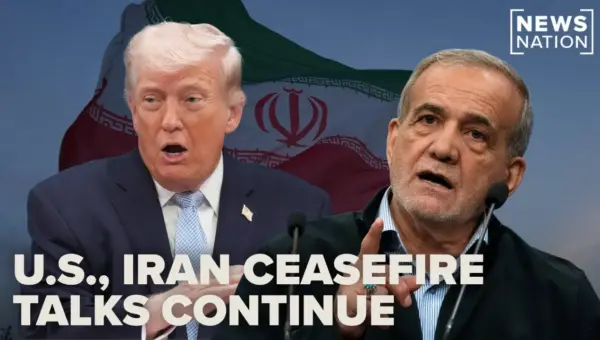
Iran threatens to close the vital Strait of Hormuz in response to ongoing strikes in Lebanon. The US is trying to de-escalate, but actions on the ground remain a concern, potentially impacting global oil markets and future negotiations.

Senator Slams Jeffries’ Iran Stance, Cites Nuclear Threat
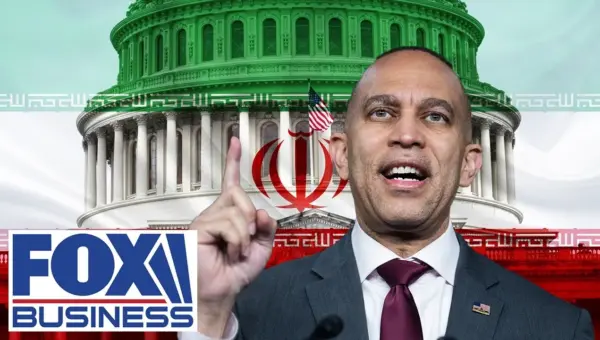
Senator Rick Scott sharply criticized House Democratic Leader Hakeem Jeffries over his stance on Iran, calling him an "idiot" for seeking to limit the President's authority. Scott highlighted the threat of Iran developing nuclear weapons. The discussion also covered President Trump's stance on NATO and the ongoing DHS funding shutdown.

Iran’s Hormuz Threat: A Known Tactic, Not New
Recent conflict did not teach Iran a new tactic by threatening to close the Strait of Hormuz. Experts and Iranian planners have long understood this strategic leverage. The effectiveness of the recent shutdown was tied to global perceptions of the preceding conflict's instigator, not a newfound Iranian capability.