Ceasefire Offers Relief, But Oil Prices May Stay High
A recent ceasefire in the Gulf offers relief, but economic analysts warn that the impact on oil prices and global supply chains could persist for months. While fears of interest rate hikes may ease, consumers are still likely to face higher energy and fuel costs, affecting the broader cost of living.


Global Markets Brace for Lingering Economic Impact Despite Gulf Ceasefire
The world breathed a collective sigh of relief this week as a ceasefire was agreed upon in the Gulf region, potentially averting further escalation of conflict. However, analysts warn that the economic fallout from the recent tensions may linger for months, impacting everything from oil prices to interest rates. The Strait of Hormuz, a critical global shipping route, could reopen, but significant uncertainties remain regarding safety, insurance, and potential sanctions. This disruption continues to affect global supply chains, with experts suggesting the economic pinch could last for at least six months.
Shipping and Sanctions: The Strait of Hormuz Dilemma
While the immediate threat of wider conflict has receded, the reopening of the Strait of Hormuz is not a simple fix for oil prices. Shipping companies face a difficult decision: whether the potential risks of navigating the strait are worth the cost. Concerns about mines in the waterway and the associated insurance costs create a significant hurdle. Even if ships can pass, the possibility of violating existing sanctions adds another layer of complexity. This uncertainty means that disruptions to global shipping are likely to continue, impacting the flow of goods and contributing to higher prices.
Interest Rate Hopes Rise Amid Economic Slowdown
The recent ceasefire has brought a glimmer of hope regarding interest rates. Economists now believe that fears of significant interest rate hikes may not materialize. Before the ceasefire, money markets were betting on multiple rate increases this year. Now, the expectation has significantly reduced, with many anticipating only one rise or potentially none at all. This shift is partly due to a reassessment of inflation. While inflation is expected to rise slightly, it is not predicted to reach the levels seen in previous years. One key reason for this is that consumers have less disposable income than they did during the pandemic lockdowns, when savings were high and spending on travel and entertainment was low.
The Lingering Cost of Living Squeeze
Despite the positive news on interest rates, households are still likely to face a cost of living squeeze. Energy bills, while showing some signs of decrease, are expected to remain higher than pre-conflict levels. Analysts predict an increase of around 230 pounds for energy bills in July, though this figure has already come down from earlier predictions. The real concern for many in government and industry lies with potential bill increases in the autumn. The longer the conflict’s effects linger, the greater the risk of another jump in energy costs. Unlike the rapid, broad-based support provided after the invasion of Ukraine, the government may have more time to develop targeted relief plans if the situation stabilizes more quickly.
Oil Prices and Fertilizer Fears: A Long-Term Outlook
The price of oil is expected to remain elevated for the foreseeable future. Before the recent conflict, a barrel of Brent crude oil was trading just below $70. Experts suggest it could take one to two years for prices to return to those levels. This means continued higher prices at the pump for both petrol and diesel. Diesel is particularly crucial as it fuels road transport and freight, directly impacting the cost of food and other goods. Furthermore, concerns are mounting over the supply and price of fertilizer, which is often transported through the Middle East and the Strait of Hormuz. Higher fertilizer costs could translate into increased food prices well into next year. The conflict, though relatively brief in duration, is set to have economic repercussions lasting at least six months, and potentially much longer.
Government Intervention: A Delicate Balancing Act
The fluctuating economic situation raises questions about government intervention. While a ceasefire offers a chance for stability, the unpredictable nature of global markets makes it difficult to determine when and how to provide support. Former Chancellor Jeremy Hunt has indicated that the government cannot afford widespread aid this time, suggesting that support may be limited to the most vulnerable households. The country’s financial health will play a significant role in determining the extent of any assistance. As of now, there are no concrete details on potential financial support packages from the government. The hope remains that the ceasefire holds, preventing the situation from worsening and allowing for a more stable economic outlook.
Source: Why Reopening The Strait Of Hormuz May Not Help Oil Prices | Ben Clatworthy (YouTube)

Related Articles


Trump Orders Iran Strait of Hormuz Blockade
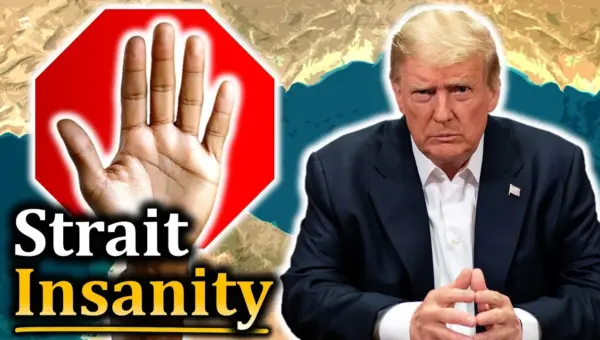
President Trump has ordered an immediate U.S. Navy blockade of the Strait of Hormuz following failed negotiations with Iran. The move aims to halt all maritime traffic, but experts warn of significant risks, including potential confrontations with other nations and economic repercussions. The situation remains volatile as both sides may have used a recent ceasefire to resupply and prepare for further conflict.
US Navy Blockades Strait of Hormuz, Targets Iranian Tolls
The U.S. Navy has initiated a blockade of the Strait of Hormuz, targeting vessels paying Iranian transit tolls. This move aims to cut off Iranian revenue and follows failed diplomatic talks. The action carries significant geopolitical risks, particularly concerning potential Chinese involvement.


Iran Threatens US Navy Amid Escalating Tensions
Iran is threatening to bomb U.S. naval ships near the Strait of Hormuz amid a significant U.S. military buildup. Diplomatic talks have stalled on key issues like nuclear enrichment and regional security, increasing the likelihood of renewed conflict.