Ceasefire Fragile: Iran Accuses US, Israel of Violations
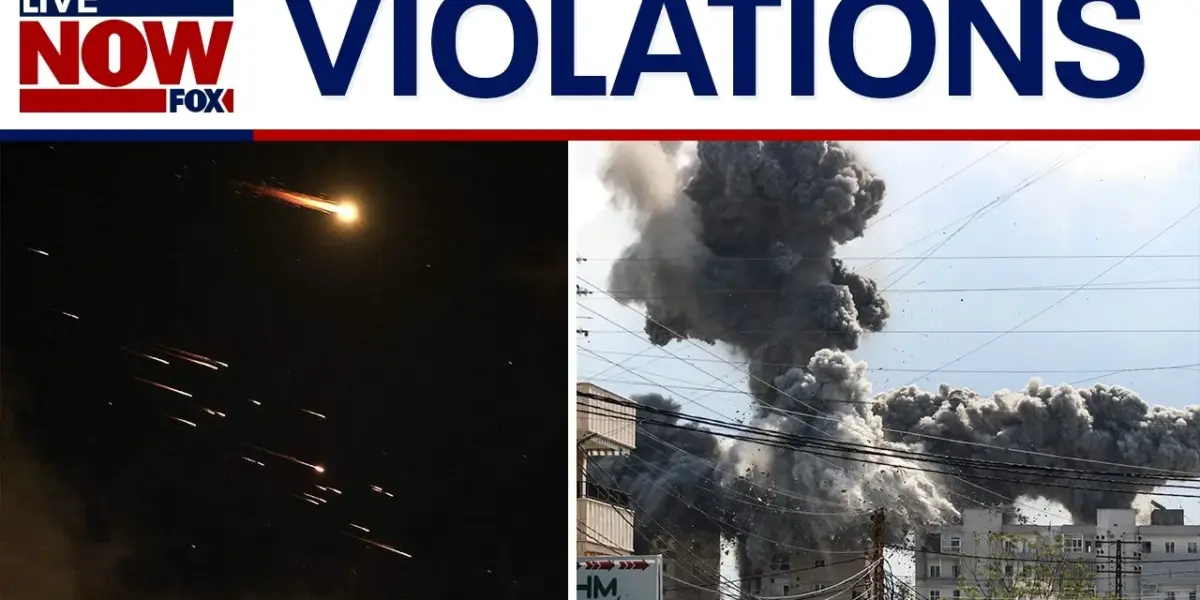
A fragile ceasefire between the U.S. and Iran is under severe strain as Iran accuses the U.S. and Israel of violations, particularly concerning Israeli strikes in Lebanon. Tensions escalated with significant Israeli airstrikes in Lebanon following the ceasefire, leading to conflicting interpretations of its scope.

Ceasefire Under Threat Amidst Conflicting Interpretations
A fragile ceasefire, brokered between the United States and Iran, is facing intense scrutiny as accusations of violations fly from Tehran. Iran claims the U.S. and Israel have breached the agreement, particularly regarding Israeli airstrikes in Lebanon. This dispute casts a long shadow over upcoming peace talks scheduled for Friday in Islamabad, Pakistan. The core of the disagreement lies in whether the ceasefire was intended to include the ongoing conflict between Israel and Hezbollah.
Iran’s Stance: Ceasefire Must Include All Fronts
From the outset, Iran has insisted that any ceasefire must encompass all related conflicts. This includes Israel’s actions in Lebanon against Hezbollah. Pakistan has publicly supported this view, confirming that Hezbollah and Israel are part of the truce. However, Israel and the United States have stated the opposite, asserting that the ceasefire does not extend to the Israeli-Hezbollah front. This fundamental difference in interpretation has led to Iran closing the Strait of Hormuz and threatening missile strikes against Israel.
“The sides are very far apart when it comes to what they’re coming into these negotiations with.”
Massive Israeli Strikes in Lebanon Heighten Tensions
Adding fuel to the fire, the Israeli Defense Forces (IDF) reported carrying out over 100 strikes in Lebanon within a mere 10 minutes. The IDF stated these strikes targeted over 300 Hezbollah operatives and military sites. According to the Lebanese health ministry, these attacks resulted in at least 182 deaths and nearly a thousand injuries. Israel, however, claims to have inflicted over 300 casualties on Hezbollah. This intense military action, occurring shortly after the ceasefire went into effect, is seen by many as a deliberate message from Israel that its conflict with Hezbollah will continue regardless of broader agreements.
Lebanon’s Role and Internal Struggles
The situation also highlights Lebanon’s complex position. Israel has accused Lebanese leadership of failing to control Hezbollah. Hezbollah operates significantly from southern Lebanon, establishing what has been described as a “state within a state” with its own financial systems. The Lebanese military’s presence in these areas is often weaker than Hezbollah’s influence. Lebanon, still recovering from a devastating civil war, fears reigniting internal ethnic clashes if it directly confronts Hezbollah, which has a political wing and has held cabinet positions. While past pledges to neutralize Hezbollah have not materialized, the Lebanese government has proposed direct negotiations with Israel to find a path toward peace, suggesting this could make it easier to address the Hezbollah issue internally.
Ambiguous Incidents and Deniable Warfare
Despite the escalating rhetoric, direct confrontations between the U.S. and Iran have not been confirmed. There have been reports of a significant explosion near Car Island off the coast of Iran, but neither the U.S. nor Israel claimed responsibility. The U.S. issued a statement denying involvement. Similarly, reports of Iranian drones being shot down near Kuwait, or Iranian claims of shooting down an Israeli drone, fall into a category of “deniable warfare.” These minor incidents and the constant back-and-forth rhetoric appear to be a tactic by both sides to keep each other on edge and signal their readiness for conflict, all while maintaining a semblance of plausible deniability.
Divergent Goals for Upcoming Negotiations
The upcoming talks in Islamabad are fraught with uncertainty, especially as Iran has threatened to boycott them if the ceasefire does not explicitly include Lebanon. Key sticking points are expected to be Iran’s demands for war reparations and control over the Strait of Hormuz, versus the U.S. focus on limiting Iran’s nuclear and missile programs. Reports from the White House regarding a 10-point plan from Iran have been contradictory, adding to the confusion. While some statements suggested this plan could be a basis for talks, others indicated the President dismissed it entirely. This internal inconsistency, coupled with Iran’s insistence on its own plan and Israel’s demands for limitations on missile programs, suggests a significant gap in the opening positions.
Differing Visions of Victory and Future Guarantees
The differing objectives between the United States and Israel further complicate matters. For the U.S., a successful outcome might involve limitations on Iran’s nuclear program, the opening of the Strait of Hormuz, and economic stabilization. Israel, facing upcoming elections, seeks more tangible achievements. Analysts note a divergence between U.S. and Israeli war aims, with Israel desiring more comprehensive changes than the U.S. appears to be pursuing. A major concern for Israel is not just the terms of a deal but future guarantees against further attacks, potentially limiting its own military freedom of action in the region. This desire for unimpeded military capability clashes with potential assurances Iran might seek, creating a complex web of conflicting interests that will need to be navigated in any future negotiations.
Source: Iran accuses US & Israel of ceasefire violations (YouTube)

Related Articles

US Tightens Grip: Iran Strait Blockade Sparks Global Oil Fears
The U.S. is threatening to block Iranian ports, a move that could severely disrupt global oil supplies. This action tests international law and puts major economies like China and India at risk of inflation. The standoff signals a potential shift in global power dynamics.

Trump Orders Iran Strait of Hormuz Blockade
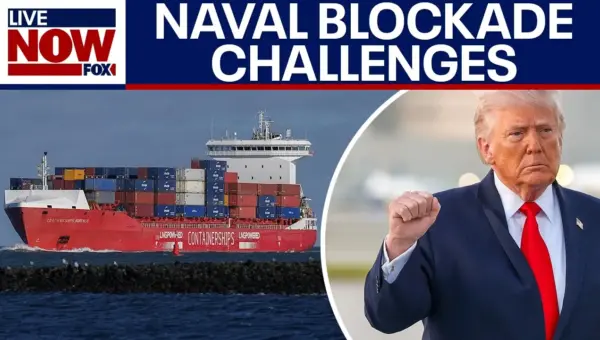
President Trump has ordered an immediate U.S. Navy blockade of the Strait of Hormuz following failed negotiations with Iran. The move aims to halt all maritime traffic, but experts warn of significant risks, including potential confrontations with other nations and economic repercussions. The situation remains volatile as both sides may have used a recent ceasefire to resupply and prepare for further conflict.
US Navy Blockades Strait of Hormuz, Targets Iranian Tolls
The U.S. Navy has initiated a blockade of the Strait of Hormuz, targeting vessels paying Iranian transit tolls. This move aims to cut off Iranian revenue and follows failed diplomatic talks. The action carries significant geopolitical risks, particularly concerning potential Chinese involvement.