Ceasefire Collapses: Iran Strikes Saudi Oil as Region Ignites
A fragile ceasefire has collapsed as Iran launches attacks on Saudi Arabia's oil pipeline and Kuwait's infrastructure. The conflict is escalating, with Iran also warning of further action in the Strait of Hormuz and claiming to have shot down an Israeli drone. Regional powers like the UAE may also be entering the fray.

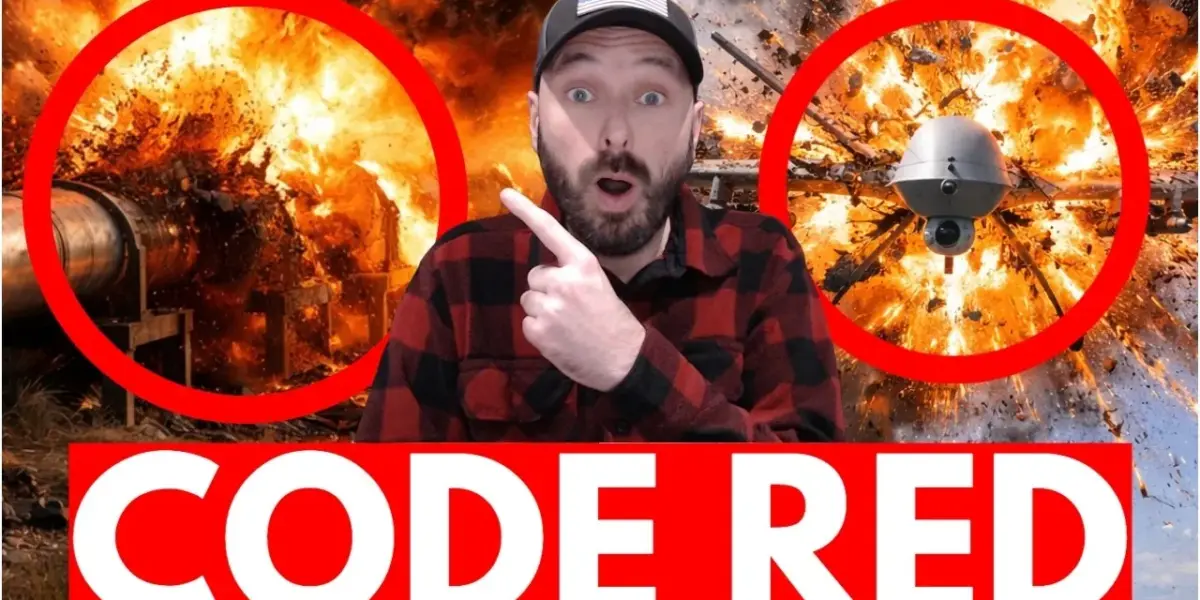
Ceasefire Collapses: Iran Strikes Saudi Oil as Region Ignites
A fragile ceasefire announced just hours before has shattered, plunging the Middle East back into conflict. Reports confirm devastating attacks on vital energy infrastructure, most notably a strike on Saudi Arabia’s oil pipeline, believed to be carried out by an Iranian drone. This incident signals a dramatic escalation, with other nations like Kuwait also reporting significant damage to their power and water facilities. The situation is rapidly devolving, suggesting a return to widespread violence across the region.
Iran’s Aggression Undermines Peace Efforts
The attacks began shortly after a ceasefire was declared, highlighting Iran’s apparent disregard for the agreement. Saudi Arabia’s economy heavily relies on its oil industry, making the targeting of its critical East-West pipeline a severe blow. Reports suggest the strike hit a major terminal, disrupting the flow of crude oil for export. Meanwhile, Kuwait has confirmed damage to its power stations and a water desalination plant, essential services for its population.
These actions stand in stark contrast to the United States’ adherence to the ceasefire. The U.S. has ceased military operations, yet Iran and other actors continue their assaults. This has led to widespread fighting, with Israel also launching attacks into Lebanon. The conflict appears to be intensifying, with larger and more critical targets being hit each day.
Israel-Iran Tensions Flare with Drone Incident
Adding to the chaos, Iran claims to have shot down an Israeli Hermes 900 drone over Fars Province. The Islamic Revolutionary Guard Corps (IRGC), now controlling Iran, stated that any U.S. or Israeli aircraft entering Iranian airspace would be considered a ceasefire violation. While drones are generally easier to intercept than fighter jets, this incident further inflames already high tensions between Iran and Israel.
The IRGC has also warned vessels attempting to pass through the Strait of Hormuz that it remains closed and will be targeted. Iran states the Strait will only reopen once Israel’s attacks on Lebanon cease. This move directly contradicts the primary goal of the ceasefire, which was to secure vital shipping lanes. The Strait of Hormuz was open before the recent conflict, making its continued closure a significant setback for global trade and energy security.
Gulf States Enter the Fray
Adding a new dimension to the conflict, reports suggest that the United Arab Emirates (UAE) may have entered the war. Following an attack on an Iranian oil facility, a UAE Mirage 2009 fighter jet was allegedly seen returning from a bombing run. If confirmed, this would mark the first time a Gulf state has conducted lethal operations, indicating a strong response to attacks on their own infrastructure and a diminished commitment to the ceasefire.
Simultaneously, Iran’s state media reported massive explosions on the Iranian island of Siri in the Persian Gulf. The cause of these explosions is not yet clear, but they add to the growing sense of widespread instability. Footage also emerged of Israeli airstrikes in Lebanon, with dozens feared dead, further fueling the cycle of violence.
U.S. Military Assesses Devastating Blows to Iran
In a press conference, General Dan Kaine, Chairman of the Joint Chiefs of Staff, detailed the significant military actions taken by the U.S. and its partners prior to the ceasefire. He stated that the Iranian Navy has been largely destroyed, with over 90% of its regular fleet sunk, including all major surface combatants. Approximately 150 Iranian ships are now at the bottom of the ocean.
Furthermore, Iran’s defense industrial base has been shattered. General Kaine reported that around 90% of Iran’s weapons factories were struck, including all facilities producing Shahed one-way attack drones and their guidance systems. Over 80% of Iran’s missile facilities and solid rocket motor production capabilities have also been destroyed. It is estimated that Iran will take years to rebuild its naval capabilities and its ability to produce advanced weaponry. Additionally, nearly 80% of Iran’s nuclear industrial base was hit, hindering its nuclear ambitions.
Why This Matters
The collapse of the ceasefire and the renewed attacks on critical infrastructure are deeply concerning. Saudi Arabia and Kuwait are key U.S. allies, and damage to their energy and water resources has significant economic and humanitarian implications. The continued closure of the Strait of Hormuz threatens global oil supplies and prices, potentially impacting economies worldwide. The involvement of more regional actors, like the UAE, suggests the conflict could widen further. The U.S., having taken a step back, may find itself drawn back into direct combat if its allies’ security is further threatened.
Implications, Trends, and Future Outlook
The current trend points towards an escalating conflict, rather than a de-escalation. Iran’s aggressive actions, despite calls for peace, indicate a willingness to continue its campaign of disruption. The targeting of energy and water infrastructure suggests a strategy aimed at inflicting maximum economic and societal pain on its adversaries. The involvement of other regional players like the UAE signals a broadening of the conflict beyond the initial Iran-Israel/U.S. dynamic.
The future outlook is grim if diplomatic efforts fail to regain traction. The military actions described by General Kaine have severely weakened Iran’s immediate capabilities, but the underlying political and strategic issues remain unresolved. A prolonged period of regional instability is likely, with potential for wider conflict and severe economic consequences, particularly for global energy markets. The United States faces a difficult decision regarding its level of involvement, balancing the need to protect allies with the desire to avoid direct confrontation.
Historical Context
Tensions between Iran and Saudi Arabia, and between Iran and Israel, have a long history, often playing out through proxy conflicts and economic pressure. The Strait of Hormuz has been a focal point for decades, with Iran frequently threatening to close it to disrupt global oil trade. Attacks on oil infrastructure are not new; Iran has been accused of similar actions in the past, particularly during periods of heightened confrontation with the West and its regional rivals. The current situation represents a significant intensification of these long-standing rivalries, occurring after a period of intense U.S. military action aimed at degrading Iran’s capabilities.
Source: BREAKING: Iran BOMBS Saudi Arabia's Oil – Aircraft SHOT DOWN (YouTube)

Related Articles


Trump Seeks Iran ‘Off-Ramp’ Amid Conflicting Victory Claims
Both the U.S. and Iran are claiming victory following a period of intense conflict, but achieving lasting peace faces significant hurdles. Key issues include Iran's nuclear program and ongoing hostilities in Lebanon, complicating proposed peace talks. President Trump is reportedly anxious for a diplomatic "off-ramp" to de-escalate the situation.

Iran Challenges US Dominance, Reshaping Global Power
A recent ceasefire marks a significant shift, not a victory for the US. Iran has emerged as a stronger global player, challenging American dominance. The conflict damaged US reputation, disrupted global markets, and signaled the end of the US hegemonic era.

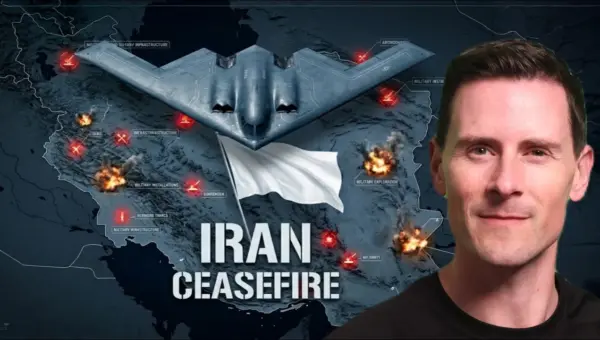
US-Iran Ceasefire Holds Amid Post-Strike Tensions
A two-week ceasefire has been declared in the U.S.-Iran conflict, marking day 39 of Operation Epic Fury. Despite the pause, Iran launched drone attacks on Gulf partners, prompting retaliatory strikes on Iranian oil infrastructure. U.S. forces conducted extensive operations targeting Iran's industrial base and leadership prior to the ceasefire.