Cease-Fire Buys Time for Gulf Tankers, Iran Talks
A recent cease-fire with Iran, coinciding with a journalist's release, offers a strategic pause. This move could buy time for oil tankers to exit the Persian Gulf and potentially create space for negotiations or even support for internal change within Iran. However, Iran's continued aggressive actions raise questions about the cease-fire's longevity.

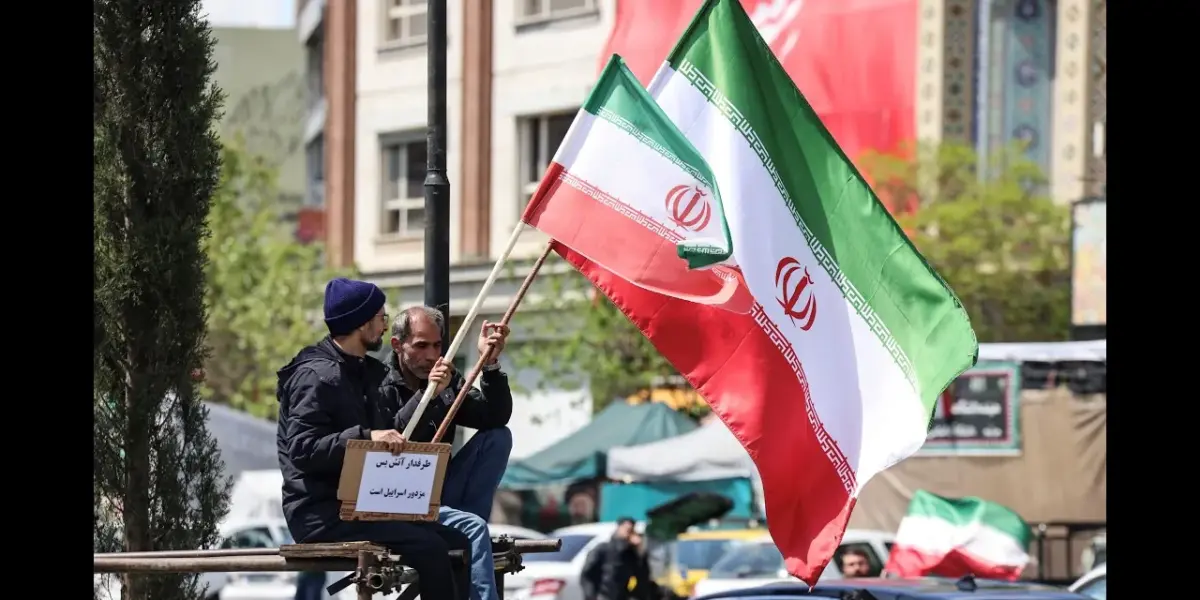
US Cease-Fire Offers Iran a Breathing Room, But What’s the Real Goal?
A recent cease-fire announcement by President Trump has created a pause in tensions with Iran. This move happened at the same time an American journalist, Shelly Kittelson, was released. She had been held by an Iran-backed militia in Iraq. This development raises questions about America’s strategy and what it means for Iran.
A Firm Stance or a Tactical Pause?
President Trump has consistently focused on bringing Americans held captive around the world back home. The release of Ms. Kittelson shows that the cease-fire might have some real power behind it. This could be a big chance for the President, depending on how he uses it.
One possibility is that the US is now in a strong position to negotiate with Iran. Iran’s military strength and leadership have been weakened. This could mean Iran’s leaders listened to the President’s demands because they could no longer fight back effectively. If this is the case, meaningful talks could actually happen.
Buying Time for Oil and a Bigger Plan
However, another explanation for the cease-fire is more about timing. This pause might be a two-week window to let oil tankers stuck in the Persian Gulf get out safely. This would help lower oil prices, which have been high. Lower oil prices are good for many US allies and even for countries like China.
This pause also benefits the United States. It gives time to prepare for a plan that involves supporting the Iranian people. The President has made some interesting comments lately about arming the Iranian people. While one story about sending arms through the Kurds seems unlikely, the idea of the US supporting those who want change inside Iran is not out of the question.
For any internal movement in Iran to happen safely, bombing must stop. People in Iran already face challenges from groups like the Basij and the IRGC. They don’t need to be under attack from the air at the same time. The President has also said he would not abandon the Iranian people. These pieces fit together if supporting the Iranian people is the main goal.
Another view is that the US might achieve a more reasonable government in Tehran through negotiation. But the expert believes the more likely scenario is that this cease-fire is primarily buying time for other objectives.
Keeping the Pressure On: The Role of Proxies
As the US pursues this cease-fire, it’s crucial to keep pressure on Iran’s allies, known as proxies. Coordinating with other countries is key to making this temporary pause last longer. This approach is seen as absolutely essential.
Consider Hezbollah, a group that has controlled southern Lebanon for a long time. It’s essentially an extension of the Iranian government. Tehran directs, funds, and arms Hezbollah. This group then fires missiles into Israel whenever it chooses. If a similar enemy force, backed by a state, was launching missiles from across the US border, the US military would quickly respond.
Israel has shown a lot of patience in dealing with this. The US is also unwilling to let groups like the Houthis in Yemen hold shipping hostage in the Red Sea. While President Biden may have tolerated this, President Trump has taken action against it.
Iran’s Continued Actions and the Cease-Fire’s Future
Even after the cease-fire was announced, Iran has continued its aggressive actions. Iran carried out a drone strike in Kuwait recently. They were also firing missiles at Israel late the previous night. These actions suggest Iran is not acting in good faith.
If Iran keeps acting this way, the cease-fire could break down quickly, possibly before the two weeks are up. However, it seems President Trump has reached a point where the Iranian regime is significantly worried about potential US actions. This fear is what’s driving Iran to act positively for now, and it gives the US valuable time for potentially transformative changes.
Why This Matters
This cease-fire is more than just a break in fighting. It’s a strategic move that could reshape the balance of power in the Middle East. The success of this pause depends on whether it leads to lasting peace through negotiation or provides the space for deeper, more impactful changes within Iran itself. The world is watching to see if this temporary calm will lead to a more stable region or if Iran’s continued provocations will cause the situation to worsen.
Historical Context
Tensions between the US and Iran have a long history, dating back to the 1979 Iranian Revolution. Over the years, these tensions have involved issues like Iran’s nuclear program, its support for militant groups, and its influence in the region. Previous US administrations have tried various approaches, from sanctions to direct diplomacy, with mixed results. President Trump’s “maximum pressure” campaign aimed to cripple Iran’s economy and force it to change its behavior. This cease-fire appears to be a tactical shift within that broader strategy, using a pause to potentially achieve specific goals.
Implications and Future Outlook
The immediate implication is a de-escalation of conflict, which can prevent further loss of life and stabilize global oil markets. The future outlook is uncertain. If Iran uses this time to de-escalate and engage in genuine negotiations, it could lead to a more peaceful resolution. Conversely, if Iran continues its aggressive actions through its proxies, the cease-fire may collapse, leading to renewed conflict. The US strategy of pressuring Iran’s proxies while seeking a broader resolution is a delicate balancing act. The effectiveness of this strategy will determine the long-term stability of the region.
Source: Cease-Fire Buys Time for Tankers to Exit Persian Gulf, Negotiations: Analysis (YouTube)

Related Articles


Ukraine Aid Cuts Cost Americans More Than Support
Cutting support for Ukraine has cost Americans more in increased energy prices than the aid itself would have, a new analysis suggests. The decision has also damaged global trust, with far-reaching implications.
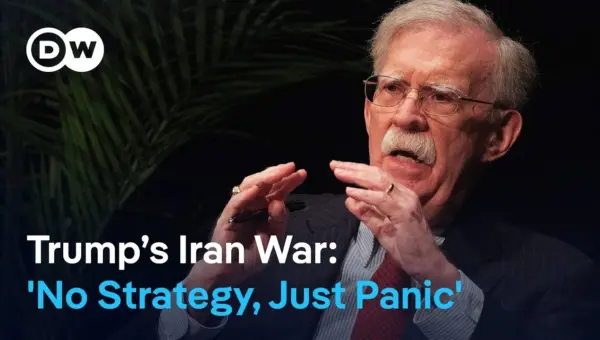
Bolton: Trump’s Iran Threats Show Panic, Not Strategy
Former National Security Adviser John Bolton characterized Donald Trump's strong rhetoric towards Iran as a sign of panic driven by domestic political concerns. He believes Trump's decision-making lacks strategic depth, potentially creating international instability. Bolton also discussed the upcoming talks involving Vice President JD Vance and the ongoing risks of escalation.

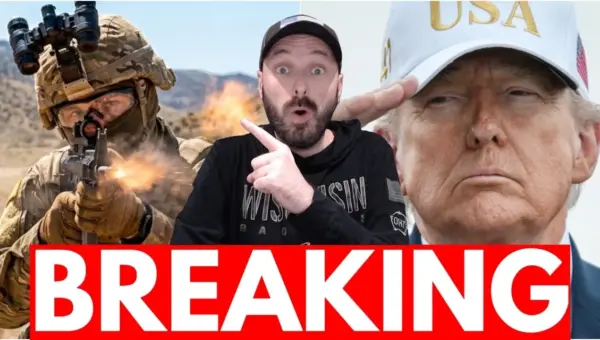
US Troops Surge as Iran Conflict Looms Again
US forces are surging into the Middle East amidst a fragile ceasefire with Iran. Heavy troop and equipment movements suggest preparation for renewed combat operations if diplomatic talks fail. The closure of the Strait of Hormuz remains a critical point of tension with significant global economic impacts.