CDC Buries COVID Vaccine Success Report Amidst RFK Jr. Criticism
The CDC is reportedly withholding a report showing COVID-19 vaccines cut hospitalizations by half, according to the Washington Post. This comes as the U.S. faces its worst measles outbreak in decades, with experts linking the rise in cases to misinformation promoted by HHS Secretary Robert F. Kennedy Jr.

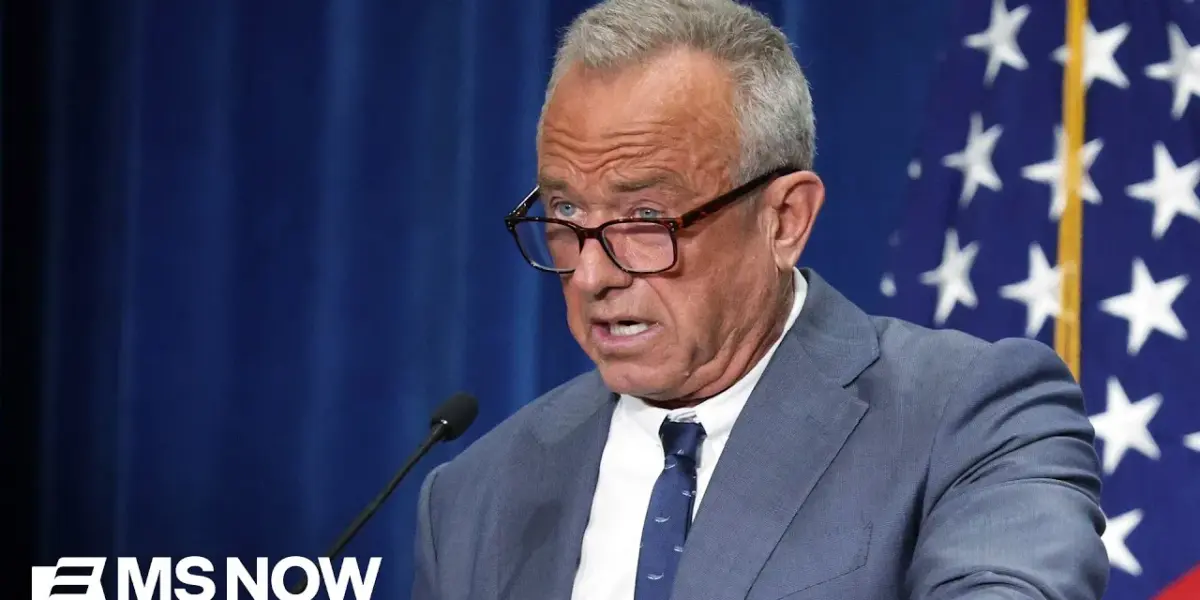
CDC Report on COVID Vaccine Success Allegedly Delayed
A new report from the Washington Post reveals that the Centers for Disease Control and Prevention (CDC) is reportedly holding back a public health report that highlights the success of COVID-19 vaccines. The report, which was expected to be released two weeks ago, suggests that the COVID-19 vaccine significantly reduced the need for emergency room visits and hospitalizations among healthy adults last winter, cutting these instances by about half. Whistleblower scientists claim the CDC director raised concerns about the report’s methodology, despite the same methods being used for flu vaccine evaluations for two decades.
Concerns Over Health Department Leadership and Measles Outbreak
Robert F. Kennedy Jr., who leads the Department of Health and Human Services (HHS), has faced criticism regarding his department’s handling of public health issues. Since Kennedy took office, the U.S. has experienced its largest measles outbreak since the virus was thought to be eliminated in 2000. Last year, three people, including two children, died from measles. This year, cases are surging, with Utah reporting nearly 600 confirmed cases, followed by South Carolina and Texas. In these states, dozens of children were hospitalized last year with measles and liver damage, reportedly linked to RFK Jr.’s recommendation of cod liver oil as a measles treatment instead of the proven, 97% effective vaccine.
Expert Warns of Long-Term Damage from Misinformation
Dr. Abdul Al-Sayed, a physician, epidemiologist, and former Director of the Detroit Health Department, joined the discussion, calling Kennedy’s influence a “chronic disease” on American health. Al-Sayed argued that misinformation, especially regarding vaccines, causes long-lasting damage that is difficult to reverse. He explained that when people are told that treatments they use, or give to their children, are harmful, the consequences can persist for generations. This issue, he noted, predates Kennedy’s role as HHS secretary, stemming from years of anti-vaccine advocacy.
“It’s really hard to reverse mis and disinformation when you put it out there. When you start telling people that the things that they take, or more importantly, give to their kids to help them actually do damage, at some point, the consequences last for a very, very long time.”
Financial Motives and Erosion of Scientific Trust
Al-Sayed suggested that financial gain might be a motivator for those spreading anti-vaccine sentiment. He stated that individuals and groups around Kennedy have profited by promoting unproven remedies while undermining effective ones. By discrediting objective science, they create a vacuum that leads people back to them for alternative solutions. This strategy, he explained, profits from the public’s distrust in established medical institutions and pharmaceutical companies.
Dismantling Scientific Infrastructure and Funding Cuts
The conversation also touched upon the broader impact of defunding scientific research and infrastructure. Al-Sayed emphasized that America’s historical leadership in health and science was built on sustained investment in rigorous research and following scientific inquiry. He warned that cutting these investments has severe long-term consequences, potentially leading to preventable deaths from diseases for which cures might have been found or developed. He used the example of GLP-1 drugs, which originated from obscure research on Gila monster saliva, to illustrate how investing in diverse scientific exploration can lead to unexpected breakthroughs.
The Challenge of Public Trust and Health Equity
Addressing the measles outbreak, Al-Sayed highlighted that measles is highly contagious, and unvaccinated individuals are at significant risk. He stressed that personal choices regarding vaccination affect the entire community, especially vulnerable infants who cannot be vaccinated. Al-Sayed also pointed out the critical role of public trust in health initiatives, noting that trust is earned and easily lost. He shared an anecdote from the COVID-19 pandemic where a constituent questioned why health officials focused on a new vaccine while neglecting the affordability of essential, long-standing treatments like insulin. This sentiment underscores the need for structural changes in healthcare access and affordability to build and maintain public confidence in health guidance.
Looking Ahead: Rebuilding Trust and Scientific Integrity
The alleged suppression of the CDC’s vaccine success report and the ongoing measles outbreak raise serious questions about the current administration’s commitment to public health transparency and evidence-based policy. As the HHS navigates these challenges, rebuilding public trust will require not only countering misinformation but also addressing systemic issues like healthcare accessibility and affordability. The long-term health of the nation may depend on restoring faith in scientific institutions and ensuring that public health decisions are guided by data, not ideology.
Source: WaPo bombshell: RFK's CDC burying report on Covid vaccine success (YouTube)

Related Articles
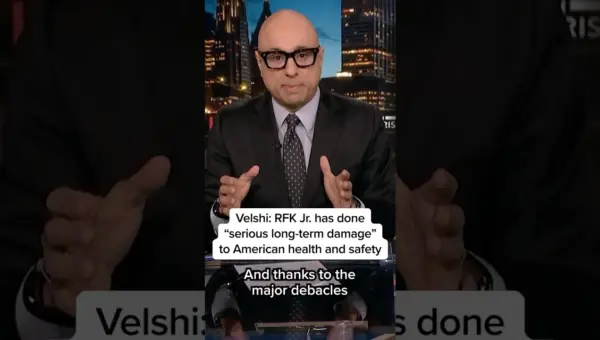
RFK Jr. Accused of Causing Health Damage Amid Vaccine Data Questions
MSNBC's Ali Velshi has accused Robert F. Kennedy Jr. of causing significant long-term harm to American health and safety, linking his influence to rising measles outbreaks. This criticism emerges as new reports question the CDC's timely release of data on COVID-19 vaccine benefits, potentially impacting public trust.

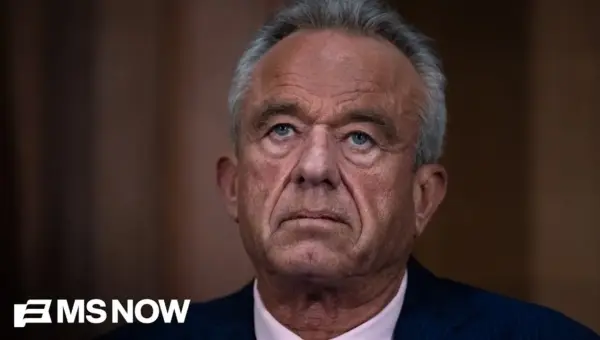
RFK Jr. Launches Podcast, Critics Question Priorities
Health Secretary Robert F. Kennedy Jr. has launched a new podcast, "The Secretary Kennedy Podcast," aiming for "radical transparency" and to expose government "lies." However, critics question his priorities, urging him to focus on his departmental duties amidst rising measles outbreaks and concerns about the nation's health infrastructure.


Plastic Invades Our Plates: Are We Eating Our Future?
Microplastics are now found in human tissues, sparking fears about our food supply. As the government investigates, citizens question the long-term impact of plastic on health and future generations. The fight against plastic pollution is on.