Cartel Fury Grips Mexico: ‘El Mencho’s’ Death Sparks Nationwide Violence, Disrupts Daily Life
Mexico is facing widespread violence and disruption after the death of notorious cartel leader "El Mencho." The Jalisco New Generation Cartel retaliated with arson and blockades, forcing closures of airports, schools, and transport, leaving residents in fear.

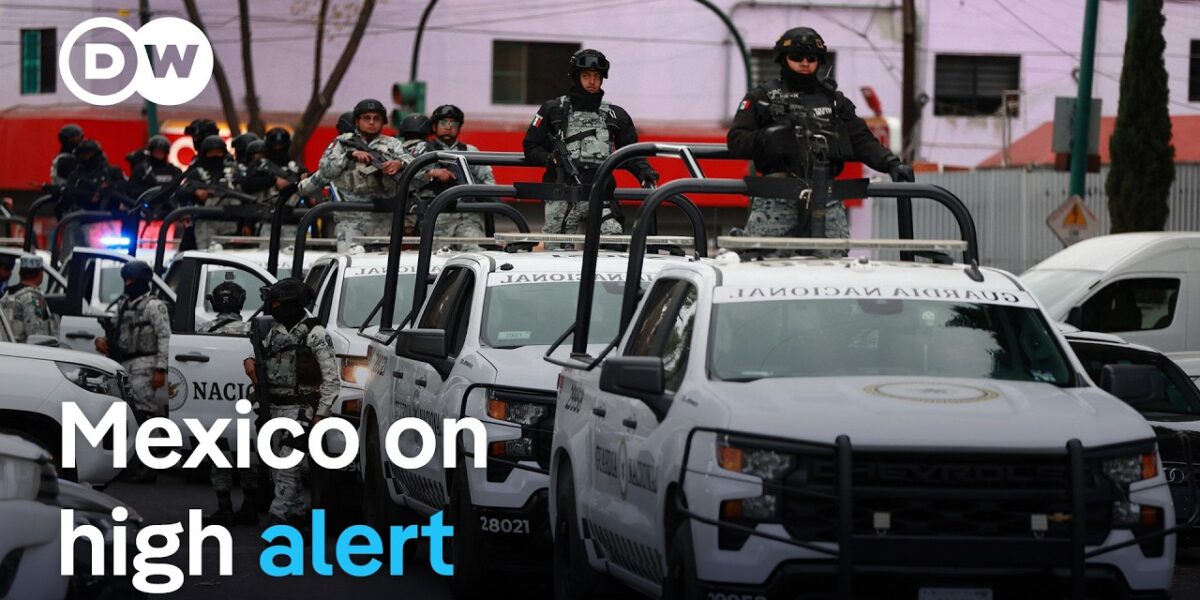
Mexico Paralyzed by Cartel Retaliation Following Notorious Leader’s Death
Mexico is reeling from an unprecedented wave of violence that has swept across the nation, disrupting daily life and paralyzing key sectors after the death of Nemesio Oseguera Cervantes, widely known as “El Mencho.” The charismatic and ruthless leader of the Jalisco New Generation Cartel (CJNG), one of the most powerful and violent criminal organizations in the world, was reportedly killed during a military operation. His demise has triggered immediate and widespread retaliation from his cartel, leading to the closure of airports, schools, and public transportation, and forcing residents into lockdown.
A Nation Under Siege: The Immediate Aftermath
The violence erupted within hours of the Mexican army’s operation that led to El Mencho’s capture and subsequent death. Reports indicate that cartel members, seeking revenge for the apprehension of their leader, initiated a series of arson attacks. Cars and businesses were set ablaze, and highways were blockaded with burning vehicles in numerous states across Mexico. The terrifying scenes prompted authorities to issue warnings for residents to stay indoors, creating an atmosphere of fear and uncertainty.
“Look, now we’re scared. We only go out when it’s necessary because people don’t know whether to go out or what to do,” a resident expressed, highlighting the palpable fear gripping communities. The U.S. Embassy in Mexico City issued an urgent warning for American citizens in affected areas to shelter in place, underscoring the severity of the situation. The disruption extended to international travel, with dozens of U.S. and Canadian flights to Mexico being canceled, further isolating affected regions and impacting tourism and business.
El Mencho: Architect of a Global Criminal Empire
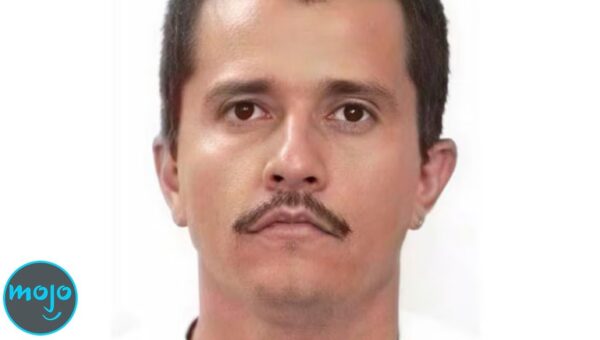
Nemesio Oseguera Cervantes, “El Mencho,” was a figure of immense notoriety. He was not only one of Mexico’s most wanted criminals but also featured on the U.S. Drug Enforcement Administration’s (DEA) most wanted list, with a $15 million bounty on his head. Mexican officials stated that El Mencho sustained serious injuries during the military raid and tragically died while being airlifted to a hospital. His death marks a significant, albeit violent, blow to the CJNG, a cartel that has grown exponentially in power and influence over the past decade.
The CJNG, under El Mencho’s leadership, evolved beyond traditional drug trafficking. The organization is implicated in a wide array of illicit activities, including extortion, the exploitation of natural resources, and even sophisticated real estate scams. Recent reports highlighted the cartel’s alleged involvement in the murders of environmental land defenders, a grim testament to their reach and brutality. Furthermore, the cartel has been a major player in the trafficking of fentanyl and cocaine into the United States, a key focus of U.S. law enforcement efforts.
A Cartel Beyond Drugs
The Jalisco New Generation Cartel is widely considered the most powerful cartel in Mexico and one of the most formidable in the world. Its operations are diverse and far-reaching. Beyond the lucrative drug trade, the CJNG has demonstrated a capacity for extreme violence and intimidation, often targeting those who stand in their way, including activists, journalists, and rival gangs. Their involvement in environmental exploitation, such as illegal mining, and complex financial crimes like real estate fraud, showcases a sophisticated and adaptable criminal enterprise.
The cartel’s alleged involvement in a multi-million dollar real estate scam targeting U.S. retirees in the Jalisco and Nayarit regions, which led to recent prosecutions, illustrates their insidious reach into international markets and their exploitation of vulnerable populations. This multifaceted criminal network underscores the complexity of the challenge Mexico faces in combating organized crime.
The U.S. Connection and Shifting Strategies
The killing of El Mencho is viewed by many as a direct result of increased pressure from the U.S. administration on Mexico to more aggressively combat drug trafficking, particularly concerning cocaine and fentanyl. The U.S. has provided intelligence to aid Mexican special forces in operations against cartels, signaling a deepening of bilateral cooperation in the fight against transnational organized crime. The apprehension and death of El Mencho could be interpreted as a success for these joint efforts, though the ensuing violence demonstrates the cartel’s resilience and capacity for retaliation.
Life Under Threat: Journalist’s Perspective
Anducia Kal Solaf, a journalist based in Tepoztlán, Morelos, just outside Mexico City, provided a firsthand account of the unfolding crisis. “The day is just starting, so fortunately that we don’t know of any violent incidents yet, but uh, here where I am, which is a small town outside Mexico City, schools are closed,” she reported. The closures extended to the entire state and approximately 20 other states as a precautionary measure to keep people off the streets and highways.
Kal Solaf described the widespread road blockades, where buses and large vehicles were hijacked and set ablaze. “When these buses are are set on fire, that means that the people that were on that bus had to get off, don’t have a way to get home, uh, and then also, of course, everyone that is going by, uh, is subject to these very frightening images and don’t know how they will get home,” she explained. The fear of ongoing violence meant that many businesses remained closed, with residents anticipating further disruptions.
El Mencho’s Elusiveness
El Mencho, unlike other high-profile cartel leaders such as Joaquín “El Chapo” Guzmán, maintained a lower public profile. He was known for his extreme caution, reportedly changing his sleeping location every two days and utilizing a network of safe houses and even caves. Rumors suggested he suffered from a serious kidney condition, requiring him to be on dialysis, and that he hid with his medical equipment to evade capture. For years, the Mexican government struggled to apprehend him, a testament to his cunning and the extensive resources at his disposal.
His apprehension and subsequent death, therefore, came as a shock. The narrative of a shootout during the capture, followed by his death during transport, highlights the dangerous and volatile nature of operations against such powerful criminal figures. While his death may represent a significant victory, the immediate and violent reaction from the CJNG underscores the ongoing threat posed by this cartel and the deep-rooted challenges Mexico faces in its battle against organized crime.
Looking Ahead: The Future of CJNG and Mexican Security
The death of El Mencho undoubtedly creates a power vacuum within the CJNG. However, the cartel has proven to be a highly organized and adaptable entity, capable of continuing its operations even after the loss of key leaders. The coming weeks and months will be critical in determining how the cartel reorganizes, who emerges to fill the void, and whether the wave of violence subsides or escalates further. The incident also puts renewed focus on Mexico’s security strategy and its ability to dismantle powerful criminal organizations while protecting its citizens and maintaining public order. The international community, particularly the United States, will be closely watching developments, as the stability of Mexico and the flow of illicit drugs have profound global implications.
Source: El Mencho: Mexico shuts down as wave of violence sweeps country | DW News (YouTube)

Related Articles

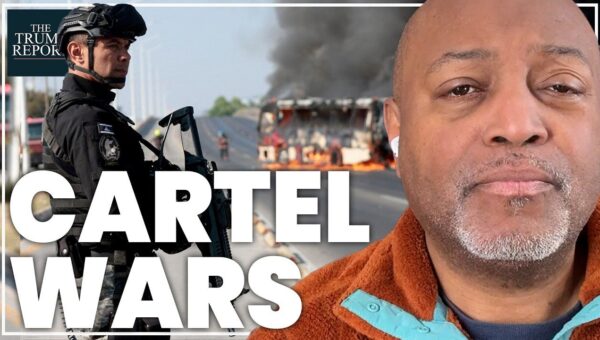
Mexico Cartel Violence Erupts After US-Aided Leader’s Death
A targeted operation against a top cartel leader, supported by US intelligence, has triggered a violent surge in Mexico. The killing of the CJNG leader has led to subordinate factions unleashing chaos, raising questions about US drug policy and the complex geopolitical landscape.

Mexico’s Cartel Chaos: El Mencho Raid Sparks Crisis
A decisive military raid on cartel leader El Mencho has plunged Mexico into chaos, triggering widespread retaliation and nationwide roadblocks. As President Claudia Sheinbaum grapples with restoring order amidst escalating cartel conflicts and the upcoming 2026 FIFA World Cup, the nation's future hangs in the balance.

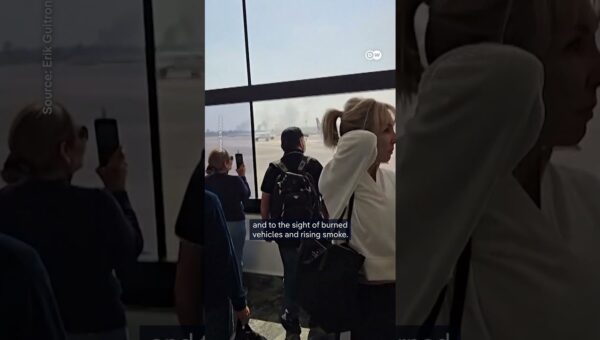
Fact Check: How Fake News Fueled Panic After El Mencho’s Death
False and misleading images, including AI-generated content, circulated widely following the reported death of cartel leader 'El Mencho', fueling panic and fear in Mexico. Fact-checking revealed that viral videos of airport chaos and city-wide destruction were largely fabricated, highlighting the dangers of disinformation during crisis moments.