Cartel Chaos Erupts in Mexico Following Killing of CJNG Leader El Mencho
The killing of notorious CJNG leader El Mencho has triggered a wave of violence across Mexico, with retaliatory attacks targeting the National Guard and raising concerns about cartel fragmentation or consolidation. Experts analyze the complex operation, succession challenges, and the evolving inter-cartel alliances.

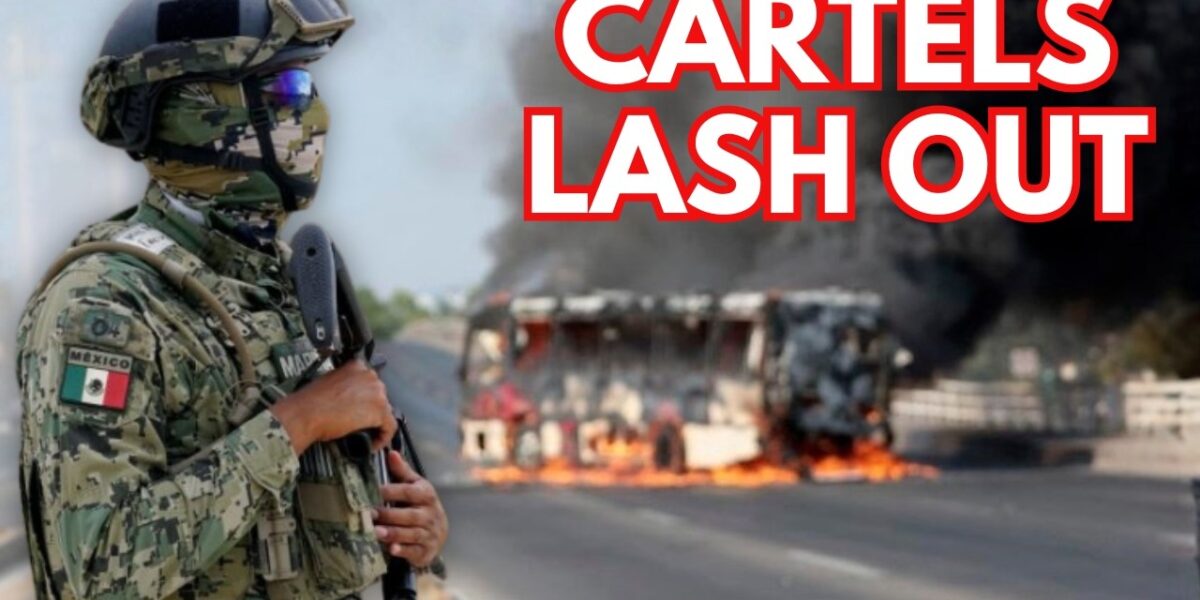
Cartel Chaos Erupts in Mexico Following Killing of CJNG Leader El Mencho
Mexico was plunged into a new wave of cartel-driven violence following the confirmed killing of Nemesio Oseguera Cervantes, widely known as “El Mencho,” the notorious leader of the Jalisco New Generation Cartel (CJNG). The operation, reportedly a Mexican-led initiative with U.S. intelligence support, has sent shockwaves across the country, triggering retaliatory attacks and raising critical questions about the future of cartel power dynamics in Mexico and its implications for regional stability.
Operation El Mencho: A Mexican-Led Initiative with U.S. Support
Details emerging from the operation reveal a complex inter-agency effort. While the United States provided crucial intelligence support, the offensive itself was carried out by Mexican government forces. Stefano Rittendale, Chief Intelligence Officer at Arttorius and an expert tracking cartel activities, emphasized that the operation was “100% a Mexican-led operation.” He suggested with high certainty that the unit conducting the raid was one of the “vetted units” trained, equipped, and supported by U.S. agencies like the FBI, DEA, and HSI. These vetted units undergo rigorous background checks to ensure they are not compromised by cartel influence, allowing for a more coordinated and effective approach to combating organized crime.
The U.S. government has maintained a clear message, underscoring Mexico’s lead in the operation. However, Rittendale highlighted that the U.S. involvement was more than just passing intelligence; it was an in-depth, coordinated effort that enabled the successful neutralization of El Mencho. While official casualty figures from the operation itself remain unconfirmed by the Mexican government, initial reports suggest some Mexican soldiers may have sustained injuries, though no government losses have been definitively reported from the raid itself.
Retaliation and Rising Casualties: The National Guard Under Fire
The immediate aftermath of El Mencho’s death saw a surge in retaliatory violence, with the CJNG specifically targeting members of the Mexican National Guard. Rittendale noted that numerous videos circulating online depict targeted attacks and ambushes against National Guard soldiers. This has led to a significant increase in casualties, making it potentially one of the bloodiest periods for the National Guard in recent memory. The National Guard, with its more visible and consistent presence in urban areas for day-to-day security operations, has become a more accessible target for cartels seeking to send a message to the federal government.
Unlike the Mexican military, which often serves as a rapid response force with rotating deployments, the National Guard maintains a longer-term, more prominent operational footprint. This makes them a strategic target for cartels aiming to disrupt government efforts and demonstrate their capacity for reprisal. The ongoing violence, even if on a lesser scale than the initial retaliatory wave, underscores the persistent threat posed by the CJNG and the challenges facing Mexican security forces.
A Calculated Escalation: Understanding CJNG’s Response
The scale and geographic spread of the narco-blockades and attacks that followed El Mencho’s death were unprecedented, painting a clear picture for intelligence analysts like Rittendale. The initial narco-blockades, a common tactic used by cartels to obstruct law enforcement and facilitate escapes, began in Jalisco. However, the violence quickly spread to Puerto Vallarta, and then to Michoacán, indicating a coordinated effort far beyond a localized operation. The spread to Tamaulipas, bordering the United States, and across multiple CJNG strongholds like Aguascalientes, Colima, Zacatecas, and Guanajuato, signaled a nationwide mobilization.
This widespread disruption, Rittendale explained, typically serves to overwhelm security forces and allow key figures to escape. However, the continuation and intensification of violence even after confirmation of El Mencho’s death suggested a deeper motive. Unlike previous incidents where violence subsided upon the capture or death of a leader, the CJNG’s response indicated a desire for revenge and a determination to project strength in the face of losing their founder.
Rittendale theorizes two primary reasons for this sustained retaliation: a “rallying around the flag” effect to unite the cartel after losing its central figure and a strategic effort to re-establish deterrence. By demonstrating their capacity for widespread violence, the CJNG aims to signal that no cartel member is beyond the reach of the government, thereby forcing a recalibration of the unofficial rules of engagement between cartels and authorities. This is particularly relevant given the U.S.’s increasing involvement and the potential for more direct intervention if Mexico fails to adequately address the threat.
The Future of CJNG: Succession and Fragmentation Concerns
The killing of El Mencho presents the most significant test for the Jalisco New Generation Cartel since its inception approximately a decade ago. Rittendale identified “03,” described as El Mencho’s right-hand man and overseer of daily operations, as a potential successor. However, he cautioned that “03” may not command the same level of loyalty or control over armed factions as key regional leaders like “El Apo” (operating in Zacatecas and Jalisco) and “El Cardino” (based in Jalisco and Nayarit, with an alliance with Los Chapitos). For “03” to consolidate power, he would likely need the agreement of these influential lieutenants.
The possibility of internal disagreement and fragmentation looms large. “El Cardino,” with his significant influence in the cartel’s heartland and his key role in the alliance with Los Chapitos, is seen as a potential spoiler. The CJNG’s future hinges on whether a cohesive leadership can emerge or if the cartel will splinter, leading to increased internal conflict and a redrawing of the criminal landscape in Mexico.
El Mencho’s family members have historically managed logistics and finances, not the combat operations, making their ascension to leadership unlikely. Rittendale underscored that the CJNG, now considered the most powerful criminal organization globally with a presence in over 40 countries and dominance over the cocaine trade, faces an existential challenge. The continuity of its operations, particularly its ability to flood markets in the U.S. and Europe with cocaine, will be determined in the coming weeks and months.
Inter-Cartel Dynamics: The Rise of Duopolies and Shifting Alliances
The elimination of El Mencho and the ensuing chaos have significant implications for other cartels. Rittendale dismissed the notion of cartels merging against the government, comparing it to Coca-Cola and Pepsi merging. Cartels are primarily businesses focused on profit, and their primary rivals are other cartels competing for territory and trafficking routes, not the government itself, which they often corrupt to facilitate their operations.
Instead, Rittendale points to the emerging trend of a “duopoly” driven by significant alliances. The alliance between the CJNG and Los Chapitos (Sinaloa Cartel faction) is seen as a pivotal development, potentially shaping a new era of cartel operations. This has led to a landscape where cartels are increasingly forced to align with one of two major blocs: the CJNG-Chapitos alliance or the Mayo Zambada-led faction of the Sinaloa Cartel, which includes figures like Mito Flaco and “El Cholo.” This division creates a binary choice for smaller groups, mirroring a “high school dodgeball” scenario where sides must be chosen.
While the death of a leader like El Mencho can be a significant blow, Rittendale argues that as long as the organization can continue to operate and agree on a new leader, its core business remains intact. The primary threat to their operations comes not from law enforcement dismantling them, but from rival cartels seizing their territories and routes.
Geopolitical Implications and the U.S. Factor
The timing of the operation is also a critical factor. Rittendale suggests that political pressure from the Trump administration likely played a key role, presenting Mexico with a stark choice: either pursue El Mencho or face potential U.S. intervention. The U.S. government’s decision not to inform the Mexican government directly when capturing Ovidio Guzmán López (son of El Chapo) two years prior, as highlighted by Rittendale, signaled a lack of trust in Mexico’s ability or willingness to handle such high-profile captures. The current operation, led by Mexico but with U.S. intelligence, could be seen as a response to this pressure, aiming to preempt direct U.S. military action within Mexico.
The killing of El Mencho serves as a stark warning to all cartel leaders, including those within the Sinaloa Cartel, the Gulf Cartel, and the Northeast Cartel. It demonstrates that no figure is beyond the reach of targeted operations, even in the face of potential government corruption. Rittendale emphasizes that while corruption exists at all levels of the Mexican government, the decision to pursue El Mencho may have been a calculated move to maintain a working relationship with the U.S. and prevent more drastic U.S. actions, such as drone strikes.
As Mexico grapples with the immediate fallout of El Mencho’s death, the coming weeks and months will be crucial in determining the long-term stability of the CJNG, the broader cartel landscape, and the ongoing fight against organized crime in the region. The situation remains fluid, with the potential for further violence, leadership struggles, and shifting alliances that will undoubtedly shape the future of drug trafficking and security in Mexico and beyond.
Source: Cartel Chaos: What Comes Next In Mexico? (YouTube)

Related Articles

Mexico Cartel Violence Erupts After US-Aided Leader’s Death
A targeted operation against a top cartel leader, supported by US intelligence, has triggered a violent surge in Mexico. The killing of the CJNG leader has led to subordinate factions unleashing chaos, raising questions about US drug policy and the complex geopolitical landscape.

Mexico’s Cartel Chaos: El Mencho Raid Sparks Crisis
A decisive military raid on cartel leader El Mencho has plunged Mexico into chaos, triggering widespread retaliation and nationwide roadblocks. As President Claudia Sheinbaum grapples with restoring order amidst escalating cartel conflicts and the upcoming 2026 FIFA World Cup, the nation's future hangs in the balance.

Fact Check: How Fake News Fueled Panic After El Mencho’s Death
False and misleading images, including AI-generated content, circulated widely following the reported death of cartel leader 'El Mencho', fueling panic and fear in Mexico. Fact-checking revealed that viral videos of airport chaos and city-wide destruction were largely fabricated, highlighting the dangers of disinformation during crisis moments.