Capitol Riot Echoes: A Veteran’s Tragic Death
The death of Ashli Babbitt during the January 6th Capitol riot remains a point of intense debate. Accounts differ on the circumstances, highlighting conflicting views on the use of force and the nature of the protest. Her story underscores the deep divisions within American society.

Capitol Riot Echoes: A Veteran’s Tragic Death
The events of January 6th, 2021, at the U.S. Capitol remain a raw wound in American memory. While many recall the chaos and the push against law enforcement, the story of Ashli Babbitt, a veteran who died that day, adds a somber and complex layer to the narrative. Her death, a point of contention and debate, forces us to confront difficult questions about protest, security, and the use of force.
A Moment of Chaos, A Life Lost
Ashli Babbitt was a 35-year-old Air Force veteran. She was among the crowd that breached the Capitol building on January 6th. During the attempt to enter a secured area, she was shot and killed by a Capitol Police officer. The exact circumstances surrounding the shooting have been heavily debated, with different accounts emphasizing various details.
Conflicting Accounts of the Incident
Some witnesses and participants in the events of January 6th describe Babbitt as unarmed and attempting to climb through a broken window. They argue that her actions did not warrant lethal force, comparing it to someone breaking into a home.
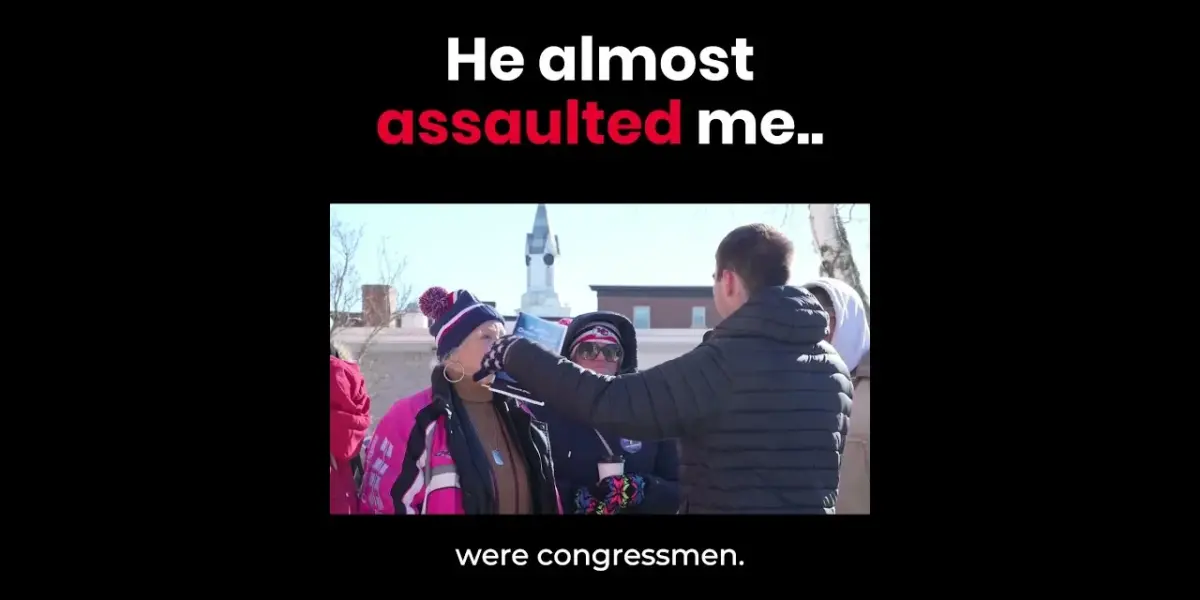
“She was unarmed. So, if I’m breaking into your house through your window, would you shoot me?”
This perspective highlights the perceived proportionality of the response. Those who share this view often point to Babbitt’s veteran status as adding to the tragedy.
The Officer’s Perspective and Justification
On the other hand, official accounts and those present in the secured area describe a different scene. They emphasize that Babbitt was part of a violent mob attempting to breach a barricaded door. Behind that door were members of Congress, including then-Vice President Mike Pence. The officer who fired the shot was protecting those inside from what he perceived as an imminent threat.
“To be fair should never have been. Well, she was a veteran and she was breaking through a window which behind the window were congressmen.”
This viewpoint stresses the dangerous situation and the need for immediate action to prevent further violence or harm to elected officials. The argument is that the context of a violent mob attempting to breach a secured area, with lawmakers inside, justifies the use of lethal force to protect lives.
A Lingering Question: Was it Justified?
The question of whether the shooting of Ashli Babbitt was justified remains a deeply divisive issue. Supporters of Babbitt often see her as a victim of an overzealous response, a symbol of what they view as government overreach. They focus on her unarmed status and her actions as simply trying to enter a space.
Conversely, those who defend the officer’s actions emphasize the chaotic and dangerous environment. They argue that Babbitt’s actions, regardless of whether she was armed, posed a clear and present danger to those inside the Speaker’s Lobby. The presence of a mob, the sounds of breaking glass, and the attempt to breach a secured area created a tense and volatile situation.
Broader Implications and Historical Context
The death of Ashli Babbitt is more than just an isolated incident; it is a stark illustration of the intense divisions within the United States. It highlights the different interpretations of events and the deep mistrust that exists between various groups. The January 6th Capitol attack itself was a pivotal moment, challenging democratic norms and institutions.
This event, and the discussions surrounding Babbitt’s death, are part of a larger pattern of political polarization. Understanding this requires looking back at periods of intense national division, though the specific nature of political protest and its consequences continue to evolve with modern communication and social dynamics.
Why This Matters
The story of Ashli Babbitt’s death matters because it forces a confrontation with the human cost of political extremism and civil unrest. It underscores the critical importance of clear communication and unbiased reporting in understanding complex events. Furthermore, it raises essential questions about the rules of engagement for law enforcement during protests and the balance between the right to protest and the need for security.
The differing narratives surrounding her death reflect broader societal disagreements about truth, justice, and the application of law. Without a shared understanding of facts, finding common ground becomes increasingly difficult. The lingering questions about this incident continue to fuel debate and shape perceptions of the events of that day.
Future Outlook
The legacy of January 6th, including the tragic death of Ashli Babbitt, will likely continue to be debated and analyzed for years to come. As the nation moves forward, lessons learned from such events are crucial for preventing future violence and fostering a more stable political climate. The intensity of the discourse surrounding Babbitt’s death suggests that the divisions it represents are far from healed.
Moving forward, a commitment to factual reporting and respectful dialogue is essential. Understanding the perspectives of all involved, even when disagreeing, is key to navigating these complex issues. The goal must be to learn from the past to build a more unified and secure future for all Americans.
Source: This Was Insane… (YouTube)

Related Articles

Government Shifts Focus: Is This a New Era of Surveillance?
A $500 million plan for a new domestic terrorism unit has sparked debate. Critics fear it could lead to surveillance of left-leaning individuals, despite statistics showing right-wing extremism as a larger threat.

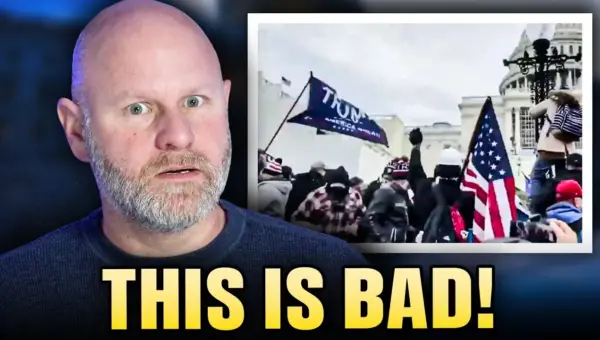
Pardoned Rioters Re-Offend, Exposing Pardon Power’s Dark Side
A New York Times report reveals that numerous individuals pardoned for their involvement in the January 6th Capitol riot have since committed new crimes. This pattern of re-offending raises serious questions about the use of presidential pardons and their impact on public safety and the rule of law.


GOP Senator Sets Bar for Trump’s AG Pick
Senator Tom Tillis has introduced a new condition for Trump's next Attorney General nominee: a clear rejection of any excuses for the January 6th Capitol attack. This stance challenges potential candidates like Todd Blanch and Lee Zeldon, who have previously expressed views questioning the 2020 election results or Trump's role on January 6th. The outcome could significantly impact Trump's ability to secure key positions.