Canadian Banks: Sales Culture Undermines Client Interests
Concerns are mounting over the financial advice provided by Canada's big banks, with research suggesting sales culture may compromise client interests. Investigations reveal pressure on advisors to sell products, leading to suboptimal recommendations and potential knowledge gaps.

Canadian Banks Under Scrutiny for Sales Practices
Investigative journalism, regulatory reviews, and academic research in Canada are raising significant concerns about the quality of financial advice offered at retail bank branches. A growing body of evidence suggests that the sales culture prevalent in major Canadian banks may be prioritizing the sale of profitable products for the institution over the best interests of their clients. This can lead to Canadians being steered towards suboptimal, high-fee investment products, often from salespeople with limited expertise in comprehensive financial planning.
CBC Investigation Reveals Sales Pressure
A March 2024 investigation by CBC News highlighted instances where customers at Canada’s five largest banks—TD, RBC, Scotia Bank, BMO, and CIBC—faced pressure to purchase financial products they did not need. Bank employees, reportedly under threat of job loss, were allegedly pushed to meet sales targets. This pressure resulted in questionable advice, such as recommending the bank’s own mutual funds or Guaranteed Investment Certificates (GICs) over paying down high-interest debt, misrepresenting the impact of mutual fund fees on investment returns, and upselling clients to more expensive financial products.
“The result is that bank employees were found to be giving questionable advice like telling people to invest in the bank’s mutual funds or GIC’s instead of paying off high-interest debt, misrepresenting the importance of mutual fund fees to expect investment outcomes, and upselling customers on more expensive financial products.”
While the CBC report focused on a relatively small sample, its findings prompted a more systematic review by the Ontario Securities Commission (OSC) and the Canadian Investment Regulatory Organization (CIRO). In November 2024, these regulators launched a voluntary, anonymous survey targeting mutual fund representatives working in bank-affiliated branches across Ontario. The survey, completed by 2,863 respondents, aimed to assess the sales environment, pressure, product availability, and knowledge levels of these representatives.
Regulatory Survey Exposes Widespread Concerns
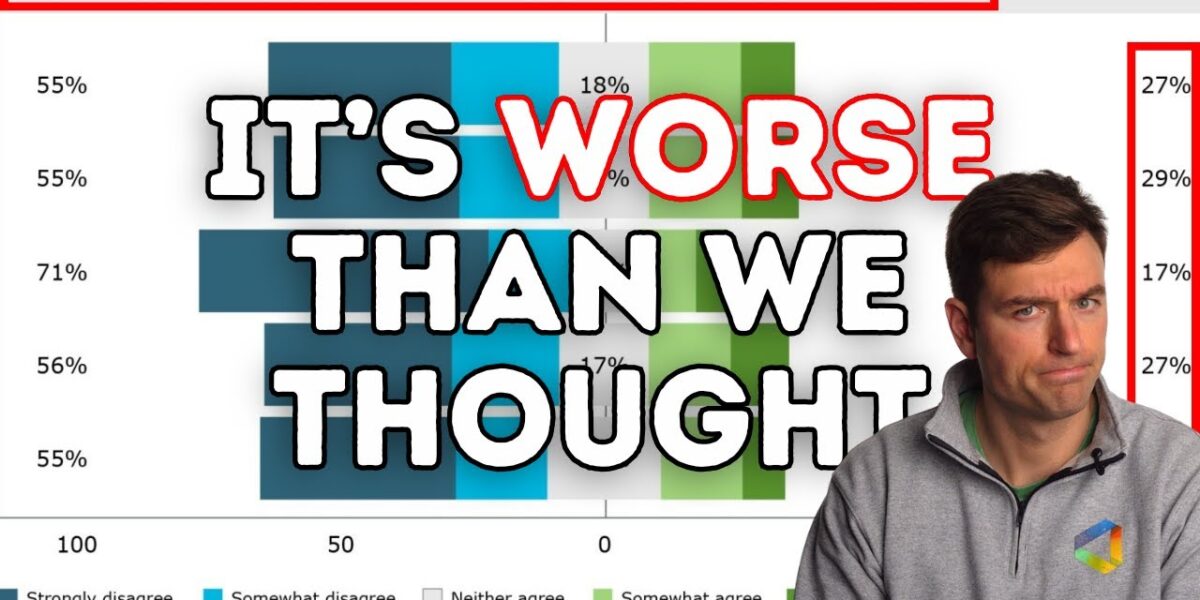
The comprehensive survey results indicated that the issues were not isolated to specific banks or regions, suggesting broader implications across the Canadian banking sector. Key findings from the survey painted a concerning picture:
- Compensation Incentives: 32% of representatives agreed that their compensation structure places more value on sales volume than on the quality of advice. A significant portion (34%) agreed that compensation incentives could lead them to prioritize sales and revenue targets over client interests.
- Sales Pressure: 68% of representatives reported experiencing sales pressure at least sometimes, with 35% experiencing it often or always. 44% agreed there is a fear of job loss for failing to meet sales targets.
- Suboptimal Recommendations: 23% of representatives agreed that there is high pressure to sell potentially unneeded products. Alarmingly, 25% indicated that clients had been recommended products or services not in their best interests at least sometimes.
- Concerns Unaddressed: 55% of respondents had concerns related to sales pressure at least sometimes, but many were reluctant to voice them due to fear of reprisal. Of those who did raise concerns, 43% reported that their issues were rarely or never addressed.
Limited Product Offerings and Knowledge Gaps
Beyond direct sales pressure, the survey revealed limitations in the product offerings available to bank-affiliated representatives. 78% of representatives stated their existing product range met client needs, yet nearly half acknowledged that clients would benefit from access to a broader selection of mutual funds, including those from external providers. This restriction often means clients are limited to the bank’s own mutual funds, which are frequently high-fee, actively managed products.
Furthermore, the survey highlighted potential knowledge gaps among representatives. While 80% believed their peers were sufficiently knowledgeable, one-third reported that clients sometimes received incorrect information about recommended products. Critically, 23% of representatives could not correctly define a Management Expense Ratio (MER), a fundamental metric for understanding mutual fund costs.
Academic Research Corroborates Findings
These findings align with existing academic research. A 2018 study published in the Review of Financial Studies analyzed data from a large retail bank and found that transactions initiated by bank advisors were more profitable for the bank than independently executed trades by the same clients. The study noted that the bank’s own mutual funds and structured products were the most profitable. Crucially, the research indicated that bank-advised clients experienced worse performance compared to unadvised clients, suggesting a prioritization of the bank’s interests.
Another academic paper, “The Misguided Beliefs of Financial Advisors” (Journal of Finance, 2021), examined a Canadian sample and found that financial advisors often replicate their own suboptimal investment behaviors—such as excessive trading, chasing past returns, favoring expensive actively managed funds, and under-diversification—in their clients’ portfolios. The study suggested that these advisors genuinely believed in the flawed advice they provided, indicating that conflicts of interest are only part of the problem and underscoring the need for higher educational standards.
Market Impact and Investor Considerations
What Investors Should Know
The confluence of regulatory findings and academic research presents a clear message for Canadians seeking financial advice from their banks. The incentive structures and sales culture within these institutions can create conflicts of interest that may lead to recommendations not aligned with the client’s best financial outcome. Investors should be aware that:
- Sales Pressure is Real: A significant percentage of bank-employed financial representatives feel pressure to sell products, potentially leading to recommendations that are not in the client’s best interest.
- Product Limitations Exist: Bank advisors may be restricted to offering a limited range of products, often favoring the bank’s own higher-fee funds.
- Knowledge Varies: While some advisors are highly competent, gaps in fundamental financial knowledge, such as understanding MERs, can exist, impacting the quality of advice.
- Fiduciary Duty is Not Assumed: Not all financial advisors are legally required to act as fiduciaries (i.e., in your absolute best interest). Representatives selling mutual funds typically operate under a suitability standard, which is less stringent than a fiduciary duty.
Long-Term Implications for Investors
For investors, the long-term implications of receiving suboptimal advice can be substantial. Consistently investing in high-fee products can erode returns over time due to the compounding effect of expenses. For instance, a 1% difference in annual fees on a $100,000 portfolio could amount to a difference of nearly $100,000 over 20 years, assuming moderate growth. Furthermore, recommendations to hold unnecessary debt or invest in poorly performing assets can hinder wealth accumulation and financial goal achievement.
Seeking Higher Quality Advice
The analysis suggests that investors seeking more client-aligned advice should look beyond the minimum regulatory credentials. Professional designations such as the Chartered Financial Analyst (CFA) or Certified Financial Planner (CFP) often require rigorous training, adhere to strict ethical standards, and involve ongoing education. These credentials, coupled with a firm that operates under a fiduciary standard and whose compensation is not tied to product sales, can help mitigate conflicts of interest.
Firms employing portfolio managers, who are generally held to a higher legal standard than mutual fund representatives, and who utilize low-cost investment products, are often better positioned to prioritize client interests. Independent certification, such as that provided by the Center for Fiduciary Excellence, can offer an additional layer of assurance for consumers.
While the issues highlighted stem from systemic factors within large banks, the presence of well-qualified and ethically-minded advisors within these institutions cannot be entirely dismissed. However, investors must exercise due diligence, understand the potential conflicts inherent in the bank-branch advisory model, and seek out advisors and firms demonstrably committed to placing client interests first.
Source: Bank Financial Advice (YouTube)

Related Articles


Beyond Savings: Investing in Real Estate to Beat Inflation
Saving money is crucial, but simply accumulating cash risks losing value to inflation. This article explores how strategic real estate investment can serve as a powerful hedge against inflation, ensuring your wealth grows in real terms.


Frugality vs. Financial Prudence: Experts Decode Social Media Money Advice
Financial experts dissect popular social media money advice, distinguishing between prudent saving and extreme frugality. The discussion covers investment strategies, housing affordability, and the importance of mindful spending on what truly brings value.


Are Cars the Dumbest Purchase? Experts Weigh In
A provocative argument suggests that cars are often the 'dumbest' purchase due to their status-driven costs, urging buyers to opt for affordable, used vehicles bought outright in cash. This strategy prioritizes wealth building over depreciating assets and the 'flex' factor often associated with automotive choices.