Canada, Russia Challenge US Blockade on Cuba
Canada and Russia are set to directly challenge the US blockade on Cuba with humanitarian aid and a vital fuel shipment, respectively. The move highlights a potential diplomatic and military collision as the US faces a dilemma between enforcing its blockade and risking global escalation.

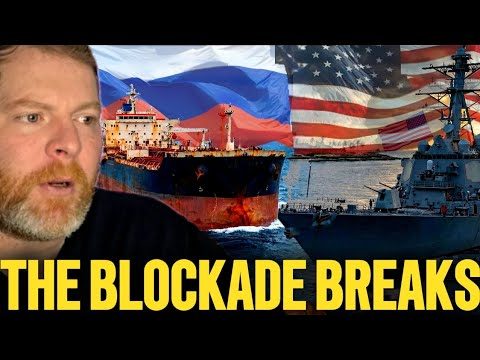
Canada and Russia Prepare to Circumvent US Blockade of Cuba
In a significant geopolitical development, Canada and Russia are poised to directly challenge the United States’ long-standing economic blockade of Cuba. This move comes as Cuba faces severe fuel shortages and rolling blackouts, a situation the transcript asserts is not merely administrative failure but a direct consequence of American foreign policy. The international community, particularly Canada and European nations, perceives the blockade as a deliberate effort to starve the Cuban population, exacerbating a humanitarian crisis just 90 miles from Florida’s coast.
Canada’s Humanitarian Intervention
Canada has announced a substantial humanitarian foreign aid package for Cuba, a move that directly confronts the US blockade. Canadian Foreign Minister Anita Anand stated that Canada must intervene to prevent a disaster stemming from American foreign policy. This action positions Canada, a major trading partner and ally of the United States, in direct opposition to Washington’s strategy. The transcript suggests that the US is largely powerless to retaliate economically against Canada due to recent Supreme Court rulings limiting the White House’s ability to impose tariffs unilaterally. This leaves the US administration in a difficult position, unable to leverage its typical economic weapons against its northern neighbor.
“Ottawa has essentially looked at America and says, ‘We’re not playing your nightmarish game anymore.'”
Russia’s Shadow Fleet and the Impending Fuel Delivery
Adding another layer of complexity, Russia has dispatched a tanker, identified as the Seahorse, carrying approximately 200,000 barrels of diesel fuel to Cuba. This vessel is expected to arrive within days to weeks, potentially by late February or early March. The delivery is framed not just as a supply run but as a direct challenge to US naval authority in the Caribbean. The transcript highlights the dilemma facing the US Navy: either intercept the Russian vessel in international waters, risking a major international incident that could escalate into a global conflict, or allow the fuel to reach Cuba, thereby undermining the blockade and signaling its ineffectiveness.
The US Dilemma: Blockade Enforcement vs. Escalation
The US military faces a critical decision with potentially disastrous outcomes. Option A involves enforcing the blockade by intercepting the Russian tanker, seizing its cargo, and risking a confrontation with Russia that could have global repercussions. The transcript questions whether US leadership possesses the political will for such an escalation, especially so close to American shores and with numerous other global commitments stretching US resources thin. Option B entails standing aside and allowing the Russian fuel to reach Cuba. This scenario, deemed the more likely outcome by the transcript’s author, would effectively signal the death of the blockade and demonstrate that US naval threats are largely bluster.
“The US Navy is boxed into an impossible corner… Option A, the US Navy decides to enforce the blockade, intercept the Russian vessel in international waters, seize its cargo, and risk sparking off World War II for what is essentially a gas station run in the Caribbean. Does anyone actually believe the paralyzed bureaucrats in Washington DC actually have the stomach for that?”
Broader Geopolitical Implications
The situation in Cuba is presented as a microcosm of a shifting global order. The transcript argues that the US, spread thin by commitments in Iran, Mexico, Venezuela, Africa, and maintaining global bases, lacks the capacity and political capital to enforce its will unilaterally as it did in the 1990s. The international community, weary of what is described as aggressive US posturing, is increasingly defying American dictates. The EU has voiced concerns over international law violations, Canada is providing direct aid, and Russia is making a bold fuel delivery. This collective defiance suggests a decline in US hegemonic influence and a growing willingness among nations to chart independent foreign policy courses.
Ignorance of the American Public
A key point emphasized is the disparity in awareness between the American public and the rest of the world. The transcript contends that the US media sanitizes the narrative, presenting the Cuban crisis as an internal administrative issue rather than a US-induced humanitarian crisis. This lack of awareness, it is argued, allows the US government to maintain support for policies like the blockade and justify its substantial military budget. The author suggests that informing the American populace about the true nature of the blockade and its consequences is crucial for fostering a more informed public discourse.
Looking Ahead
The coming days and weeks will be critical in observing how the United States responds to these direct challenges. The arrival of the Russian tanker and the continued implementation of Canada’s aid package will test the resolve and capabilities of US foreign policy. The world is watching to see if the US will risk global conflict over the blockade or acknowledge the changing geopolitical landscape and the limitations of its power. The outcome will likely shape future international responses to US-led sanctions and blockades, potentially signaling a new era of diminished American unilateralism.
Source: CANADA & RUSSIA WILL BREAK THE US BLOCKADE: (The Cuba Crisis) (YouTube)

Related Articles
Geopolitical Turmoil Bolsters Bitcoin Amidst ETF Inflows
Geopolitical tensions and strong Bitcoin ETF inflows are creating a resilient market. Analysts point to exhausted sellers and the potential for capital rotation into crypto, while regulatory clarity on the Clarity Act could unlock significant institutional investment.

Trump Threatens “Unseen” Force on Iran After Leader’s Death
Following the assassination of Supreme Leader Ayatollah Ali Khamenei, U.S. President Donald Trump has vowed to unleash unprecedented force on Iran. While outlining ambitious goals including regime change, experts express skepticism about the effectiveness of airstrikes and the potential for popular uprising against a resilient Iranian government.
Senator Coons Questions Trump’s Iran Strategy After Troop Deaths
Senator Chris Coons has sharply criticized President Trump's strategy in Iran following the deaths of three U.S. service members. Coons questioned the intelligence regarding Iran's nuclear proximity and the lack of clear strategy and congressional debate for the "war of choice."