Canada Charts New Course, Challenges US Economic Ties
Canada is actively strengthening its economy and forging new global partnerships, signaling a potential shift in its relationship with the United States. This move challenges US economic ties and highlights Canada's unified approach to national development. The US may face consequences from reduced resource exports and increased costs for key materials.

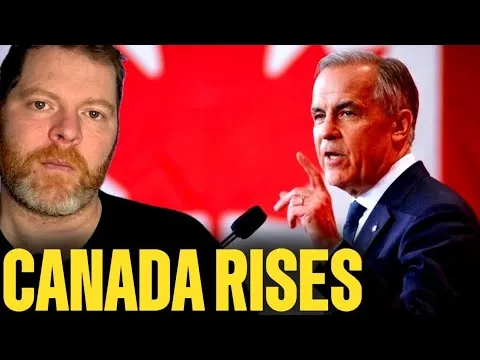
Canada Charts New Course, Challenges US Economic Ties
Canada is quietly building a new economic future, a move that challenges its long-standing relationship with the United States. While the US grapples with internal divisions, Canada is strengthening its own economy and forging new global partnerships. This shift is significant because the two nations are deeply connected, and Canada’s actions could have major effects on American industries and daily life.
The idea that the United States is an ‘indispensable nation’ is being questioned. Looking north to Canada, and across the Atlantic to the UK, reveals that close alliances are changing. The US has been focused on internal political fights, sometimes called ‘fighting for scraps.’ This has led to a neglect of its own economic foundation, described as a ‘collapsing roof.’ Meanwhile, Canada is actively building something new, a ‘new house,’ as the transcript puts it.
Canada’s Unified Approach
A key difference highlighted is Canada’s unified national message. Leaders there use language that brings people together, avoiding the name-calling and division seen in US politics. This unity is seen as a strength, leading to a 68% approval rating for figures like Mark Carney, compared to lower ratings for some US political leaders. This high approval isn’t just about popularity; it’s seen as a sign that the country is working together effectively.
“No, this is not the time for politics as usual, for petty differences, for political point scoring. United, we will build Canada strong. A Canada for all. A Canada strong that no one can ever take away.”
This approach encourages Canadians to support domestic products and services. Examples include choosing Canadian wine over Californian, or planning vacations within Canada instead of traveling to the US. This ‘Buy Canadian’ policy, where the government defaults to using Canadian suppliers, shows a commitment to building the nation’s own industries.
Economic Interdependence and Shifting Power
The economic ties between Canada and the US are extensive, making Canada’s moves strategically important. Canada is the largest foreign supplier of crude oil to the United States, providing about half of US oil imports. If Canada were to reduce or stop these oil exports, it could significantly disrupt the US transportation system and oil industry.
Similarly, Canada supplies a large portion of the softwood lumber used in US home construction. Tariffs on Canadian lumber have already driven up building costs in America. The US also relies heavily on Canada for aluminum, importing about 75% of its primary aluminum. This Canadian supply is crucial for US manufacturing, including the automotive and defense sectors, especially since the US lacks sufficient energy infrastructure to power its own smelters at that scale.
Canada’s Global Strategy
Canada is actively pursuing a strategy of economic independence and global reach. The country has announced 14 initiatives aimed at building its own industries and creating jobs. It aims to double its non-US exports over the next decade, expecting $300 billion in new orders for Canadian goods and services.
Furthermore, Canada’s new defense industrial strategy plans to attract half a trillion dollars in investment to boost its own industries, from aerospace to artificial intelligence. This is expected to create over 125,000 new jobs. The country has also formed 20 new economic and security partnerships across four continents in just one year.
US Self-Sabotage and Missed Opportunities
The analysis suggests that the US is caught in a cycle of self-sabotage, partly due to its political divisions. The ‘America First’ approach, as interpreted in the transcript, has sometimes led to alienating allies and neglecting the needs of its own working and middle classes in favor of the wealthy. This is contrasted with Canada’s focus on national preservation and building its own capabilities.
The reliance of American industries and lifestyle on Canadian resources and labor is often overlooked. The transcript argues that this dependence means American promises, like rebuilding the military or auto industry, are indirectly subsidized by Canadian workers and resources.
Global Impact and Future Scenarios
Canada’s pivot towards domestic strength and global diversification could reshape North American economic dynamics. The US middle class may feel the impact of losing export dollars if trade relations become strained. Canada’s actions demonstrate a model of functional leadership focused on national development and international cooperation, a stark contrast to perceived division and internal conflict in the US.
Future scenarios could see a more independent Canada playing a larger role on the global stage, potentially reducing its economic dependence on the US. For the US, this could mean facing higher costs for essential resources and a decline in certain industries. The transcript suggests that a significant portion of Americans view Canada positively, recognizing its stability and effective governance, and see it as a model to follow.
Historical Context
The relationship between the US and Canada has historically been one of close cooperation, built on shared geography and cultural ties. Both countries are members of key security alliances like NORAD and the Five Eyes intelligence-sharing network. However, past US administrations have sometimes strained this relationship with protectionist policies or rhetoric that suggested dominance over its northern neighbor. The current shift in Canada can be seen as a response to these historical tensions and a strategic move to ensure its own economic security and sovereignty in a changing world order.
Economic Leverage
Canada’s control over vital resources like oil and lumber gives it significant economic leverage over the US. The US’s reliance on these imports makes it vulnerable to supply disruptions. Conversely, US tariffs on Canadian goods, like softwood lumber, create economic pain for Canada but also increase costs for American consumers and industries. Canada’s strategy appears to be leveraging its resource wealth and industrial capacity to build its own economic resilience and expand its global trade network, reducing its vulnerability to US policy shifts.
Regional Alliances and Power Balances
The dynamic between the US and Canada highlights a shifting power balance in North America. While the US remains a global superpower, its internal political climate appears to be weakening its influence among allies. Canada, by contrast, is projecting an image of stability and proactive nation-building. This could lead to Canada strengthening its ties with other international partners and potentially assuming a more prominent role in global economic and security affairs, independent of US leadership.
Conclusion
Canada’s current approach represents a strategic effort to build national strength and economic independence. The transcript suggests that this is a direct response to perceived US political division and economic policies that have alienated allies. For the United States, this signifies a critical moment to re-evaluate its foreign policy and domestic priorities, as its closest neighbor charts a course that could significantly impact its own economic future and global standing.
Source: The End of America First: Canada’s Masterclass in Economic Populism (YouTube)

Related Articles

Iran Talks Collapse: US Blocks Strait, Escalates Tensions
Peace talks between the U.S. and Iran have collapsed over Iran's nuclear ambitions. In response, the U.S. Navy has initiated a blockade of the Strait of Hormuz, escalating tensions and threatening global oil supplies. This move follows Iran's refusal to meet key American demands.


US Navy Blockade of Strait of Hormuz: Power Play or Empty Threat?
President Trump has threatened a U.S. Navy blockade of the Strait of Hormuz after failed peace talks with Iran. While the U.S. possesses significant naval power, the narrow strait presents challenges, and Iran could retaliate by threatening oil supplies. The situation is described as dangerous brinkmanship in ongoing negotiations.

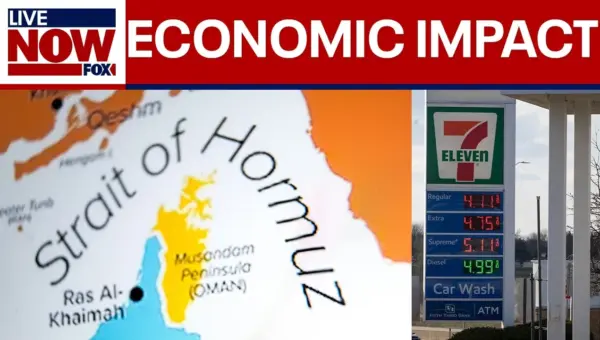
Trump Orders Strait of Hormuz Blockade, Risks Global Oil Shock
President Trump has ordered the U.S. Navy to blockade the Strait of Hormuz, a critical global oil transit point, sparking fears of soaring energy prices and inflation. This strategic move aims to exert pressure on Iran and China, while also addressing domestic economic concerns ahead of midterm elections.