Calls Mount to Oust Justices Amid Ethics Crisis
Calls are growing to impeach Supreme Court Justices Clarence Thomas and Samuel Alito over alleged ethical lapses involving luxury trips and undisclosed gifts from donors. The debate highlights the lack of mandatory ethics rules for the court and the crucial role of the upcoming Senate elections in shaping its future.

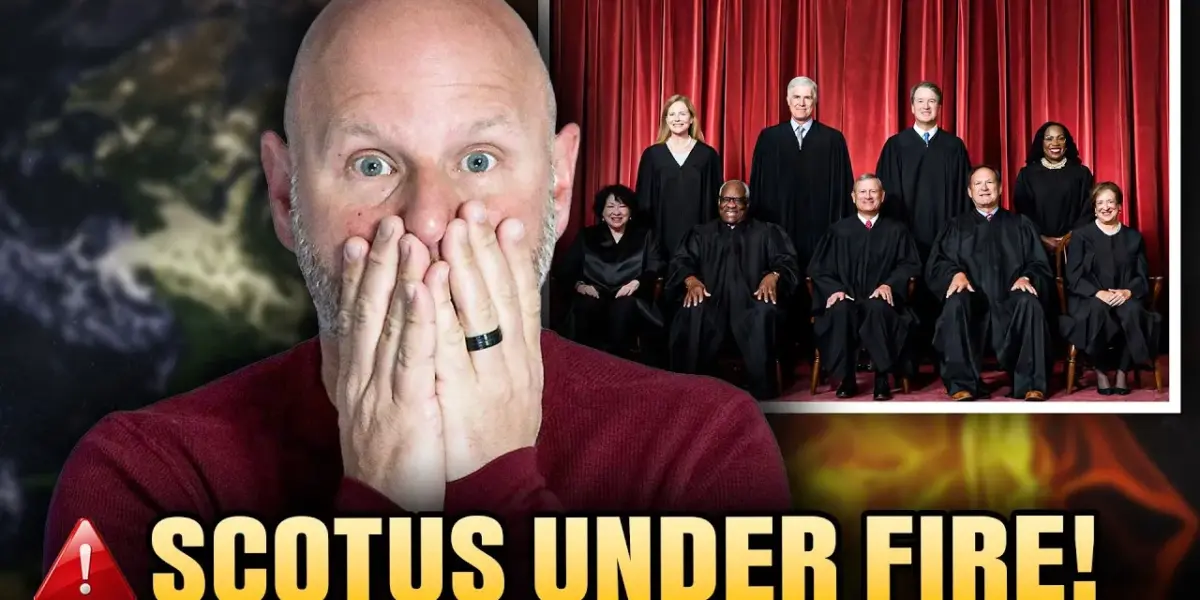
Supreme Court Justices Face Calls for Impeachment Over Ethics Concerns
The idea of removing Supreme Court justices from their positions is gaining attention, especially as questions arise about their ethical conduct. This discussion comes at a critical time, with upcoming elections potentially shifting the balance of power in Washington. The debate highlights deep divisions and concerns about the integrity of the nation’s highest court.
Allegations of Impropriety Surface
A recent political focus has been on Supreme Court Justices Clarence Thomas and Samuel Alito. Critics point to luxury trips and gifts received by these justices from individuals with business before the court. For instance, Justice Thomas reportedly accepted numerous luxury trips paid for by a wealthy donor, Harlon Crow. The concern is that Thomas did not step aside, or recuse himself, from cases that involved Crow’s interests. This situation raises questions about impartiality and potential conflicts of interest.
Similarly, Justice Alito is reported to have taken expensive trips funded by Paul Singer, a businessman whose legal matters have reached the Supreme Court. Like Thomas, Alito did not recuse himself from cases connected to Singer. These actions have fueled demands for accountability and investigation into the justices’ conduct.
The Ethics Quandary: Voluntary Rules and Accountability
A significant point of contention is the absence of a mandatory code of ethics for Supreme Court justices for most of American history. This lack of strict rules has been described as a major oversight. While the Biden administration introduced a code of ethics for the court in 2023, it is currently voluntary. This means justices are not required to follow it, leading critics to label it as ineffective and meaningless. The core issue remains: when ethical standards are not enforced, perceived corruption can still undermine public trust.
Corruption is corruption, no matter how you slice it. Whether or not you have to follow ethics doesn’t matter.
Impeachment as a Potential Consequence
In light of these ethical concerns, some political figures are openly calling for the impeachment of justices. A Democratic candidate, running in Maine, has suggested that if Democrats regain control of Congress, impeaching Supreme Court justices should be considered alongside impeaching other officials. This candidate specifically mentioned Justices Thomas and Alito as potentially facing impeachment proceedings. The process of impeachment in the U.S. involves the House of Representatives bringing charges and the Senate holding a trial to remove an official from office.
Beyond Impeachment: The Battle for the Senate
The conversation around impeachment is closely tied to the upcoming elections, particularly the Senate race. Some analysts argue that the most crucial battleground is the Senate, not just the House. This is because the Senate confirms Supreme Court nominations and has the power to remove justices through impeachment trials. If Democrats do not win a Senate majority, it is feared that a Republican president, such as Donald Trump, could appoint more conservative justices.
The concern is that these new appointments could be younger, more conservative judges who would serve for decades, further solidifying a conservative majority on the court. This scenario highlights the strategic importance of the Senate in shaping the future direction of the Supreme Court for generations to come. The approach of blocking nominations, similar to tactics used by Senate Majority Leader Mitch McConnell in the past, is being discussed as a potential strategy.
Why This Matters
The integrity and public perception of the Supreme Court are vital for a functioning democracy. When citizens lose faith in the impartiality of the court, it can erode respect for the rule of law. The current debates about ethics and potential impeachment reflect a broader concern about accountability for powerful public officials. The outcome of these discussions and the upcoming elections will likely have a lasting impact on the composition and perceived fairness of the Supreme Court.
Looking Ahead: The Future of the Court
The calls for accountability and the strategic importance of Senate control point to a future where the Supreme Court remains a central issue in American politics. The age of some justices and the possibility of future presidential appointments mean that the court’s ideological balance could shift significantly. Whether through impeachment or future nominations, the decisions made in the coming years will shape the court for decades. The public’s expectation for ethical conduct from its highest court will undoubtedly continue to be a driving force in these ongoing debates.
Source: Calls Grow To OUST Supreme Court Justices (YouTube)

Related Articles


Military Leaders Quietly Resist Illegal War Orders
Reports indicate that U.S. military leaders at CENTCOM are experiencing internal resistance to potentially illegal orders, particularly those involving civilian targets. This quiet pushback aims to prevent war crimes and uphold the law, drawing parallels to historical instances of military leaders safeguarding against presidential overreach. Impeachment efforts against Secretary of Defense Lloyd Austin have also emerged due to these concerns.


Tariffs Hurt Small Businesses Despite Court Ruling
Small businesses continue to face rising costs due to tariffs, despite a Supreme Court ruling meant to halt them. Owner Nneka Christiane details how these tariffs increase her business expenses and create supply chain issues. The lack of recourse for compensation leaves many entrepreneurs struggling.


Sheriff’s Ballot Seizure Halted by Court Order
The California Supreme Court has halted Sheriff Chad Bianco's probe into 650,000 ballots, raising concerns about political motives. The sheriff, running for governor, based his investigation on questionable data from a private group, despite election officials disputing the findings.