California’s Energy Woes Spark Fierce Debate
California's energy policies are under fire as a key offshore oil pipeline reopens. Congressman Darrell Issa criticizes the state's approach, citing national security risks and economic strain. The debate highlights the challenges of balancing environmental goals with energy independence.

California’s Energy Woes Spark Fierce Debate
A recent decision to reopen an offshore oil pipeline near Santa Barbara for the first time in a decade has ignited a heated discussion about California’s energy policies and their impact on the state’s economy. The pipeline, shut down in 2015 following an oil spill, is now back in operation, a move Congressman Darrell Issa sees as crucial for national security and energy independence.
Issa argues that the heavy crude oil produced offshore California is a specific type that the U.S. needs to import, even though the nation is a net oil exporter overall. He believes reopening the pipeline helps address this gap and supports national security. “The President’s doing this for very much national security reasons,” Issa stated, questioning whether the country truly wants to face energy problems by not producing needed oil.
The congressman also criticized California’s approach to energy, suggesting the state wants to benefit from energy production without fully supporting it domestically. “California wants to have their cake and eat it too,” he said. This includes relying on data centers outside the state that have access to power, borrowing electricity from other states, and importing the majority of its oil and gas. Furthermore, California’s unique gasoline blends, which are more complex to produce, will now need to be made by states that do not currently produce them.
Clash Over Gas Prices and Production
This debate intensified with former Trump Energy Secretary Chris Wright challenging Governor Gavin Newsom’s comments blaming rising gas prices on President Trump and the war in Iran. Wright asserts that California has “strangled its own oil and gas production.” Congressman Issa agreed with Wright’s assessment.
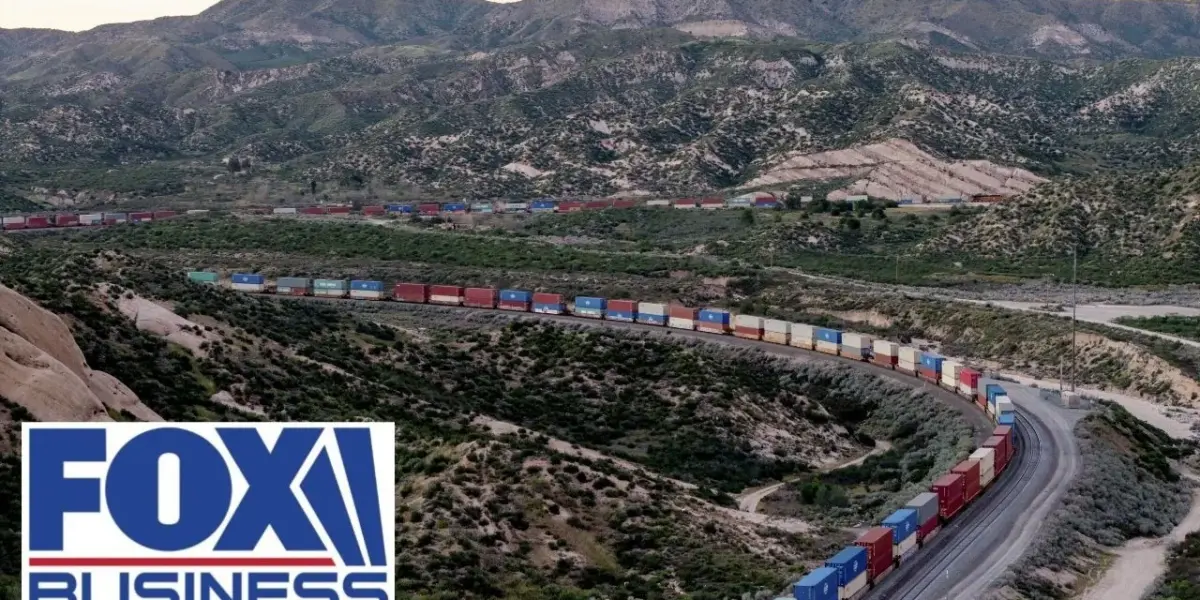
“We used to be a net exporter. We can produce all of our own oil and natural gas. We’ve chosen to shut them down,” Issa explained. He pointed out that refineries are now threatening to close if they cannot meet environmental standards that no company has yet proven capable of meeting. This could lead to more gasoline being imported into the state, transported via trains and highways, which Issa considers less safe.
The situation is further complicated by the state’s push for electric vehicles. “It’s ludicrous because, you know, we can’t produce if enough electricity for our electric cars,” Issa remarked. He concluded that California is “clearly a state in a downward spiral” due to these energy policies.
Focus on Social Issues Amidst Energy Crisis
Amidst these pressing energy concerns, the congressman also touched upon Governor Newsom’s apparent focus on social issues, like celebrating Cesar Chavez Day. “As I said, I’m just processing this within hours of I just read the article this morning,” Issa commented, referencing a report about Cesar Chavez being accused of assault. He suggested that celebrating poverty, which he believes is occurring in California’s agricultural sector, is not the right focus. “We’re no longer a net producer,” he stated, implying that the state’s agricultural sector is suffering, mirroring the broader energy crisis.
Market Impact and What Investors Should Know
The ongoing energy policy debate in California has significant implications for the energy sector and investors. The state’s stringent environmental regulations and its push away from domestic fossil fuel production create challenges for companies operating within its borders. However, it also presents opportunities for renewable energy providers and companies that can supply the state with energy from outside its borders.
For investors, California’s energy situation highlights the complex interplay between environmental policy, national security, and economic stability. The reliance on imported oil and gas, coupled with the potential for refinery closures, could lead to price volatility. This could benefit oil and gas producers in other states or those focused on alternative energy sources. The demand for electricity to power electric vehicles, while a long-term goal, currently outstrips the state’s ability to produce it, signaling potential investment in power generation and infrastructure.
The situation underscores the importance of understanding regional energy policies and their potential to disrupt supply chains and influence market prices. As California grapples with its energy future, investors will be watching closely for how these policies evolve and impact both traditional and emerging energy markets.
Source: We clearly are a state in a DOWNWARD SPIRAL, says California congressman (YouTube)

Related Articles


Scout’s Range Extender: A Hybrid Solution for High Gas Prices?
With gas prices soaring, the upcoming Scout SUV featuring a range extender could be the perfect solution for drivers seeking flexibility. This innovative hybrid system combines electric power with a gasoline generator, offering both efficiency and extended travel capability without range anxiety.


Inslee Slams Trump on Economy Amidst Rising Gas Prices
Former Washington Governor Jay Inslee strongly criticized former President Donald Trump's economic policies and his response to rising gas prices. Inslee slammed Trump as 'out of touch with reality' amidst market turmoil and the closure of the Strait of Hormuz. He also warned of potential legislative efforts to shield the oil and gas industry from climate change accountability.


Trump’s Iran War Hits Snag: Gas Prices Soar, Allies Fume
President Trump's war in Iran enters its 27th day with rising gas prices and Wall Street turmoil. Despite Iran rejecting his terms, the President appears more focused on domestic issues like pen quality than the escalating conflict. Allies and military officials express concern as the Pentagon prepares for potential escalation.