California’s $20 Wage Hike Sparks Automation, Job Cuts
California's $20 minimum wage for fast-food workers is driving businesses to adopt more automation and cut jobs, according to researchers. This policy decision is facing heavy criticism for its predictable negative economic outcomes.

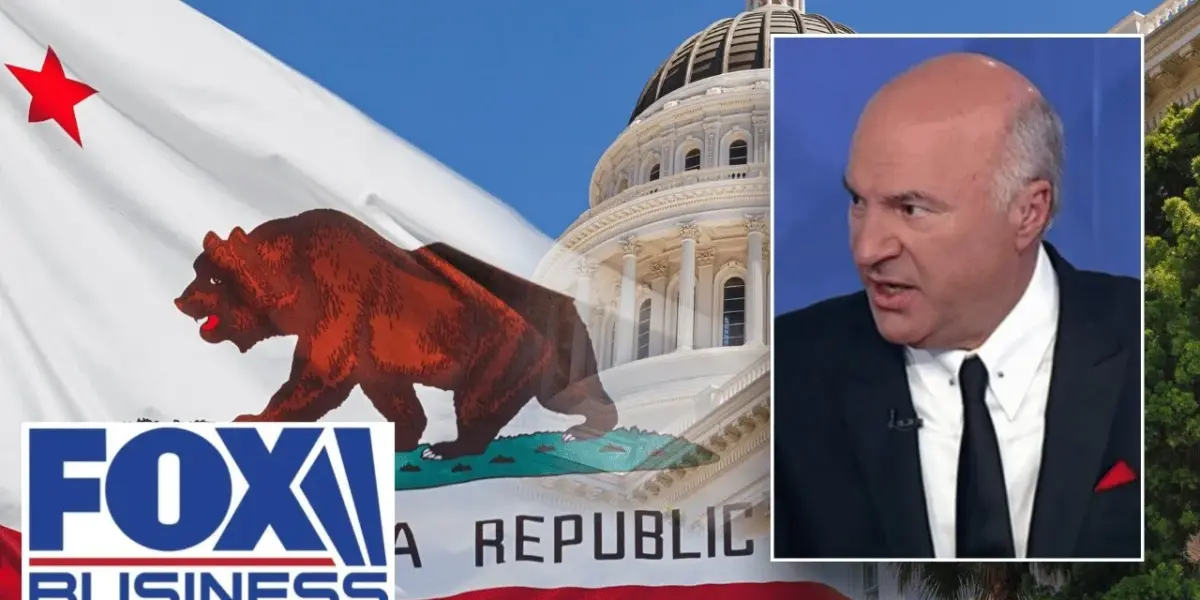
California’s $20 Minimum Wage Sparks Automation, Job Cuts
California’s recent move to raise the minimum wage for fast-food workers to $20 per hour is already showing negative effects, according to researchers. Business owners are being forced to implement more automation, leading to potential job losses and negative outcomes for the state’s economy.
This policy decision, championed by Governor Gavin Newsom and other state politicians, is facing sharp criticism. Critics argue that the significant wage increase was a “stupid mistake” that was predictable in its consequences. “Everybody knows that was going to happen,” stated one market analyst, referring to the expected impact on employment.
Automation Takes Hold
To offset the higher labor costs, businesses are increasingly turning to technology. Automation is being used as a direct response to the new wage mandate. This trend suggests a long-term shift in how fast-food restaurants operate, potentially reducing the need for human workers in the future.
“Automation is being used to offset that. Policy drives long-term outcomes.”
The push towards automation is not just about saving money; it’s a strategic business decision driven by the new economic reality in California. As labor expenses rise sharply, investing in machines that can perform tasks consistently and without increasing wages becomes a more attractive option for owners.
Broader Economic Concerns
Beyond the fast-food industry, the policy is raising broader concerns about California’s economic direction. The state has seen a series of policy decisions that some observers believe have harmed its economic health. “I feel sorry for the taxpayers there, they’ve had a series of bad decisions on policy still in place,” remarked one analyst.
The longevity of these policies, even as politicians change, is a key concern. Policies, once enacted, can remain in place and continue to shape the state’s economy for years. This stability of policy, in the face of negative outcomes, is seen as a significant problem by critics.
A State in Decline?
One analyst, who has observed California for 18 years, described a gradual degradation of the state’s economic standing. Once a leader in energy self-sufficiency, California now faces issues like $7 gasoline prices. “They did it to themselves,” the analyst stated, placing the responsibility on the voters and their policy choices.
The situation highlights a disconnect between policy decisions and their real-world consequences. While politicians may implement changes with certain intentions, the market and business owners often react in ways that can lead to unintended negative effects. The appeal to voters is to consider these outcomes when making future policy choices.
What Investors Should Know
The California fast-food minimum wage hike serves as a case study in how significant policy changes can impact industries. Investors should monitor how similar wage increases or labor regulations in other states might affect companies’ profitability and operational strategies. The trend towards automation as a response to rising labor costs is likely to continue across various sectors.
For the fast-food industry specifically, this means a potential shift towards more streamlined, technology-driven operations. Companies that can adapt and integrate automation effectively may be better positioned to manage increased labor expenses. Conversely, businesses heavily reliant on a large, low-wage workforce might face greater challenges in maintaining profitability.
The long-term implications also extend to consumer prices. As businesses face higher operating costs, these expenses may eventually be passed on to consumers through higher menu prices. This could affect consumer spending habits and the overall demand for fast-food services.
Looking Ahead
The situation in California underscores the complex relationship between government policy, business operations, and economic outcomes. As the state grapples with the consequences of its $20 minimum wage policy, other regions will likely watch closely to learn from its experience. The debate over the right wage level and its economic impact is far from over.
Voters in California are being urged to consider the tangible effects of policy when casting their ballots. The call is for a re-evaluation of current policies and a potential shift towards choices that foster more positive economic growth and job stability for the state’s residents.
Source: 'STUPID MISTAKE': O'Leary SCORCHES Cali's fast-food wage hike (YouTube)

Related Articles
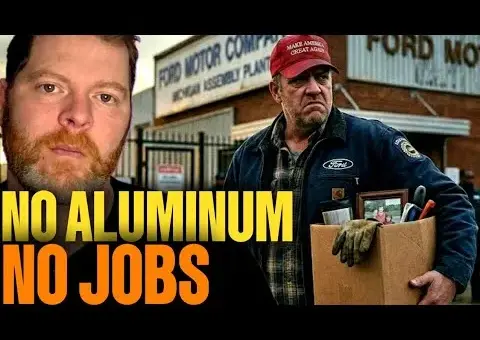
Tariffs Threaten US Jobs, Sparking Automation Fears
New U.S. tariffs on aluminum imports are driving up costs for manufacturers, particularly in the auto industry. This is leading to fears of job losses and a faster push towards automation. The policy raises questions about the government's role in the economy and its impact on everyday Americans.

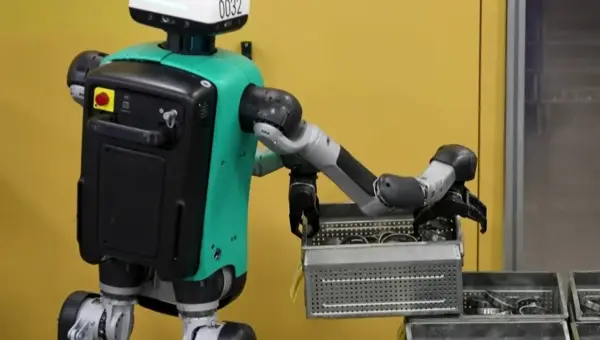
Humanoid Robots Enter Auto Plant, Reshaping Manual Labor
Humanoid robots are now taking on manual jobs in U.S. factories, with Schaeffler in South Carolina employing a robot named Digit for auto parts handling. While the company reskills human workers for higher-tech roles, experts warn of potential job displacement for lower-skilled workers. Safety and cost remain key factors as the technology continues to advance.


AI Agents Automate Tasks, Building ‘Zero-Human’ Companies
New AI tools like Paperclip are enabling the creation of 'zero-human' companies by orchestrating multiple AI agents to perform complex tasks. This technology allows AI to handle business operations autonomously, raising questions about the future of work.