California Swelters: Heat Dome Shatters Records
Southern California is battling record-breaking heat, with a "heat dome" trapping hot air and pushing temperatures into the 90s and 100s. This extreme weather is breaking records and spreading across the West, prompting safety warnings. The event highlights concerns about changing climate patterns and the need for adaptation.


California Swelters: Heat Dome Shatters Records
Southern California is experiencing a powerful heat wave that feels more like summer than spring. Record-breaking temperatures are sweeping the region, with many areas seeing highs well into the 90s and even over 100 degrees. This unusual warmth is not just a local event; it’s part of a larger pattern affecting the West Coast.
What’s Causing the Extreme Heat?
Meteorologists point to a strong high-pressure system, often called a “heat dome.” This is like a lid placed over the region, trapping hot air and preventing it from escaping. This trapped air then heats up, pushing temperatures far above what is normal for this time of year. The National Weather Service has issued heat warnings to alert people to the dangerous conditions.
Record-Breaking Temperatures Across the Region
The heat has already broken dozens of temperature records. On Thursday, Burbank hit 98 degrees, breaking a record set back in 1997. Lancaster reached 93 degrees, and Palm Springs climbed to a scorching 107 degrees. Looking ahead to Friday, forecasters expected highs around 95 degrees in downtown Los Angeles. Cities like Riverside and San Bernardino could see temperatures as high as 102 degrees, while Anaheim might reach 94 degrees.
Heat Warnings and Safety Advice
An extreme heat warning remains in effect for parts of Southern California. Temperatures are expected to be between 96 and 104 degrees. Officials are urging everyone to take precautions. This includes staying hydrated by drinking plenty of water. It’s also important to limit time spent outdoors, especially during the hottest parts of the day. Checking on vulnerable individuals like the elderly, children, and pets is crucial. They are more at risk during extreme heat.
Beyond California: A Wider Impact
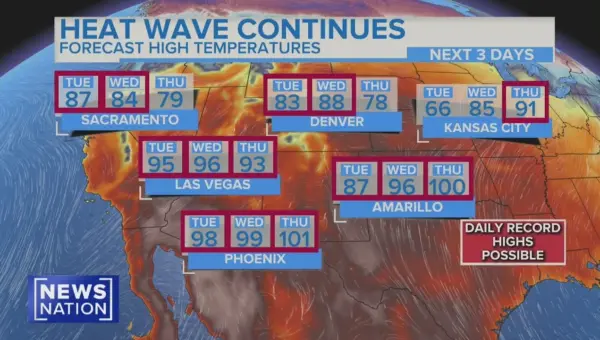
The intense heat isn’t confined to California. It’s spreading to nearby states. Phoenix, Arizona, is expected to reach around 106 degrees. Las Vegas, Nevada, could even hit triple digits. This shows how widespread the effect of this heat dome is across the southwestern United States.
Coastal Relief and Lingering Heat
While inland areas are baking, coastal areas are experiencing some relief. Temperatures along the coast are expected to stay in the upper 70s. This is due to cooler ocean breezes that help moderate the temperatures. However, for most of Southern California, the heat is expected to stick around. Forecasters predict these unusually high temperatures will continue for the rest of March. Only slight cooling is expected in the coming days, meaning the warm weather is here to stay for a while longer.
Why This Matters
This intense heat wave is more than just an uncomfortable few days. It highlights the increasing frequency and intensity of extreme weather events. Such heat waves can have serious consequences for public health, straining power grids, and impacting agriculture. The fact that this is happening in late March, a time usually associated with cooler spring weather, suggests a shift in seasonal patterns.
Historical Context and Trends
While Southern California is no stranger to heat, the records being broken and the timing of this event are significant. Historically, March is a transition month, moving from cooler, wetter winter conditions to warmer spring. However, climate change is contributing to warmer overall temperatures and more extreme weather. This means heat waves are becoming more common and more severe across many parts of the world, including the United States.
Implications and Future Outlook
The current heat dome serves as a stark reminder of the challenges posed by a changing climate. As temperatures continue to rise, communities will need to adapt. This could involve better urban planning to reduce heat island effects, improved public health warnings, and more resilient infrastructure. For Southern California, it means preparing for hotter summers and potentially more frequent extreme heat events throughout the year. The trend suggests that unusual weather patterns may become the new normal, requiring ongoing vigilance and adaptation strategies.
Source: Record Heat Sweeps Through Southern California (YouTube)

Related Articles


Inslee Slams Trump on Economy Amidst Rising Gas Prices
Former Washington Governor Jay Inslee strongly criticized former President Donald Trump's economic policies and his response to rising gas prices. Inslee slammed Trump as 'out of touch with reality' amidst market turmoil and the closure of the Strait of Hormuz. He also warned of potential legislative efforts to shield the oil and gas industry from climate change accountability.


Satellites May Pollute Earth’s Atmosphere, Harm Ozone
Earth's atmosphere may face a new threat from the growing number of satellites burning up upon re-entry. Scientists warn that the resulting particles could deplete the ozone layer and impact climate, urging for greater research and regulation.
Heat Dome Scorches 14 States, Shatters Records Early
A powerful heat dome is causing record-breaking temperatures across 14 states, pushing summer-like heat into early spring. Meanwhile, Hawaii faces severe flooding due to interconnected weather systems. These extreme events highlight growing concerns about climate change.