California RV Homelessness Surge Fuels ‘Vanlord’ Market
California's housing crisis has driven a surge in RV homelessness, creating a lucrative but exploitative 'vanlord' market. With a severe shortage of affordable housing and shelter, many are forced into RVs, facing high rental costs or unregulated agreements.

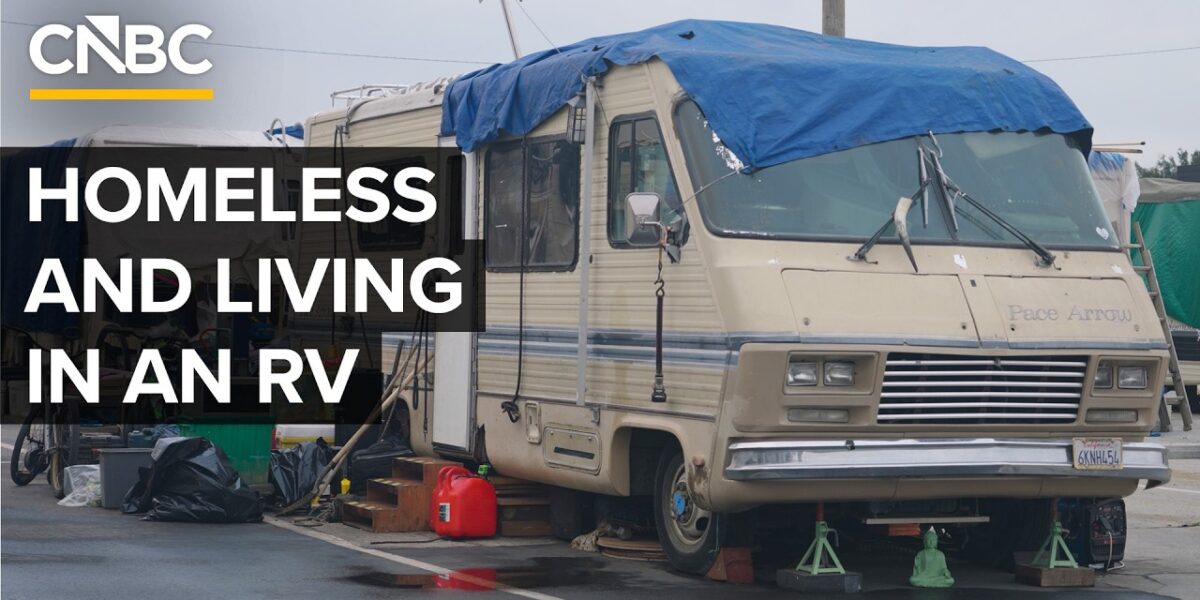
California Grapples with Soaring RV Homelessness, Exploitative ‘Vanlord’ Market Emerges
The escalating crisis of homelessness in California is manifesting in a growing population of individuals residing in recreational vehicles (RVs). In Santa Clara County, a hub of technological giants like Apple and Google, the number of homeless individuals living in vehicles has more than doubled since 2019, surging from 18% to 37% by 2025. This dramatic increase highlights a critical shortage of affordable housing and available shelter options across the state, pushing a growing number of residents into RVs as a last resort.
The Rise of RV Dwelling
The phenomenon is no longer limited to adventurous “van lifers” seeking freedom. Instead, it represents a stark reality for many Californians unable to secure traditional housing. The state faces a deficit of up to 3.5 million housing units, a situation that has inflated home prices and contributed to California having the fifth-highest rate of homelessness in the United States. Compounding this, the state offers limited shelter inventory for those who become homeless, making street living or vehicle residency an unfortunate necessity.
“In California, you’re more likely to become homeless than almost any other state. And when you do, you’re more likely to become homeless on the streets rather than in the shelter than almost any other state.”
This surge has led to the establishment of safe parking sites, designed to offer a more secure and supportive environment for RV dwellers. One such site in San Jose, the Berryessa Safe Parking site, opened just a year ago and has become one of the largest in California, boasting a full waitlist. Victoria Garibaldi, who runs the site, shared her personal motivation, stating, “I do this because I myself was homeless as well. So I know what it’s like to not have a shower, to not have food.” The Berryessa site provides free parking for RVs, along with essential services like meals, showers, laundry facilities, and even a community garden. Residents are encouraged to save money and seek traditional housing with the support of caseworkers, with most transitioning out within a few months.
The Emergence of ‘Vanlords’
Beyond the need for safe parking, a more concerning trend has emerged: the rise of an underground market of “vanlords.” These individuals rent out RVs to people who do not own them, providing a precarious living situation that falls between communal shelters and sleeping on the streets. This practice, however, is often exploitative, as renters lack tenant protections and are subject to the vanlord’s demands. Reports indicate vanlords charging between $500 to $600 per month for RV rentals, with the threat of eviction for non-payment.
“The person confides in you that this person is extorting them for a large sum of money, $500, $600 a month, to use their RV. And they’ll come to me and tell me, hey, this person hasn’t paid me rent. I want to come in and kick them out,” explained one advocate. While some safe parking sites prioritize individuals in vanlording situations, recognizing the urgency of their displacement, the lack of regulation leaves many vulnerable.
San Jose enacted a law last year to combat this practice, banning the rental of RVs as housing on city streets. “When people rent in apartments, there are rules they must follow. There are tenant rights. But renting an RV doesn’t really have the same protections, and it’s very damaging for the people who are renting,” noted a city official.
High Costs and Limited Options
For those who can afford it, even traditional RV parks are becoming prohibitively expensive. In San Francisco, one RV park in an industrial area now charges $2,500 per month for a parking spot, a price comparable to some Bay Area apartments. This cost covers utilities and taxes but does not include the RV itself. These spaces are occupied by essential workers, including dock workers, janitors, and day laborers, who are described as “hard working people, and they’re sort of middle, lower-middle class, working class.”
In response to the growing issue of RV encampments on city streets, San Francisco Mayor Daniel Lurie implemented legislation in July. The new rules include two-hour parking restrictions for large vehicles citywide, with limited exceptions, aimed at mitigating the impact on public spaces. The city is actively reaching out to RV dwellers to offer subsidized housing and permits for those awaiting placement, seeking to balance assistance with community concerns.
Market Impact and Investor Considerations
The escalating homelessness crisis and the reliance on RVs as a housing solution have several implications for the broader market and investors.
- Housing Shortage: The fundamental driver remains the severe lack of affordable housing. This points to continued demand for housing solutions, from traditional construction to innovative interim housing models.
- Real Estate Dynamics: While not directly impacting core real estate investment in the same way as commercial or residential properties, the crisis underscores the economic pressures on lower and middle-income earners, potentially affecting consumer spending and local economic activity.
- Social Impact Investing: The need for solutions like safe parking sites and transitional housing presents opportunities for social impact investors and non-profits focused on affordable housing and homelessness.
- Regulatory Risk: As cities implement new regulations, such as parking restrictions and bans on RV rentals, investors and businesses operating in related sectors should monitor evolving legal landscapes.
- RV Market: While not explicitly discussed as a market driver in the transcript, the increased demand for RVs as primary residences, even if temporary or precarious, could have subtle effects on the used RV market and related services.
The situation in California serves as a potent reminder of the complex interplay between economic inequality, housing policy, and social stability. As the state continues to seek solutions, the RV crisis underscores the urgent need for comprehensive housing strategies that address both the immediate needs of the homeless population and the long-term affordability challenges facing millions of residents.
Source: RV Homelessness Is On The Rise In California, And 'Vanlords' Are Cashing In (YouTube)

Related Articles


Barcelona Doubles Tourism Tax to Curb Overcrowding
Barcelona has doubled its tourism tax, making it one of the highest in Europe. This strategic move aims to curb overtourism and generate vital funds for affordable housing initiatives. The city seeks to balance economic benefits with resident quality of life.


3D Homes: A Housing Crisis Solution?
3D printed homes, heralded as a potential solution to the housing crisis, are emerging in markets like Austin, TX. While offering benefits like energy efficiency, current price points and unique aesthetics raise questions about their broad market impact and affordability.


AI’s Economic Shift: Ownership is the New Wage
Artificial intelligence is projected to significantly reduce the economic value of human labor within a decade. Experts suggest that capital ownership, rather than wages, will become the primary means of wealth accumulation. Investors are urged to consider this shift in their long-term strategies.