California Officials Clash Over Fraud Fight
California officials are locked in a public dispute over who is leading the charge against widespread hospice fraud. The conflict, playing out on social media, raises questions about the state's effectiveness in combating financial crimes and protecting taxpayer funds.

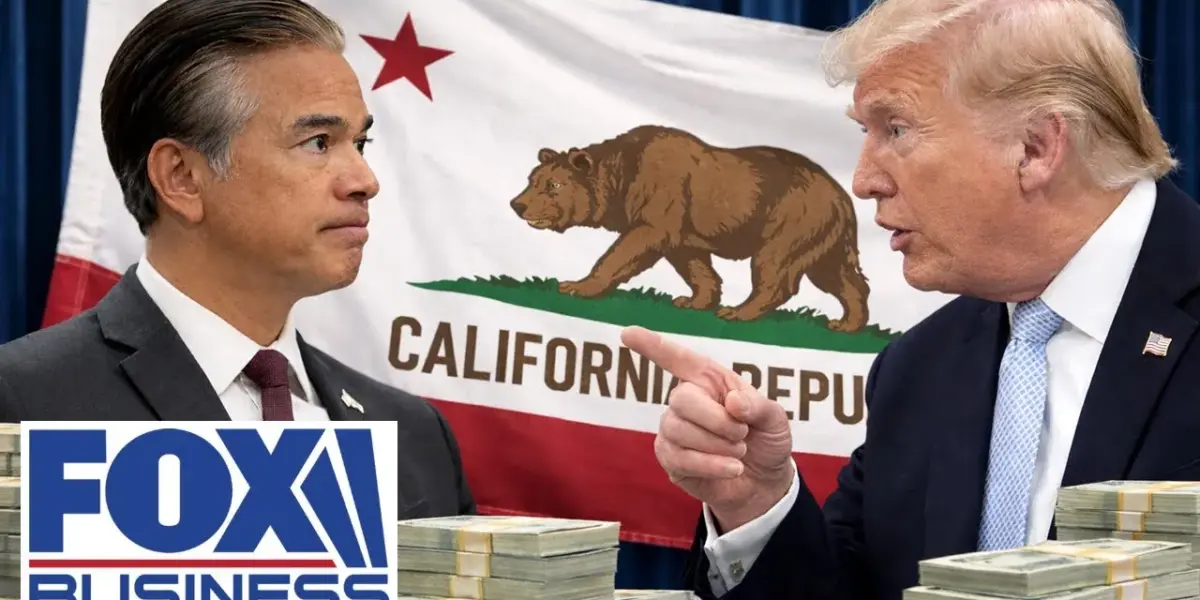
California Officials Clash Over Fraud Fight
A heated dispute has erupted between California’s Attorney General Rob Bonta and Los Angeles’ top prosecutor, involving allegations of widespread fraud within the state’s hospice industry. The conflict highlights a growing political battle over who is doing more to combat financial crimes.
AG Bonta Defends State’s Record
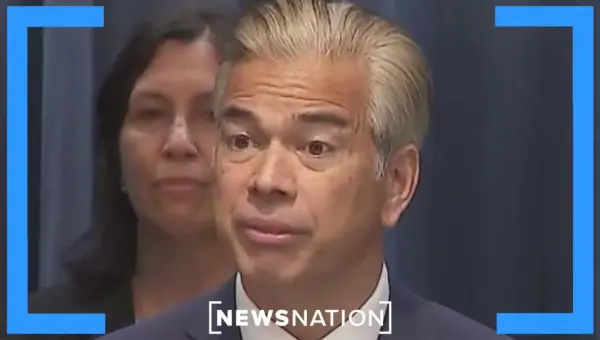
Attorney General Rob Bonta recently announced an operation leading to 21 charges, framing it as part of the California Department of Justice’s (DOJ) long-standing efforts against hospice and medical fraud. Bonta stated, “This is just the latest example of the California DOJ’s long-standing ongoing and successful efforts to combat hospice and medical fraud. We’ve been doing this work for years.” He suggested that others, including former President Trump, were late to the issue. “Healthcare fraud might be President Trump’s shiny new political talking point, but California DOJ has been going after healthcare fraud since 1979,” Bonta added.
Political Accusations Fly
The dispute escalated on social media platform X, where Bonta’s office was criticized for its handling of fraud cases. One post suggested that California’s approach to fighting fraud was lacking. Bonta’s office fired back, stating, “California DOJ will continue holding scammers accountable and sounding the alarm on dangerous scams.” The criticism also questioned whether fraudsters faced serious prison time under California’s laws, raising concerns about taxpayer money.
Governor Gavin Newsom also weighed in, defending the state’s economy and dismissing the fraud allegations as partisan attacks. He wrote that “Trump and his right wing propaganda machine can continue throwing partisan punches at California.” However, the hospice fraud case itself was initially brought to light by independent journalist Nick Shirley. Shirley had previously uncovered billions of dollars in fraud in Minnesota.
Questions About Competence and Incompetence
Critics argue that if investigations into fraud have been ongoing since 1979, as claimed by the California DOJ, then the continued occurrence of such crimes points to significant incompetence. “This tells me these guys are highly incompetent if fraud is still occurring,” one commentator noted. “50 years have gone by and they still get it wrong. That’s ridiculous.” The idea that progressive policies might be linked to government inefficiency was also raised.
The public’s frustration with perceived government waste is growing. Taxpayers are increasingly questioning why more money spent by the government does not translate into better services or outcomes. This sentiment could lead voters to consider candidates who promise more direct accountability for government funds.
Minnesota Fraud Scheme Uncovered
In a related development, a sixth member of a Minnesota Somali family pleaded guilty in connection with a $14 million federal fraud scheme. This scheme diverted funds intended for children’s nutrition programs. Minnesota Attorney General Keith Ellison and Governor Tim Walz faced scrutiny and were called before Congress to answer questions about their involvement and knowledge of the scheme, particularly after reports of meetings with family members seeking funding.
The involvement of federal authorities, including the U.S. Attorney’s Office and the Department of Justice, is seen as crucial. This is especially true in states where criticism from within might be muted. Federal oversight can help bring attention to mismanagement of government funds that might otherwise go unnoticed.
Impact on Vulnerable Populations
The diversion of federal and state funds through fraudulent schemes has serious consequences. Millions of dollars intended for essential services, like feeding children or providing hospice care, are lost. This means that the individuals and communities who most desperately need this support are not receiving it. The current situation underscores the importance of robust oversight and swift action against those who exploit public resources for personal gain.
In the case of hospice care, reports suggested that the fraud was uncovered when individuals were not dying quickly enough at certain facilities, raising red flags about the legitimacy of the services being provided.
Market Impact
This ongoing saga of alleged fraud and the subsequent political fallout has several implications for the financial markets and public trust. Firstly, it highlights the persistent risks associated with government spending and oversight, particularly in large, complex sectors like healthcare. Investors and taxpayers alike are reminded that inefficiencies and fraud can drain public resources, potentially impacting future government budgets and the allocation of funds.
Secondly, the political infighting distracts from the core issue of protecting taxpayer money and ensuring that essential services reach those in need. This can erode public confidence in governmental institutions and their ability to manage funds effectively. For the healthcare sector, particularly companies involved in hospice care or government contracting, such scandals can lead to increased regulatory scrutiny, stricter compliance requirements, and potential reputational damage.
Finally, the involvement of independent journalists and federal agencies in uncovering these schemes suggests that transparency and accountability are gradually being enforced. However, the scale of the alleged fraud, involving millions of dollars, indicates that significant challenges remain. The long-term impact could involve reforms aimed at strengthening fraud detection and prevention mechanisms, potentially increasing compliance costs for businesses but also improving the integrity of public funds.
What Investors Should Know
Investors should pay close attention to regulatory actions and legal proceedings related to healthcare fraud. Companies operating in the healthcare and government services sectors may face increased compliance burdens and scrutiny. The public’s growing awareness of fraud and mismanagement could also influence political outcomes and shape future government spending priorities.
The events in California and Minnesota serve as a stark reminder of the importance of due diligence and ethical practices in all sectors, especially those receiving public funds. While the immediate focus is on legal accountability, the broader implications involve ensuring the efficient and honest use of taxpayer dollars for the benefit of all citizens.
Source: 'TRUMP IS LATE': Cali AG FIRES BACK as fraud fight turns into political firestorm (YouTube)

Related Articles
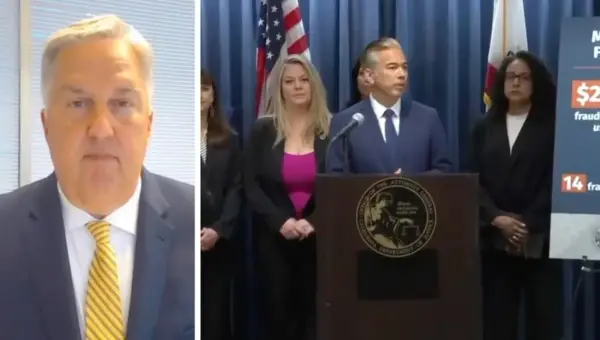
California Unmasks $260M Hospice Fraud, Exposing Systemic Flaws
California has busted a $267 million hospice fraud ring, exposing a complex scheme that billed for non-existent patients. This major bust highlights systemic oversight issues and the need for better state-federal cooperation in fighting healthcare fraud.


California Loses $180 Billion to Fraud Under Newsom
California has reportedly lost $180 billion to fraud under Governor Newsom, with critics pointing to issues in hospice care and unemployment benefits. The state faces scrutiny over its economic policies, including high taxes and regulations, while other states report surpluses.
California Hospice Fraud Ring Stole $267M
A massive $267 million Medicare fraud scheme has been uncovered in California, leading to the arrest of 21 individuals. Criminals allegedly used stolen identities from the dark web to purchase and operate 14 hospice companies, billing for services that were never provided. Authorities seized millions in cash and assets during recent raids.