California AG Challenges Major Media Merger, Cites Antitrust Concerns
California Attorney General Rob Bonta is investigating the proposed merger between Paramount Global and Warner Bros. Discovery, citing potential antitrust violations and the concentration of media power. The state is asserting its independent authority to scrutinize the deal, even if federal agencies approve it, emphasizing concerns over rising prices and reduced competition.

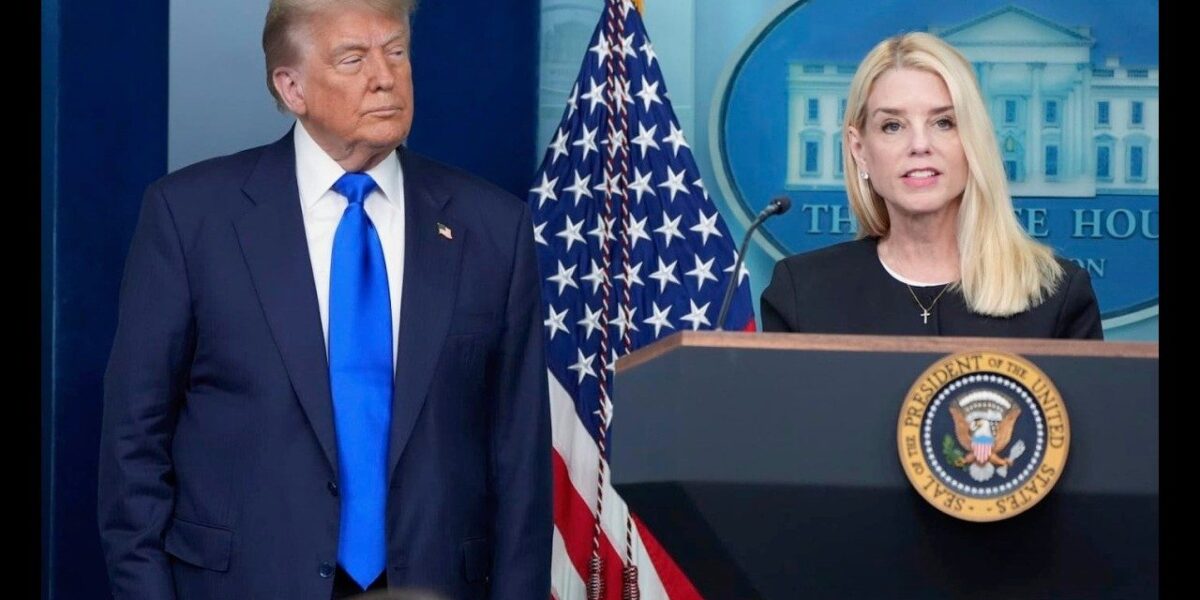
California AG Probes Paramount-Warner Bros. Discovery Merger
In a significant development shaking the media landscape, California Attorney General Rob Bonta announced his office is actively investigating the proposed merger between Paramount Global and Warner Bros. Discovery. This move comes after reports indicated the deal, which would consolidate substantial media assets, beat out a competing bid from Netflix. The merger raises concerns about potential antitrust violations and the concentration of media power, particularly as it aligns with interests perceived to be favored by former President Donald Trump.
“This is not a done deal. To those who think it is, I say not so fast,” stated Attorney General Bonta in a recent interview. He emphasized that the merger faces significant regulatory hurdles, including his office’s independent review. The California Department of Justice is examining whether the deal violates antitrust laws, potentially leading to higher consumer prices, lower wages for workers, and reduced competition and choice in the market.
State Authority in Antitrust Enforcement
Attorney General Bonta stressed the independent authority of state attorneys general in antitrust matters, even if federal agencies like the Department of Justice (DOJ) or the Federal Trade Commission (FTC) approve the merger. “Regardless of what the United States federal government does, regardless of what the US DOJ does, if the US DOJ approves the merger, we still have an opportunity to block the merger if we wish,” he explained. This independent power allows states to pursue actions that protect their residents, irrespective of federal decisions.
The investigation will involve a thorough analysis of the law and facts, guided by expert economists and legal teams. While the ultimate decision could range from approving the merger to blocking it entirely, Bonta assured a process driven by law and facts, not politics. “We’re engaged in that process now and we will complete that process and make a final decision,” he added.
Antitrust Law and Legal Avenues
When asked about the legal venue for such challenges, Bonta noted that cases involving federal antitrust laws like the Sherman Act or the Clayton Act often end up in federal court. However, he pointed out that state law claims, such as California’s Cartwright Act, can be litigated in state courts, citing an ongoing case against Amazon in San Francisco Superior Court.
The potential for cases to reach the U.S. Supreme Court was also discussed. While acknowledging the court’s role, Bonta highlighted recent instances where California has secured victories against outcomes favored by Trump appointees, suggesting that compelling legal arguments can prevail even in politically charged environments. However, he indicated that most antitrust cases are resolved at the district or appellate court levels, with the Supreme Court rarely playing a direct role in these matters.
Broader Implications of Media Consolidation
The discussion also delved into the historical impact of media consolidation. Attorney General Bonta confirmed a pattern observed in previous mergers: “Generally, when you have corporate consolidation, prices go up, quality goes down, wages get lower, choice is decreased.” He characterized such consolidation as antithetical to the principles of high competition, affordable prices, and consumer choice that antitrust laws aim to uphold.
The sheer scale and multi-market reach of companies like Paramount and Warner Bros. Discovery, operating not just as studios but also in streaming and news, amplify these concerns. “There are massive impacts across multiple markets of a potential merger here,” Bonta warned, underscoring the need for careful scrutiny.
States Stepping Up Amidst Federal Inaction
A significant theme of the conversation was the perceived gap in federal antitrust enforcement. Bonta expressed that while the DOJ and FTC traditionally lead such efforts, states are increasingly compelled to step in. “In the absence of the federal government doing their role, doing their job, states need to step up and fill that role and fill that gap,” he asserted.
California, with its large Department of Justice, is positioned to take on these high-resource cases. Bonta noted that other states have expressed interest in investigating the Paramount-Warner Bros. Discovery merger, suggesting a potential multi-state coalition. He also highlighted that California’s Live Nation/Ticketmaster case is already a multi-state effort.
Ongoing Cases: Ticketmaster and Amazon
Attorney General Bonta provided an update on two other high-profile cases led by his office. The lawsuit against Live Nation Entertainment and Ticketmaster, filed in conjunction with the DOJ and multiple states, alleges violations of federal antitrust laws. The case centers on claims that Ticketmaster leverages its dominance in ticketing, promotion, and venue operations to stifle competition and inflate prices.
Regarding the Amazon case, California is suing independently in state court. The lawsuit accuses Amazon of engaging in a price-fixing scheme by requiring vendors to raise prices on competing platforms if they offer lower prices elsewhere, thereby artificially inflating costs for consumers. California recently filed a motion for a preliminary injunction to halt this alleged conduct.
Bonta expressed concern that the federal government might not be as aggressive as desired in the Ticketmaster case, potentially requiring states to shoulder more of the burden. He characterized federal antitrust enforcement under the current administration as falling short of expectations, particularly concerning affordability and consumer protection.
Future Outlook and State-Level Action
The discussion concluded with an emphasis on the potential for California’s legal actions to set precedents. Bonta suggested that a successful outcome in the Amazon case could lead to nationwide changes in Amazon’s practices, or at least provide a blueprint for other states to pursue similar litigation. He noted the importance of states having robust antitrust laws, like California’s Cartwright Act, to enable such actions.
The attorney general’s proactive stance highlights a growing trend of states asserting their authority in areas traditionally dominated by federal agencies. As major corporate mergers and alleged anti-competitive practices continue to emerge, the role of state attorneys general in safeguarding market fairness and consumer interests is likely to become even more critical.
Source: WOW: Trump MEETS HIS LEGAL MATCH in SURPRISE update (YouTube)

Related Articles
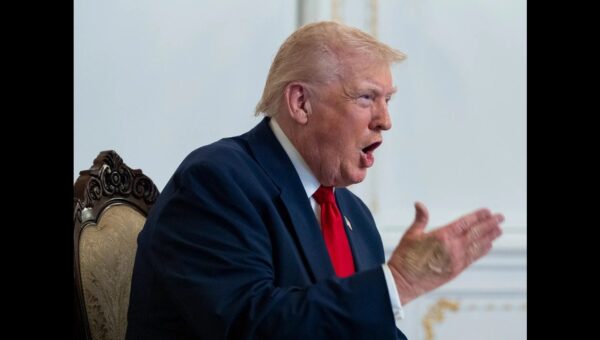
Paramount-Warner Bros. Merger Faces Antitrust Scrutiny
Paramount's reported acquisition of Warner Bros. Discovery is drawing scrutiny over potential antitrust violations and political influence. The consolidation could lead to higher consumer prices, reduced creator leverage, and a more fragile media landscape.

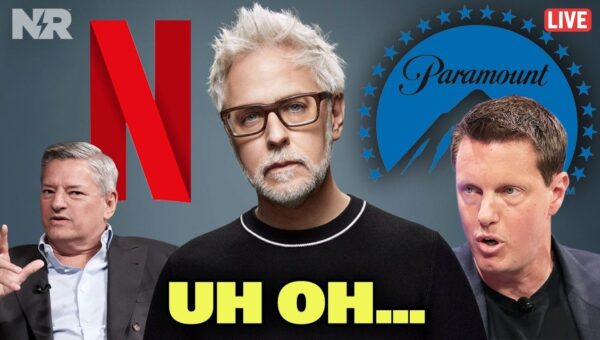
Paramount’s $110B WB Bid: What It Means for DC
Paramount Global is reportedly set to acquire Warner Bros. Discovery for a colossal $110 billion, a deal that could dramatically reshape the entertainment landscape. The acquisition includes the coveted DC Studios and its future DCU slate, raising significant questions about the direction of superhero films. Netflix's withdrawal from the bidding war paved the way for Paramount's victory, leaving fans and industry insiders contemplating the far-reaching implications.

Paramount Buys Warner Bros. Discovery: What It Means for DC
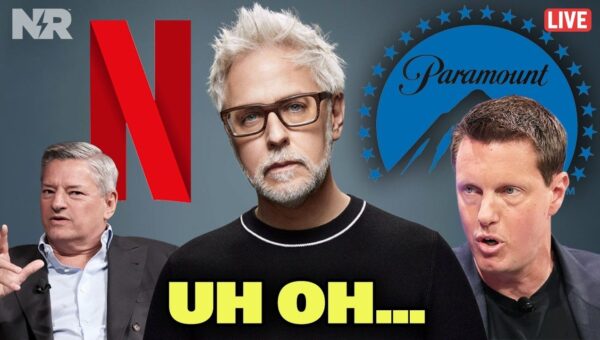
Paramount Global has reportedly acquired Warner Bros. Discovery for $110 billion, a move that could drastically reshape the future of DC Studios and its planned DC Universe. Netflix has withdrawn its bid, allowing Paramount to secure the landmark deal.