Buttigieg: Trump’s Policies Drive Up Costs for Americans
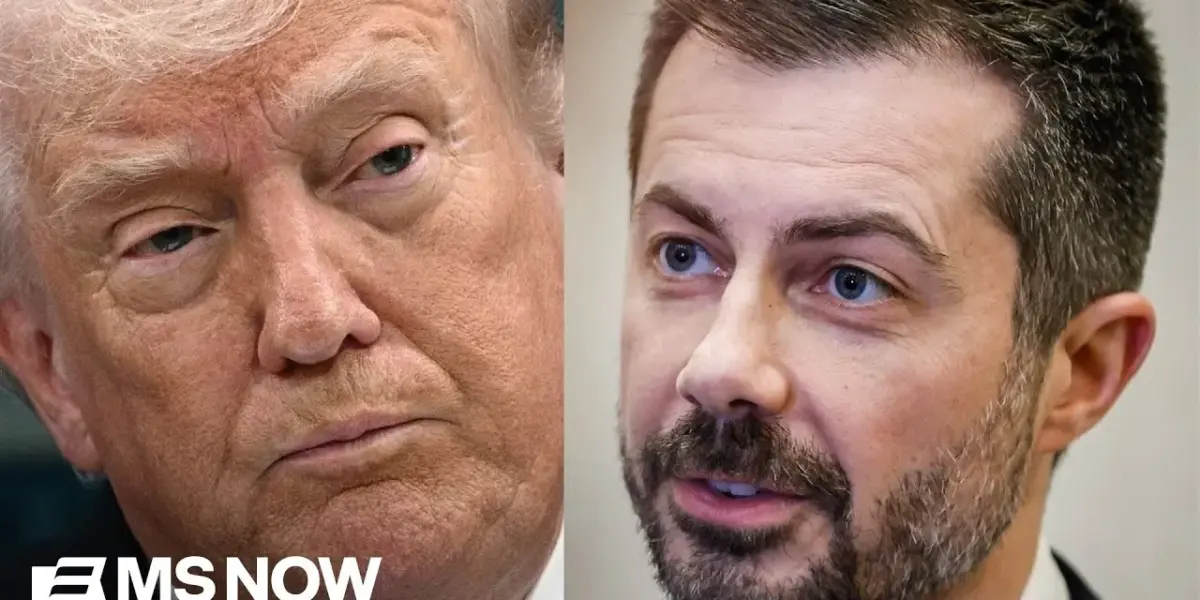
Former Secretary of Transportation Pete Buttigieg argues that Donald Trump's policies and rhetoric are actively increasing costs for ordinary Americans. He contrasts this with typical administrations that aim to lower inflation, stating that current policies exacerbate economic hardship across various sectors. Buttigieg also addresses Trump's controversial statements, calling them a dangerous erosion of trust.

Republicans Sound Alarm Amidst Election Setbacks
A growing number of Republicans are expressing concern about the party’s prospects in the upcoming November elections. This unease follows recent Democratic victories, including a win in Wisconsin’s Supreme Court race and a mayoral office in a conservative Milwaukee suburb. One Republican congressman, speaking anonymously to the Associated Press, admitted, “We got our butts kicked.” The AP also noted that some Republicans were shaken by a special election in Georgia, where their candidate won by a smaller margin than expected. This trend has led to unease within the party regarding the impact of various issues, including economic concerns and rising gas prices, which are expected to continue for weeks.
Economic Disconnect: Trump’s Impact on Everyday Costs
During past election cycles, the Trump campaign accused the Biden administration of ignoring economic realities. However, a stark disconnect now appears to exist between those who can afford high-profile events and the financial struggles of everyday Americans. Former Secretary of Transportation Pete Buttigieg highlighted this divide, noting the difference between those who can pay a million-dollar entry fee to Mar-a-Lago or fund lavish White House events and working families across the country. He stated, “There’s clearly a huge disconnect between the kinds of people who can pay the million dollar entry fee to Mar-a-Lago… and everybody else from my neighbors in Michigan to the people that I’m meeting on the road.”
Policies Fueling Inflation, Not Fighting It
Buttigieg argued that the current situation is distinct from past periods of economic hardship. Typically, administrations facing inflation work to lower costs. In contrast, he asserted, “Right now, we have an administration doing everything they can to drive costs up.” This, he explained, spans multiple economic sectors. Tariffs are increasing grocery bills by an estimated $1,000 per family. The cost of fertilizer is driving up food prices, and energy bills are rising due to a slowdown in clean energy projects. He added, “Gas is up because of the war in Iran.” Buttigieg concluded that the administration is not just failing to control living costs but is actively increasing them, suggesting this does not affect those in power and their associates.
Rhetoric and Reality: Crossing a Line
The conversation also touched upon Donald Trump’s rhetoric, particularly a recent threat to obliterate Iran’s civilization. Many feel this marks a new, disturbing low. Buttigieg likened the situation to F. Scott Fitzgerald’s description of going bankrupt: gradually, then suddenly. He believes that certain actions, especially the “nakedly genocidal threat” against another civilization, represent a sudden crossing of a line. He emphasized that the consequences of such rhetoric extend beyond Trump’s tenure, eroding trust in the United States among allies and adversaries alike. This loss of trust, he warned, can impact international negotiations and stability.
The Democratic Message: Beyond Criticism
Addressing the Democratic Party’s messaging strategy, Buttigieg stressed the need to move beyond simply criticizing Trump. He believes the focus should be on how Democratic policies can improve everyday life and resonate with voters. The message needs to convey tangible benefits, such as lower living costs, increased energy resources leading to reduced utility bills, and better wages. He also pointed to emerging challenges like artificial intelligence, suggesting that strong leadership is needed to ensure people are better off, not worse, in the face of such advancements.
Rebuilding Trust and Addressing Systemic Issues
Buttigieg cautioned against simply restoring the status quo, arguing that the previous state of affairs contributed to current problems. He stressed the importance of addressing systemic issues and not just fixing what has been broken. The conversation also explored the relevance of the rule of law in the current political climate. Buttigieg acknowledged the strategy of focusing on the economy but insisted on connecting economic hardship to broken institutions and legal loopholes that allow for seemingly corrupt practices and the manipulation of election outcomes.
Looking Ahead: Reforming Institutions
Ultimately, Buttigieg called for reforms that prevent the country from returning to similar situations. He believes that while fixing immediate economic concerns is crucial, addressing the underlying issues of trust and institutional integrity is vital for the nation’s long-term well-being. The challenge lies in convincing the public that a better future is possible through thoughtful leadership and meaningful reform.
Source: Doing everything they can to drive costs up: Fmr. Secy. Buttigieg on how Trump is impacting economy (YouTube)

Related Articles

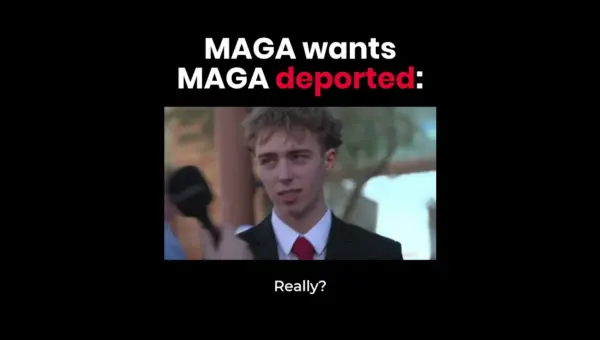
MAGA’s Immigration Paradox: Supporters Face Deportation Fears
A MAGA supporter, facing a decade-long wait for his immigration case, advocates for stricter deportation policies. His personal story highlights the complex and often ironic realities of the U.S. immigration system.
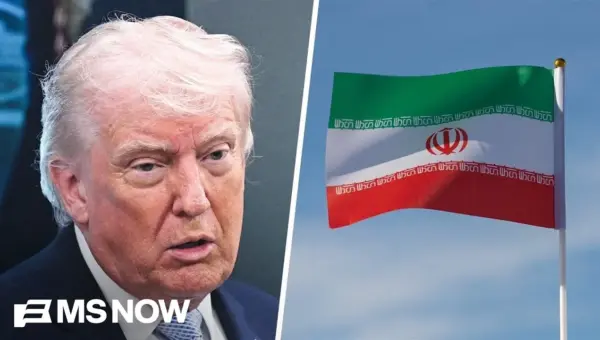
Noonan Slams Trump’s Iran Threats: ‘Hitting a New Bottom’
Journalist Peggy Noonan has strongly criticized former President Donald Trump's social media threats against Iran, calling them "sinister" and "hitting a new bottom." Her commentary highlights concerns about destabilizing the world and undermining America's moral authority. The piece also touches on divisions within the Republican Party and the silence of its leaders.
Trump Slams Media Critics, Sparks GOP Division
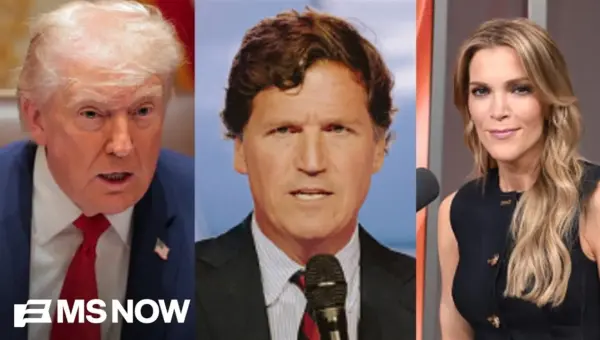
President Trump unleashed a fiery attack on right-wing media figures like Tucker Carlson and Meghan Kelly, calling them "low IQ" and "troublemakers" after they criticized his Iran policy. The broadside highlights growing divisions within the Republican party and the complex relationship between Trump and his conservative media allies.