Buttigieg Spars With MAGA Host Over Iran War Claims
Transportation Secretary Pete Buttigieg and a MAGA host clashed over Iran's nuclear program and the justification for military action. The debate highlighted differing views on presidential credibility and American strength.

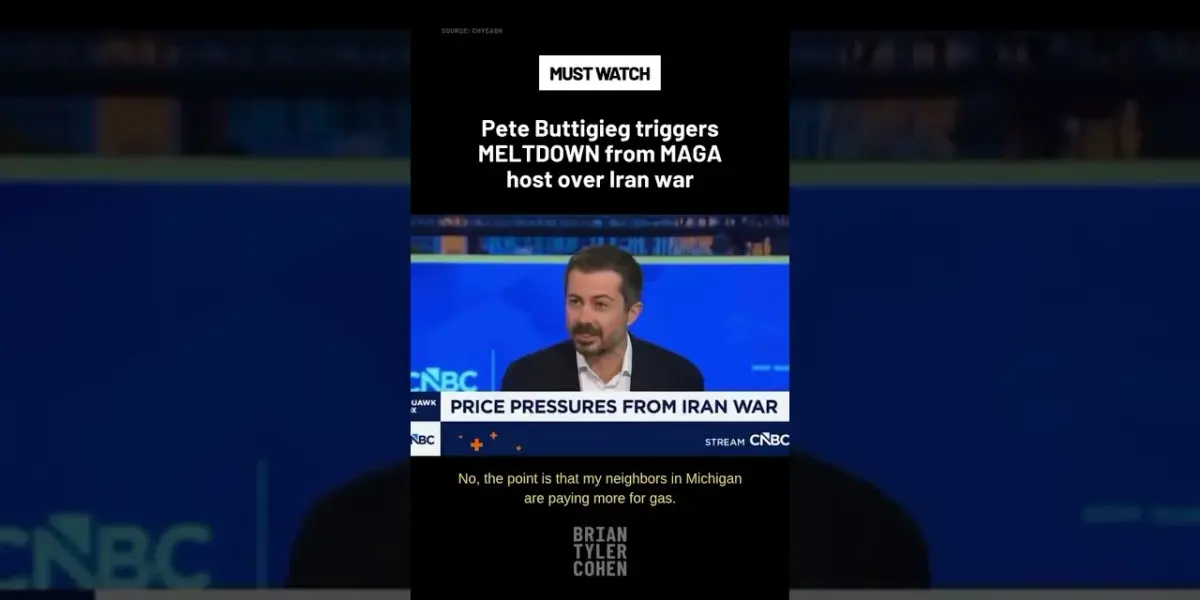
Buttigieg Spars With MAGA Host Over Iran War Claims
A recent exchange between Transportation Secretary Pete Buttigieg and a MAGA host highlighted sharp disagreements over the Biden administration’s approach to Iran and the potential for war. The discussion, captured in a YouTube video, touched on the sincerity of presidential statements regarding Iran’s nuclear program and the justification for military action.
Debate Over Iran’s Nuclear Ambitions
The core of the argument began with a question about President Biden’s past assurances that Iran’s nuclear ambitions had been stopped. The MAGA host pressed the point, suggesting that if the president failed in this goal, he should admit it before considering military action. The host cited a statement from Steve Witco claiming Iran possessed enough fissile material for multiple nuclear bombs.
Buttigieg countered by questioning the relevance of whether the president had been lied to or was simply unaware of Iran’s progress. He argued that regardless of past statements or the exact status of Iran’s nuclear program, if Iran were to obtain a nuclear weapon, that would be unacceptable. The focus, he implied, should be on preventing Iran from getting a bomb, not on debating the accuracy of previous presidential claims.
“Is that really the the the point? Whether or not the point is in my neighbor whether or not he was being knew it was obliterated or not is not the point. If it wasn’t obliterated then you have to do something about you can’t go back and say well you lied about this so that we can’t now we can’t actually do what we need to do.”
This statement suggests a pragmatic approach: focusing on the present threat and necessary action rather than getting bogged down in past political accusations. Buttigieg seemed to imply that debating whether the president was lied to or mistaken about Iran’s nuclear capabilities was a distraction from the more critical issue of preventing Iran from acquiring nuclear weapons.
Claims of American Weakness
The MAGA host then asserted that America is weaker because the president launched military action. Buttigieg dismissed this as an opinion, leading the host to try and back up his claim by referencing comments from NATO’s Secretary General, who reportedly stated the world is a safer place. The host suggested the NATO official was merely trying to please the president.
This exchange reveals a broader political divide. One side views the administration’s actions as making the U.S. less secure, while the other maintains a stance that diplomatic and military efforts are necessary for global safety. The host’s skepticism towards NATO’s assessment underscores a distrust of international bodies and a belief that U.S. foreign policy under Biden has been ineffective.
“Unconditional Surrender” and Military Demands
A particularly contentious point arose when the host accused the president of backing down from a demand for “unconditional surrender” from Iran. The host framed this as a sign of weakness, implying the administration had initially sought a complete capitulation but later settled for less.
Buttigieg, however, seemed unsure about the specific demands being referenced, asking for clarification. The host insisted that unconditional surrender was the president’s demand just a month prior. Buttigieg’s response, “This is not over yet,” suggests that the situation is still fluid and that the administration’s objectives may not be fully defined or achieved.
The conversation then shifted to the Strait of Hormuz, a vital waterway for global oil transport. The host expressed concern that if the Strait reopens, it would mean the Navy is not present. Buttigieg’s response, “So the best case scenario is the straight being open. The straight was open before he started,” implies that keeping the Strait open is a positive outcome, regardless of the specifics of military presence. He seems to argue that the current situation, where the Strait remains open, is preferable to a scenario where it is closed, and that this state of affairs existed even before recent actions.
Why This Matters
This debate is significant because it touches upon critical issues of national security, presidential credibility, and foreign policy. The differing interpretations of the administration’s actions in the Middle East reflect deep partisan divisions. The host’s focus on presidential honesty and perceived weakness contrasts with Buttigieg’s emphasis on preventing immediate threats and maintaining stability.
The discussion also highlights the complexities of international relations. Accusations of presidential deception and debates over military objectives can have real-world consequences, influencing public opinion and shaping diplomatic strategies. Understanding these differing viewpoints is crucial for grasping the challenges faced by any administration in navigating volatile global situations.
Implications and Future Outlook
The exchange suggests that foreign policy, particularly concerning Iran, remains a highly charged political issue. The Biden administration faces the challenge of convincing the public and international allies of its strategy’s effectiveness, especially when confronted with criticisms that question its resolve or honesty.
Looking ahead, the situation with Iran will likely continue to be a focal point. The administration’s ability to manage diplomatic efforts, deter aggression, and prevent Iran from acquiring nuclear weapons will be closely scrutinized. The rhetoric used by political figures on all sides will continue to shape public perception and influence policy decisions.
The debate also points to a broader trend of political polarization extending into foreign policy discussions. Complex international issues are often simplified into partisan talking points, making nuanced understanding and constructive debate more difficult. The ability to find common ground on national security issues remains a significant challenge.
Historical Context
Discussions about Iran’s nuclear program and potential military conflict are not new. For decades, the international community has been concerned about Iran’s nuclear ambitions. Various administrations have pursued different strategies, including sanctions, diplomacy, and the threat of force, to prevent Iran from developing nuclear weapons.
The Joint Comprehensive Plan of Action (JCPOA), or Iran nuclear deal, was an attempt by the Obama administration to curb Iran’s program in exchange for sanctions relief. However, the Trump administration later withdrew from the deal, leading to increased tensions. The Biden administration has sought to revive the deal or negotiate a new agreement, but progress has been slow.
The Strait of Hormuz has also historically been a point of contention. Its strategic importance means that any disruption to shipping there can have significant global economic impacts. Both Iran and the United States have a history of asserting control or influence in the region, leading to periodic standoffs.
This recent exchange between Buttigieg and the MAGA host is a continuation of these long-standing debates, filtered through the lens of current political divisions and specific events. The core issues of nuclear proliferation, regional stability, and American leadership remain central to the discussion.
Source: Pete Buttigieg triggers MELTDOWN from MAGA host over Iran war (YouTube)

Related Articles

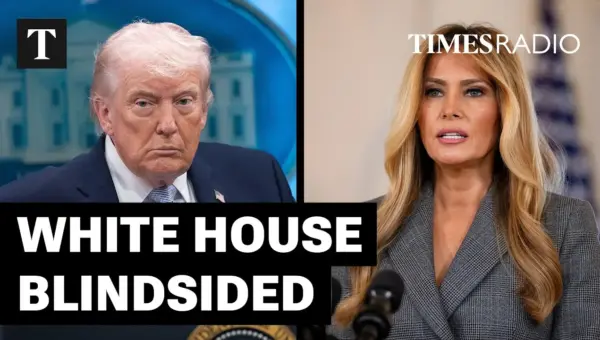
Melania Trump Breaks Silence on Epstein, Stuns Washington
Melania Trump has issued a surprising statement clarifying her past connection to Jeffrey Epstein, stating she is not a victim and did not meet her husband through him. The statement has caught many, including the media and political circles, off guard. Meanwhile, Donald Trump faces criticism from his own base over his stance on Iran, with some viewing it as a departure from his "America First" policy.

Trump’s Iran War: A Costly Disaster at Home and Abroad
Critics are calling the recent conflict with Iran an "unmitigated disaster," highlighting a failure to achieve regime change and significant costs at home. The war has resulted in American lives lost, billions spent, and rising gas prices, raising serious questions about its worth.

Netanyahu Pushed for Iran Attack; Only Trump Said Yes
John Kerry confirmed that Israeli Prime Minister Benjamin Netanyahu proposed attacking Iran to multiple U.S. presidents. While Barack Obama, George W. Bush, and Joe Biden refused, Donald Trump was the only one who agreed to the plan. This highlights significant differences in foreign policy approaches among U.S. leaders regarding Iran.