Bullet Fragment Mismatch Fuels Defense in Charlie Kirk Case
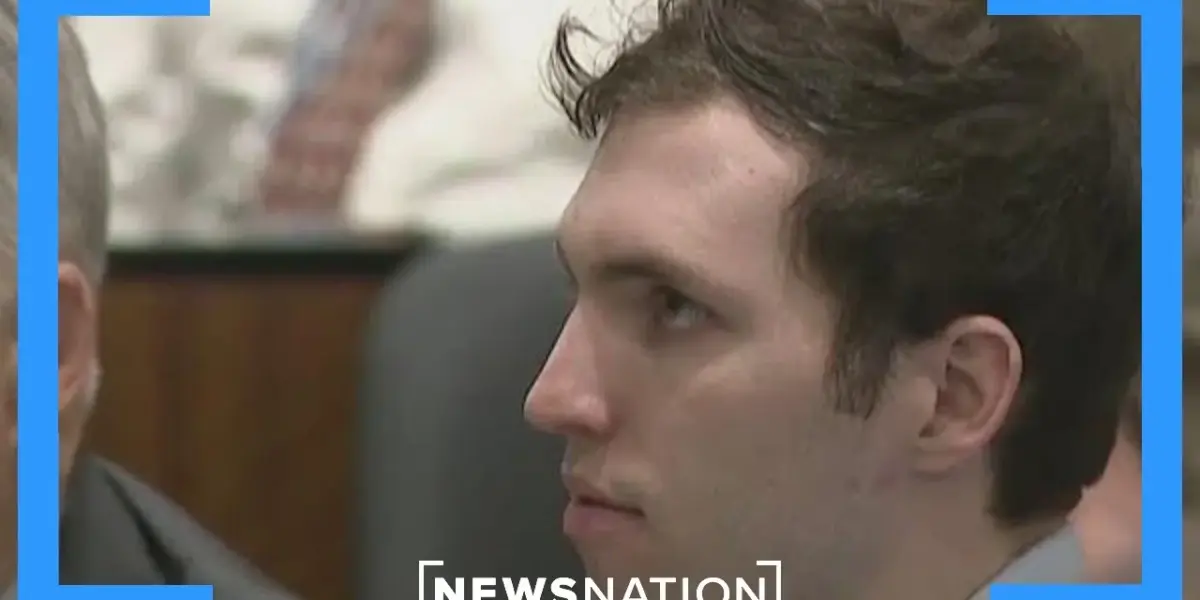
Attorneys for Tyler Robinson, accused of killing Charlie Kirk, revealed federal analysts couldn't match a bullet fragment to the rifle found at the scene. Forensics expert Joseph Scott Morgan explained this doesn't rule out the weapon but creates doubt for the defense. The FBI is conducting further tests.

Bullet Fragment Mismatch Fuels Defense in Charlie Kirk Case
A key piece of evidence in the case against Tyler Robinson, accused of killing Charlie Kirk, is now under scrutiny. Attorneys for Robinson revealed that federal analysts could not match a bullet fragment found during Kirk’s autopsy to a rifle discovered at the scene. This finding raises significant questions about the prosecution’s case, even as prosecutors point to DNA evidence found on the rifle’s trigger and cartridges, which they say is consistent with Robinson.
Forensic Expert Explains Ballistic Challenges
Joseph Scott Morgan, a forensics expert and associate professor at Jacksonville State University, explained the complexities of ballistic evidence. He clarified that the inability to match the bullet fragment doesn’t automatically mean the bullet did not come from the rifle. “The idea is that with this particular bit of evidence that they have, they were unable to match it because of the destruction of the actual round,” Morgan stated. He elaborated that when a rifle bullet hits a target, its copper jacket can shred into many tiny pieces.
“They were not able to get enough surface area from the jacket that’s left behind inside the wound track and at the point of contact to make a ballistic match,” Morgan explained. “That does not rule out this weapon.” In simple terms, the fragment was too damaged to provide a clear signature for comparison, not necessarily proof it wasn’t from the gun.
FBI Testing and Defense Strategy
The FBI is conducting additional tests, but Morgan expressed doubt about whether different technology could overcome the ATF’s advanced capabilities. “I can’t imagine having something that’s going to trump what the ATF has,” he said, noting the ATF’s lab is among the best in the world. If the FBI also fails to find a match, it could provide a strong argument for the defense.
“Any defense attorney worth their salt is going to use this to plant that seed of reasonable doubt,” Morgan added. He believes this forensic issue alone is unlikely to sink the entire case, as courts often rely on multiple types of evidence. “In forensics, we lean upon examples of tested practice, and so this is not something that is uncommon. It happens with great frequency,” he noted.
Broader Evidence and Future Scenarios
Morgan suggested that prosecutors will likely rely on other evidence, such as DNA found on the rifle’s trigger and cartridges. They may also present evidence from the wound track, possibly including X-rays, and testimony about where the bullet traveled within the body. These elements could collectively build a case for the jury.
While the inability to definitively link the bullet fragment to the rifle is problematic for the prosecution, it is a common occurrence in forensic investigations. Prosecutors are expected to be prepared for such challenges and will present a comprehensive collection of evidence. The outcome will depend on how the jury weighs the inconclusive ballistic evidence against the DNA findings and other potential proofs.
Global Impact
This case highlights the critical role of forensic science in the justice system. It shows how even advanced labs can face limitations when evidence is damaged. The legal system relies on certainty, and when scientific tests produce ambiguous results, it creates space for doubt. This can lead to acquittals or hung juries, impacting public trust in the legal process.
The focus on specific forensic details also underscores the importance of thorough investigations and the resources dedicated to them. The ATF and FBI represent the cutting edge of forensic analysis. When their findings are inconclusive, it prompts deeper questions about evidence integrity and the standards of proof required in criminal trials across the world.
Source: Bullet inconclusive in Charlie Kirk case: Court docs | Morning in America (YouTube)

Related Articles

FBI Experience Gap Undermines Cold Case Investigation
A former FBI agent points to a critical experience gap in the Nancy Guthrie cold case investigation. He suggests this lack of seasoned investigators may have led to missed evidence and overlooked inconsistencies, potentially jeopardizing the case. Unusual crime scene handling further fuels concerns about the investigation's leadership.

DNA Unlocks Cold Cases, Empowers Public
Individuals can now help solve cold cases like Nancy Guthrie's by taking DNA tests and uploading their genetic data to specific databases. This method of genetic genealogy empowers the public and offers new hope for justice.
Bundy Linked to 1974 Cold Case: Justice Arrives Decades Later
Authorities have definitively linked serial killer Ted Bundy to the 1974 murders of Laura and Amy, closing a nearly 50-year-old cold case. The announcement highlights the importance of preserving evidence and the advancements in forensic science that led to this breakthrough.