Brzezinski’s 2012 Iran Warning Echoes Today
A 2012 warning from Dr. Zbigniew Brzezinski about the dangers of attacking Iran is gaining new relevance. He predicted Iran's retaliation and global oil disruption, a scenario now being re-examined. The discussion highlights lessons from asymmetrical warfare and geopolitical shifts, urging clear communication on potential conflicts.

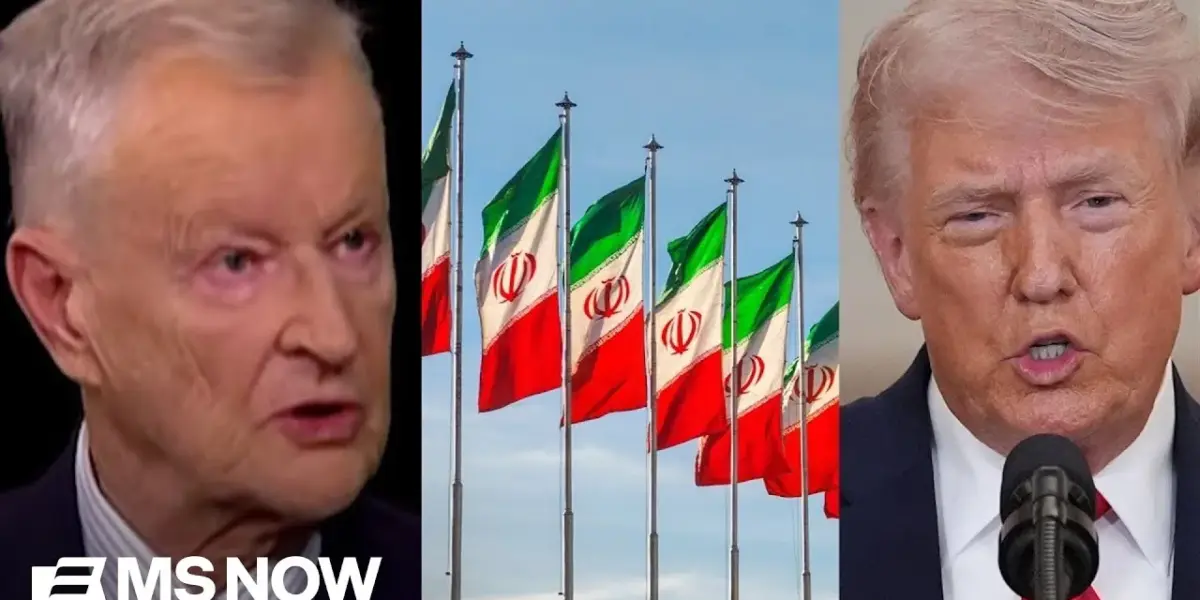
Brzezinski’s 2012 Iran Warning Echoes Today
In 2012, Dr. Zbigniew Brzezinski, a renowned geopolitical expert, issued a stark warning about the potential consequences of military action against Iran. He predicted that Iran, if attacked, could retaliate by targeting its Middle Eastern neighbors and disrupting global oil supplies. This foresight is being revisited today as current events appear to mirror his predictions, raising questions about the U.S. approach to Iran.
A Prescient Prediction
Dr. Brzezinski’s analysis, shared on television in 2012, detailed a scenario where an attack on Iran could lead to widespread instability. He specifically mentioned the possibility of Iran igniting conflicts in Bahrain, attacking Saudi Arabia’s northeastern oil fields, and destabilizing Iraq. “Can you imagine what the consequences would be for us if the conflict in Afghanistan expanded because of the Iranians, if Iraq was massively destabilized, if Bahrain was set on fire, if the northeastern oil fields in Saudi Arabia were attacked?” he asked.
He acknowledged Iran’s capacity to cause significant damage, stating, “To ignite, yes. To prevail, no.” However, he emphasized the cumulative costs and severe economic impact, including soaring oil prices. “Oil prices would go through the roof? Yes, and the global economy will be affected. So we’re playing with fire here,” he warned.
Asymmetrical Warfare and Its Costs
The discussion drew parallels between the potential Iran conflict and the ongoing war in Ukraine. It highlighted the concept of asymmetrical warfare, where a weaker nation can inflict considerable damage on a stronger one, even if it cannot achieve outright victory. This was compared to Russia’s initial expectations of a swift victory in Ukraine, which have not materialized, resulting in immense human and economic costs.
“We live in the age of asymmetrical warfare where weaker countries may not be able to prevail outright, but they can bleed dry another country,” the analysis explained. The transcript noted that Iran’s ability to disrupt oil supplies, particularly through the Strait of Hormuz, could have a profound global economic effect, impacting oil prices worldwide.
Lessons Not Learned?
The transcript suggests that the warnings from experts like Dr. Brzezinski were not heeded by previous administrations. Despite the potential for severe repercussions, there was a desire among some leaders to achieve the legacy of toppling the Iranian regime. However, the fear of prolonged conflict and its associated costs, as predicted by Brzezinski, likely deterred such actions.
The current situation is framed as a continuation of these challenges. Military options, including potential troop deployment to Iran to secure uranium materials, have reportedly been presented to the President. The analysis underscores the importance of clear communication from the Commander-in-Chief regarding the stakes involved in any potential conflict.
Broader Geopolitical Concerns
Beyond the immediate Iran situation, the discussion touched upon broader geopolitical shifts. There was concern about the weakening of NATO, with some suggesting that European allies no longer fully trust American commitments. This sentiment, reportedly present even during the previous administration, points to a changing global alliance structure.
The transcript also raised questions about the effectiveness of presidential speeches in communicating war strategies and objectives. It stressed the need for transparency with the American people, especially if ground troops are eventually deployed or if actions are taken to guarantee oil passage through critical waterways like the Strait of Hormuz.
Looking Ahead
As the situation with Iran remains tense, the insights from Dr. Brzezinski’s 2012 warning serve as a critical reminder of the potential consequences of military escalation. The ongoing challenges in Ukraine further illustrate the complexities of modern warfare and the potential for prolonged, costly conflicts. Future developments will likely depend on diplomatic efforts, strategic decisions regarding military options, and the ability of leaders to communicate clearly with their citizens about the significant risks and implications involved.
Source: The U.S. 'playing with fire' on Iran, Dr. Brzezinski warned in 2012 (YouTube)

Related Articles
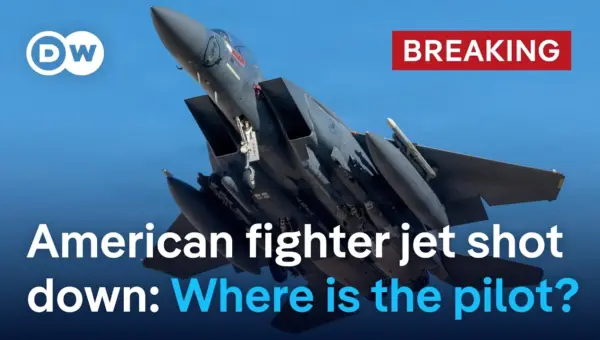
US Jet Downed in Iran: Crew Fate Unknown, War Unpopular
An American F-15 fighter jet has been shot down over Iran, with U.S. officials confirming the loss but offering few details on the crew's fate. The incident occurs amid widespread public opposition to the war and raises questions about Iran's air defense capabilities.
Iran Claims US Pilot Ejected; US Silent Amid Escalating Tensions
Iran claims a U.S. pilot ejected from a fighter jet over its territory, offering a reward for capture. The U.S. has not confirmed the report amid escalating regional tensions. Military experts discuss the strategic implications of U.S. strikes and the potential for internal change in Iran.

US Pilot Feared Lost in Iran; Search Underway
The U.S. military is conducting a search operation inside Iran for an American pilot whose fighter jet may have been downed. Details are limited, with uncertainty over whether the plane was shot down or suffered mechanical failure. The operation highlights the complexities of rescue missions in hostile territory and occurs amid heightened regional tensions.