Bryson DeChambeau Leads YouTube Golf Revolution
Bryson DeChambeau and other YouTube golf influencers are revolutionizing the sport by making it more accessible and relatable. This shift is drawing a new, younger audience to golf, challenging traditional norms and highlighting the importance of municipal courses and everyday players.

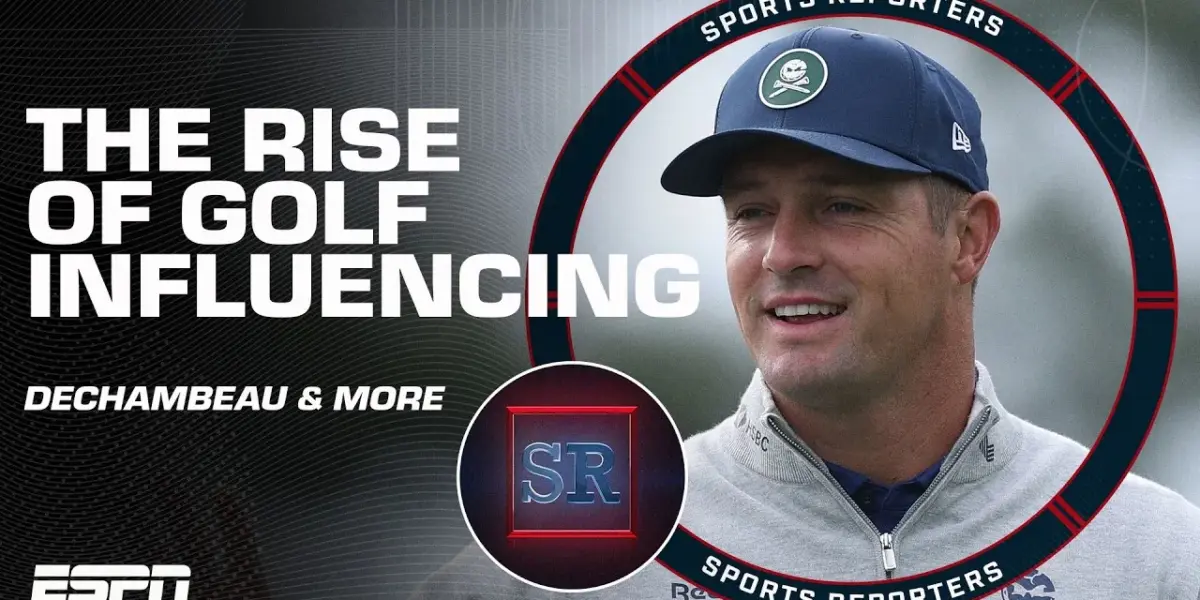
Bryson DeChambeau Leads YouTube Golf Revolution
Golf is changing, and Bryson DeChambeau is leading the charge, not just with his powerful drives, but with his massive online presence. The internet, especially platforms like YouTube, has become a new way to promote and popularize the game. DeChambeau is seen as a prime example of this shift, with his public image totally transformed by what fans see online.
This online ownership is a big reason why players like DeChambeau are drawn to LIV Golf. It allows them to control their own content and image, something that’s much harder to do when playing on the PGA Tour. For years, PGA Tour players have wanted more control over their own brands. DeChambeau’s success shows what’s possible when golfers embrace their social media channels.
Many people remember when DeChambeau first gained attention for something he said on Twitch. For those unfamiliar with these platforms, it highlights how golf is reaching new audiences. Even those who create golf content for YouTube, like the hosts of ‘The Sports Reporters,’ admit to being ‘YouTube lite’ when it comes to consuming golf online.
The impact is clear: a new generation is getting into golf through YouTube. One host shared how his 13-year-old son, who had no interest in golf before, recently became fascinated by the sport all thanks to YouTube videos. This shows a completely different way for people to discover and connect with the game.
Golf’s New Entry Point
Traditionally, golf has appealed to an older audience. But YouTube offers a way to engage younger fans, whether they want to play or just watch. The storytelling and production quality on YouTube golf channels have improved dramatically, attracting more viewers and money. This online movement even includes projects like TGL, a tech-infused golf league.
While some traditionalists might not watch these online golf shows or TGL, they acknowledge their importance. The daughter of one host and her friends, all 22 years old, are deeply into golf, but they don’t consume traditional golf media. Instead, they were captivated by the recent ‘good guys’ event at Pebble Beach, showing where the interest is shifting.
The hosts themselves admit they might be seen as ‘dinosaurs’ in the rapidly evolving golf world. Their audience might be older, but they recognize the need to connect with the new wave of golf fans. The energy around YouTube golf personalities is undeniable.
Influencers Draw Crowds
The reach of these online golf stars is remarkable. One personality, Grant Horvat, recently experienced this firsthand. While heading to a football game, he was mobbed by fans wanting photos and autographs, unable to even reach his destination. This level of attention isn’t just from avid golfers; it’s from a whole new group of fans introduced to the game through these influencers.
This mirrors how many parents, like the hosts’ own children, used to question why kids would watch others play video games instead of playing themselves. However, this is exactly how golf is now being experienced by many young people. They watch YouTube streamers, and then they want to go play golf.
This leads to a fun, yet sometimes confusing, situation. Kids might think they can just grab clubs and play like they see on TV. The beauty and the challenge lie in bridging this gap between online entertainment and the actual experience of playing golf.
Shrinking the Game?
There’s a tension between old-school golfers and this new wave. Some traditionalists resist the younger generation and the more casual style, like guys wearing backward baseball caps or taking selfies on the first tee. This creates a dynamic where the old guard and the new must learn to coexist.
However, the reality is that golf needs new fans. To support courses, buy equipment, and keep the sport alive, it can’t afford to turn away interested individuals. As older generations of golfers age, bringing in new blood is crucial.
While not everyone tunes into TGL, its existence is seen as positive, especially during quieter times of the year. It offers content for various fans, including those who enjoy betting on sports and want to be invested in events, even if it’s not everyone’s cup of tea.
Why YouTube Golf Works
The question arises: why does YouTube golf resonate so strongly, perhaps more than in other sports? A key factor is the backlash from traditional golf circles. The money in golf has historically been tied to exclusive country clubs and high-end experiences. This has often ignored the vast number of people playing at municipal courses.
Mainstream golf shows rarely feature these public courses, yet they are often packed with players. These are the very people who are drawn to YouTube golf. Companies that want to grow in the golf market, like Coca-Cola, could find huge success by targeting these players, not just the elite.
Younger viewers aren’t necessarily looking for perfect scores. They want to watch relatable personalities, even if they aren’t the best golfers. Some of the most popular online figures hit shanks and laugh, showing a more human side of the game. This contrast with the polished image of tour professionals confuses the golf establishment.
The answer lies in accessibility. These YouTube personalities are like characters in a relatable story. While being a top tour pro is for a select few, anyone can have fun playing golf with friends and creating content. This is the reality for most golfers, unlike the idealized image of perfect swings on pristine courses.
Capturing Real Golf
YouTube has captured what golf actually looks like for the majority of people. This is especially relevant during major events like the Masters, which represents an almost fantasy version of golf. The perfectly manicured Augusta National is far from the reality of most golf courses, which might be a bit shaggy, dry, or brown, like those found in Scotland.
This online movement celebrates the real experience of being a golfer. It’s about enjoying the game with friends, not just achieving professional-level perfection. This approach makes golf more approachable and fun for a wider audience.
However, there’s a crucial distinction from reality TV. While reality TV sometimes rewarded bad behavior, golf is different. Disrespecting the game or others within it leads to strong consequences. Players who try to be outlandish or disrespectful often face checks from the golf community and don’t achieve the fame they seek. This is seen as a positive, ensuring that while the game embraces new styles, it still values respect and integrity.
Source: How Bryson DeChambeau has capitalized on his own YouTube brand in golf ⛳️ | The Sports Reporters (YouTube)

Related Articles

LIV Golf: Saudi Soft Power or Merely a Loss Leader?
LIV Golf is more than just a golf tour; it's a strategic tool for Saudi Arabia's global influence. While the PGA Tour has gained the upper hand in competition, LIV's true value lies in building connections and improving Saudi Arabia's image, not in making profits from the sport itself.

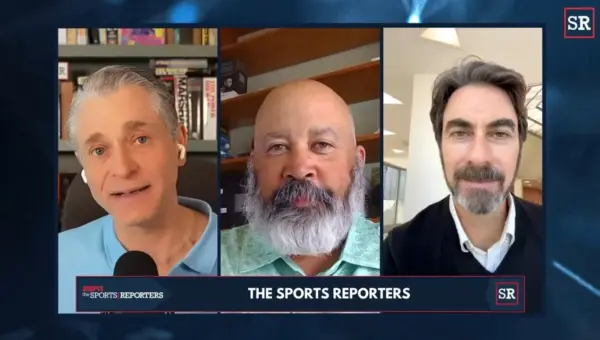
YouTube Golf Stars Steal Spotlight from Pros
Golf is undergoing a major transformation, with YouTube creators bringing a fresh, relatable energy to the sport. While LIV Golf has shaken up the professional scene, it's the online personalities capturing the everyday golfer's experience that are drawing in a new generation. Experts discuss how this shift impacts the game's future, from amateur play to professional tours.
Tiger Woods Seeks Treatment Amid DUI Charges, Attorney Hints at Prescription Drugs
Tiger Woods has announced he is stepping away for treatment following his recent DUI arrest. His attorney suggests prescription drug use may be a factor, similar to his 2017 DUI case. Woods faces charges including refusing a urine test, with legal experts analyzing his defense strategy.