British Museum Alters ‘Palestine’ Labels Amid Protests
The British Museum is facing backlash over reports it altered labels referring to 'Palestine' in its galleries, sparking protests and debate over potential political pressure. The museum denies bowing to influence, stating changes were academic, but critics question the timing and motivations amidst the ongoing conflict in Gaza.

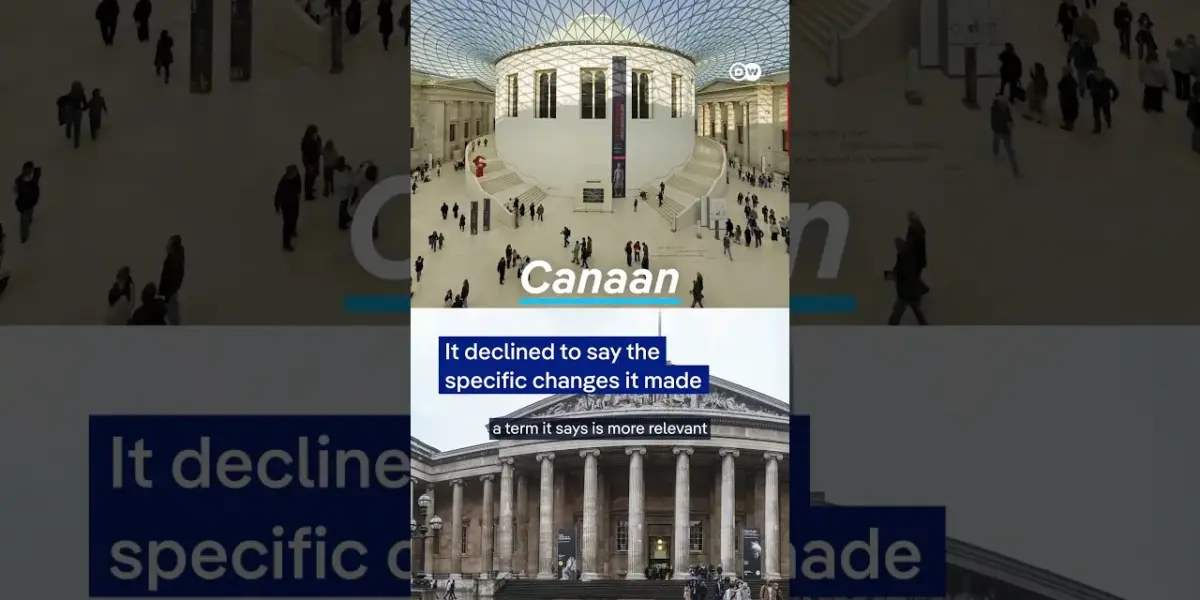
British Museum Rebrands ‘Palestine’ Labels Amid Controversy
The British Museum has become the center of a significant controversy following reports that it removed the term ‘Palestine’ from some of its galleries. This decision has ignited protests and widespread backlash, with critics questioning whether the prestigious institution bowed to external political pressure. The core of the dispute lies in the museum’s decision to alter maps and descriptions that previously used ‘Palestine’ to refer to periods when, according to a pro-Israel lawyers group, such an entity did not exist. This group argued that such usage risks obscuring the historical narrative of Israel and the Jewish people.
Museum Denies Political Influence, Cites Academic Reasons
In response to the outcry, the British Museum has vehemently denied that its curatorial decisions were influenced by political pressure. The museum stated that the changes were made independently and were driven by academic considerations. “We are distinguishing between archaeological facts and geographical places,” a museum representative explained. “We’re not saying Palestine means Palestine. Back then on the late bronze there were such a place named Palestine. we’re talking about here exactly about the southern Levant. When we put Palestine in in the late bronze, that’s only a geographic name.” The museum maintains that it continues to utilize the term ‘Palestine’ in various galleries, encompassing both contemporary and historical contexts. However, it clarified that specific labels and maps were updated to reflect the term ‘Canaan,’ which it asserts is more academically relevant for the southern Levant region during the later second millennium BC.
Expert Weighs In on Historical Accuracy and Naming Conventions
Aean Wazna, a Palestinian archaeologist and musicologist with two decades of experience, offered a nuanced perspective on the matter. “If we talk strictly the late bronze Canaan is more accurate. We don’t context that I don’t have a problem with that,” Wazna stated. “But what was the the reasons they put actually Palestine in in the first place? There is no scientific or there is no new discoveries make you change this.” This sentiment highlights the core of the debate: while acknowledging the potential for alternative historical terminology, the perceived lack of new evidence raises questions about the impetus behind the changes.
Broader Implications: Museums in Politically Charged Times
The controversy at the British Museum occurs against the backdrop of the ongoing conflict in Gaza, which has reportedly damaged over 150 cultural heritage sites, many of them ancient archaeological locations. This tragic situation brings to the forefront a critical question for cultural institutions worldwide: When museums undertake curatorial adjustments on politically sensitive subjects, especially during periods of conflict, how can the public be assured that the motivations are purely academic and not a response to external political pressures? The incident at the British Museum is not an isolated case. The same pro-Israel lawyers group that raised concerns in London has reportedly approached other institutions. The Open University in the UK was allegedly asked to cease describing the Virgin Mary as being born in ancient Palestine in its educational materials. Similarly, the Royal Ontario Museum in Canada faced similar pressure regarding artifacts labeled as originating from ‘Syria’ or ‘Palestine.’
Navigating Sensitivity and Historical Truth
Museums, by their very nature, often deal with sensitive historical narratives and artifacts that can evoke strong emotions. The challenge lies in presenting these histories accurately and responsibly. “Museums are based on sensitivities. We show facts. Facts sometimes hurt,” a commentator noted, underscoring the delicate balance these institutions must maintain. The artifacts in question at the British Museum, particularly those from the region, were largely excavated during the era of the British Mandate for Palestine, adding another layer of historical complexity to the naming conventions used.
Future Outlook: Scrutiny and Transparency
As the debate surrounding the British Museum’s curatorial decisions continues, the focus will likely remain on transparency and the criteria used for labeling historical artifacts. The incident serves as a potent reminder of the intersection between history, politics, and cultural heritage, and the increasing scrutiny faced by major institutions in an era of heightened geopolitical tensions. The global community will be watching to see how the British Museum and other cultural bodies navigate these complex issues moving forward, ensuring that historical narratives are presented with integrity and academic rigor.
Source: British Museum Controversy: Did it remove 'Palestine'? | DW Shorts (YouTube)

Related Articles


Peru Demands Answers on Mysterious Mummy Discoveries
Peru is demanding independent scientific investigations into mysterious mummy-like objects. The nation is committed to protecting its heritage and ensuring the truth is revealed, whether the objects are genuine artifacts or elaborate hoaxes.


Shen Yun Revives Ancient China Amid Communist Suppression
Shen Yun Performing Arts has launched a new tour, aiming to revive 5,000 years of traditional Chinese culture suppressed by the Communist Party. The group's mission has garnered significant support from 70 New York state officials, highlighting a global interest in pre-communist Chinese heritage.
Israel Expands Borders Amid Regional Turmoil
Reports indicate Israel is pursuing territorial expansion, termed the 'Greater Israel' project, involving incursions into neighboring countries and displacement of local populations. This agenda, fueled by religious ideology, is escalating conflict in Lebanon and the West Bank, creating a significant humanitarian crisis. The US faces renewed scrutiny over its alliance with Israel amidst these developments.