Britain Faces Missile Threat: Iran’s Reach Extends to UK
Britain faces a significant vulnerability to potential missile attacks from Iran, according to defense analyst Mark Urban. Experts warn of a critical gap in UK defense capabilities, while Iran's evolving missile arsenal and strategic threats to the Strait of Hormuz heighten regional tensions.

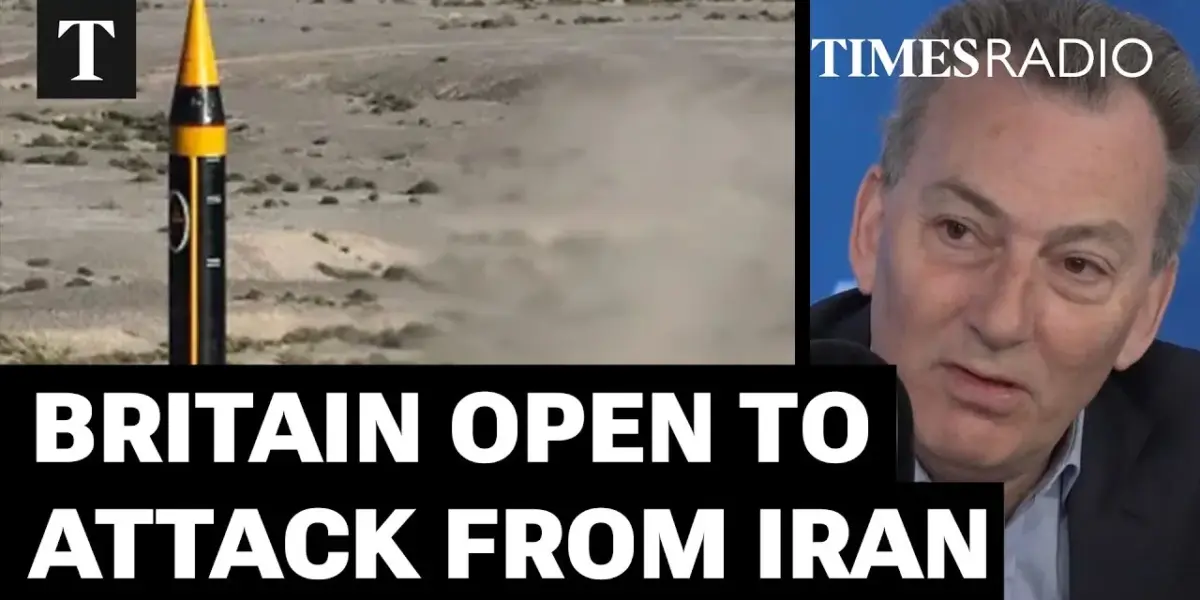
UK Vulnerable to Iranian Attack, Experts Warn
Britain is significantly exposed to potential attacks from Iran, according to defense analyst Mark Urban. This stark warning highlights a critical gap in the UK’s defense capabilities, a concern that has been voiced by experts for some time. While direct, large-scale attacks on major cities might be improbable, the threat of even a small warhead landing randomly could cause significant psychological distress and alarm among the population.
Iran’s Evolving Missile Arsenal
The geopolitical tensions surrounding Iran have been escalating, particularly concerning its missile program. While Israel has previously targeted Iran’s long-range missile stockpiles, Iran has demonstrated its continued ability to launch ballistic missiles. Recent attacks on southern Israeli towns serve as a reminder of this capability. Crucially, Iran possesses a larger arsenal of shorter-range missiles, which pose a significant threat to Gulf States due to their proximity.
These shorter-range missiles were not the primary focus of Israeli strikes last year, leading to a larger, more potent stockpile. The concern is amplified by Iran’s stated threats to retaliate against potential U.S. strikes on its power stations. Iran has specifically named 12 power and desalination plants in six Gulf countries, indicating a clear capability and intent to strike critical infrastructure.
Miscalculations and Underestimation of Iran
There is a growing sentiment that crucial miscalculations have been made in assessing Iran’s capabilities and potential responses. Experts suggest that the U.S. may have underestimated Iran’s resilience and its capacity to retaliate, particularly in the context of a protracted conflict. This underestimation extends to understanding how long Iran could sustain a fight and the extent of its strategic options.
The current situation involves Iran utilizing proxies like Hezbollah and the Houthis to conduct missile attacks, a tactic that allows them to project power without direct confrontation. This strategic approach, combined with a deep sense of national identity forged through historical conflicts like the Iran-Iraq War, contributes to Iran’s perceived strength and determination.
The ‘Golden Bridge’ and Diplomatic Impasse
Drawing on military strategy, some experts suggest that a critical error has been the failure to provide Iran with a diplomatic “golden bridge” – a pathway for de-escalation and retreat without complete capitulation. The current ultimatum from the U.S. leaves Iran with few options other than collapse, fueling further tension.
Behind the scenes, efforts are being made by countries like Turkey to broker a resolution and prevent the expiration of the U.S. ultimatum. However, a meaningful peace agreement remains elusive. Iran, sensing the global reliance on Gulf energy, has raised its demands significantly. They are seeking security guarantees, compensation for past damages, and are even proposing transit fees for ships passing through the Strait of Hormuz. These demands complicate diplomatic efforts and make a swift resolution more challenging.
U.S. Strategy and Military Preparations
The U.S. strategy appears to be a complex mix of diplomatic pressure and military posturing. While President Trump has issued ultimatums, there are indications that the Pentagon is developing military options for potential operations in the Strait of Hormuz. This includes preparations involving marine task groups and airborne brigades.
The U.S. is also managing global oil prices, potentially to buy time while military options are finalized in cooperation with allies like the United Arab Emirates and Saudi Arabia. The timeline for developing these military options suggests a process that could take weeks, if not months, highlighting the immediate need for de-escalation.
The Threat to Shipping in the Strait of Hormuz
The potential disruption of shipping in the Strait of Hormuz remains a primary concern. Iran’s threats include mining the strait, launching anti-ship missiles from shore, deploying speedboats, and potentially using unmanned surface vessels and miniature submarines. While Iran has not fully mined the strait, preventing all passage, it has created a situation where shipping is precarious.
The U.S. military is working to neutralize these threats by targeting underground storage sites for missiles and attempting to destroy hidden speedboats. The use of sea drones, similar to those employed by Ukraine, is also a possibility. The layered nature of these threats – through air, surface, and subsurface – presents a complex challenge for naval defense.
Britain’s Defense Deficit
Returning to the initial concern, the vulnerability of the UK to a missile attack from Iran is a significant issue. While the prospect of a direct strike on London is not the most likely scenario, the UK’s existing missile defense infrastructure is described as embryonic. The current NATO missile defense system, with radars in Romania and Poland, offers a slim chance of intercepting a missile on the right trajectory.
Even deploying a Type 45 destroyer, one of the UK’s advanced warships, offers limited anti-missile capability. The core issue remains a long-standing defense deficit, a lack of capability that would require substantial investment to rectify. This leaves Britain “wide open,” a vulnerability that demands urgent attention and strategic planning.
Source: Britain Is ‘Wide Open’ To Attack From Iran | Mark Urban (YouTube)

Related Articles

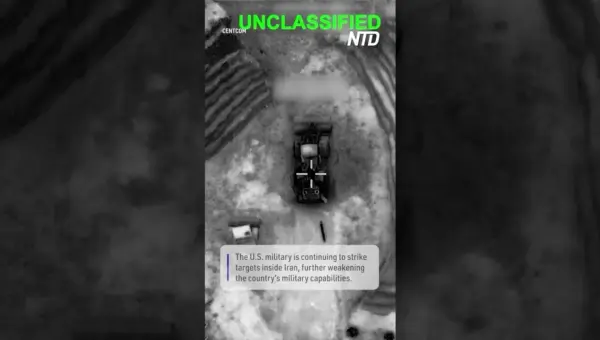
US Strikes Cripple Iran’s Military Might, CENTCOM Reports
U.S. Central Command reports ongoing strikes inside Iran are significantly weakening its military power. This direct action aims to reshape regional security dynamics, but carries risks of escalation. The long-term impact depends on Iran's response and ability to adapt.


U.S. Iran Tensions Rise Amid Shifting Alliances
Rising tensions between the U.S. and Iran are creating a volatile geopolitical situation. With conflicting signals on de-escalation and potential shifts in alliances like NATO and U.S.-Israel relations, the path forward remains uncertain. The global economy and regional stability hang in the balance.


Iran Targets US With Cyberattacks, Escalating Digital Warfare
Iran is increasingly using cyberattacks to challenge the U.S., as seen in a recent hack of the FBI director's account. Experts say this is a strategic shift due to Iran's limitations in conventional warfare. The U.S. needs to strengthen its digital defenses, focusing on encryption and cloud computing, rather than solely relying on traditional security measures.