Breaking Into Real Estate: Opportunity Knocks
High property prices and interest rates dominate current real estate discussions, leading many to believe market entry is impossible without wealth. However, historical perspective and strategic thinking suggest opportunity persists for those willing to learn and adapt, regardless of their starting financial position.


Breaking Into Real Estate: Opportunity Knocks
The narrative that breaking into the real estate market is an insurmountable challenge for those without existing wealth is a persistent one. Many aspiring homeowners and investors today express frustration, citing high property prices and elevated interest rates as insurmountable barriers. The sentiment is often, “You can’t find good deals anymore. Prices are too high. The interest rates are too high. It’s impossible to really break into the real estate market unless you’re already rich.” However, this perspective, while understandable in the current climate, echoes sentiments expressed by previous generations and may, in fact, be the very mindset that prevents individuals from entering the market.
A Timeless Mindset, A Changing Market
The challenges of high prices and interest rates are not unique to the current era. Twenty years ago, similar concerns were voiced. Yet, history demonstrates that opportunity in real estate often arises for those who adopt a strategic and persistent approach, regardless of their initial financial standing. The story of a young individual who, as a broke college student with no financial backing or industry connections, managed to acquire multiple properties before graduating underscores this point. This success was not attributed to luck or privilege, but to a “different way of thinking” – a mentorship that provided guidance on strategy and opportunity.
Understanding the Investor’s Toolkit
For those looking to enter the real estate investment landscape, understanding key financial concepts is crucial. While the transcript doesn’t delve into specifics, a foundational knowledge of terms like Capitalization Rate (Cap Rate), Loan-to-Value Ratio (LTV), and Cash Flow is essential.
- Cap Rate: This metric is used to estimate the potential return on an investment property. It’s calculated by dividing the net operating income (NOI) of a property by its current market value. A higher cap rate generally indicates a potentially more profitable investment, assuming comparable risk.
- LTV: The LTV ratio compares the loan amount to the appraised value of the property. Lenders use this to assess risk; a lower LTV often means a lower risk for the lender and potentially better loan terms for the borrower. For instance, a 20% down payment on a $300,000 property results in an LTV of 80%.
- Cash Flow: This refers to the net income generated by a property after all expenses (mortgage, taxes, insurance, maintenance, etc.) have been paid. Positive cash flow means the property is generating more income than it costs to operate, providing a regular return to the investor.
These concepts, when understood and applied, can help investors analyze deals and identify properties that align with their financial goals, even in a challenging market.
Broader Economic Influences on Housing
The real estate market does not operate in a vacuum. It is significantly influenced by broader economic factors. Current high interest rates, for example, directly impact mortgage affordability, making it more expensive for buyers to finance a purchase. This can lead to reduced demand, potentially stabilizing or even lowering prices in some areas. Inflation, employment rates, and overall economic growth also play critical roles. When the economy is strong and employment is high, demand for housing tends to increase, pushing prices up. Conversely, economic downturns can dampen demand and lead to price corrections. Geopolitical events and supply chain issues can also indirectly affect construction costs and material availability, influencing new housing supply.
Regional Variations and Impact
The real estate market is inherently local, with significant variations occurring across different regions and even within neighborhoods. While national trends provide a general overview, specific markets can behave very differently. For instance, areas with strong job growth and desirable amenities might continue to see price appreciation despite higher interest rates, while less dynamic markets could experience stagnation or declines.
For buyers: In high-demand, appreciating markets, affordability remains a significant hurdle. However, in slower markets, buyers might find more negotiating power and a wider selection of properties. Understanding local market dynamics is key to making informed decisions.
For sellers: In markets with strong demand, sellers may still achieve favorable prices, though the rapid bidding wars of recent years might be less common. In softer markets, sellers may need to adjust their price expectations and be prepared for longer listing times.
For investors: The ability to generate positive cash flow becomes paramount in a market with higher borrowing costs. Investors might need to look for properties in areas with lower entry prices or higher rental yields. Analyzing the long-term potential of a market, rather than short-term price fluctuations, is crucial.
The Enduring Opportunity
Despite the current headwinds, the fundamental principles of real estate investment endure. The opportunity to build wealth through property ownership has historically been accessible to those who are willing to learn, adapt, and persevere. The strategy may involve creative financing, focusing on specific niches, or identifying undervalued properties. The key takeaway from those who have succeeded, even from humble beginnings, is that mindset and strategy are often more powerful than initial capital. While the market conditions have evolved, the potential for strategic entry and long-term growth in real estate remains.
Source: I Was A Broke College Kid When I bought My First Property (YouTube)

Related Articles


Florida Housing Market Sees Sellers Face Losses
Sellers in Florida are increasingly facing significant financial losses as the housing market experiences a notable downturn. Properties bought just a couple of years ago are now being sold for less than their purchase price, highlighting the cyclical nature of real estate and the importance of data-driven decision-making.

Housing Market Slowdown: Cities to Watch for Price Declines
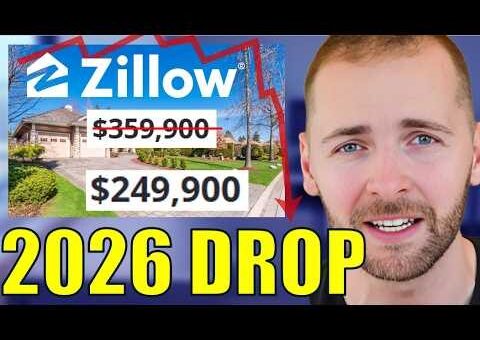
Several U.S. cities are projected to see home price declines in 2026, driven by rising inventory and slower demand. Orlando, Seattle, Dallas-Fort Worth, Tampa, and Denver are among the markets highlighted for potential price adjustments, offering opportunities for buyers but signaling a shift from recent market conditions.


Unlocking Real Estate: Value-Add Strategies for Investors
The traditional belief that significant capital is required to invest in real estate is being challenged by a value-add strategy. This approach focuses on identifying and improving underperforming properties to increase their market value and income potential, often requiring less upfront cash than purchasing pristine assets.