Brazil Revokes Amazon Waterway Decree Amid Indigenous Protests
Brazil has revoked a controversial decree that would have authorized a major waterway through the Amazon rainforest, following significant protests from Indigenous communities. The decision is hailed as a victory for environmental protection and Indigenous rights, demonstrating the power of collective action in shaping national policy.


Indigenous Victory: Brazil Rescinds Controversial Amazon Waterway Decree
In a significant triumph for Indigenous rights and environmental advocacy, the Brazilian government has officially revoked a decree that would have authorized the construction of a major waterway through the Amazon rainforest. The decision, announced Tuesday, comes after sustained and vocal opposition from Indigenous communities, environmental organizations, and human rights groups who decried the project as a grave threat to biodiversity, traditional lands, and the very fabric of Indigenous culture. The revocation marks a pivotal moment, demonstrating the power of collective action and Indigenous leadership in shaping national policy.
The Controversial Decree and Its Ramifications
The decree, initially issued by the Ministry of National Infrastructure and Environment, sought to establish a legal framework for the development of a vast waterway system, often referred to as the “Hidrovia” project, which would have significantly altered river navigation and ecosystems across the Amazon basin. Proponents argued the waterway would boost economic development and improve transportation for remote communities. However, critics vehemently opposed the plan, highlighting the potential for widespread deforestation, habitat destruction, pollution, and the displacement of Indigenous peoples from their ancestral territories. The project was seen as a direct assault on the ecological integrity of the world’s largest tropical rainforest and a violation of the rights of its original inhabitants.
Indigenous Resistance and Celebration
Indigenous leaders and communities across Brazil mobilized swiftly to protest the decree. Utilizing social media, traditional communication networks, and public demonstrations, they articulated a powerful message: the Amazon is not merely a resource to be exploited, but a sacred territory integral to their identity, spirituality, and survival. “It was worth it, my brother. Definitely worth it,” exclaimed one Indigenous protester, reflecting the collective relief and joy following the government’s reversal. “This is how we show an act of democracy. The Indigenous people have given Brazilian society the chance to exercise its democracy, to have respect for our ancestors, to have respect for our culture, to respect the Brazilian people.” The sentiments captured in this quote encapsulate the deep emotional and cultural significance of the victory, emphasizing a broader assertion of democratic participation and cultural preservation.
“The Indigenous people have given Brazilian society the chance to exercise its democracy, to have respect for our ancestors, to have respect for our culture, to respect the Brazilian people.”
Indigenous Protester
The protests were characterized by a strong assertion of Indigenous sovereignty and a demand for their voices to be heard in decisions that directly impact their lives and lands. The successful mobilization served as a powerful testament to their resilience and their deep connection to the Amazon.
Broader Implications for Environmental Policy
The revocation of the waterway decree sends a clear signal about the growing influence of environmental and Indigenous rights movements in Brazil. It suggests a potential shift in the government’s approach to development projects in ecologically sensitive areas, prioritizing consultation and environmental protection over unchecked exploitation. This decision could embolden other Indigenous communities and environmental advocates to challenge potentially harmful projects in the future. Furthermore, it aligns Brazil with international calls for greater conservation of the Amazon, a region critical for global climate stability. The victory is not just for Brazil but for the planet, underscoring the vital role Indigenous peoples play as guardians of the forest.
Environmental Concerns and Future Outlook
While this decision is a cause for celebration, the underlying pressures for development in the Amazon remain. The region continues to face threats from illegal logging, mining, agricultural expansion, and infrastructure projects. Environmental organizations are urging continued vigilance, emphasizing that this victory must be a catalyst for more robust protections for the Amazon and its peoples. Future policy decisions will be closely watched to ensure that the rights and environmental integrity of the Amazon are consistently upheld. The ongoing struggle highlights the complex balance between economic development and environmental sustainability, with Indigenous communities often at the forefront of this critical debate.
What to Watch Next
The focus now shifts to how the Brazilian government will implement policies that genuinely respect Indigenous land rights and environmental conservation. Continued monitoring of development projects, increased support for Indigenous-led conservation initiatives, and the full implementation of existing environmental legislation will be crucial. The international community will also be observing Brazil’s commitment to protecting the Amazon, a vital global asset. The success of this protest may pave the way for greater Indigenous participation in policy-making processes, fostering a more inclusive and sustainable future for the Amazon rainforest.
Source: Indigenous protesters celebrate as Brazil revokes Amazon waterway decree | DW News (YouTube)

Related Articles


Brazil Floods and Landslides: Death Toll Rises Amidst Emergency
At least 25 people have died and dozens are missing following severe floods and landslides in southeastern Brazil. A state of emergency has been declared as rescue operations continue amidst challenging conditions. The disaster highlights the vulnerability of communities to extreme weather events.


Trump’s State of the Union overshadowed by boycott, controversy
Congressional Democrats are boycotting President Trump's State of the Union address, opting instead for a "People's State of the Union" event. The boycott coincides with renewed scrutiny over allegations related to the Jeffrey Epstein files and the Trump administration's environmental policies.

Trump Threatens “Unseen” Force on Iran After Leader’s Death
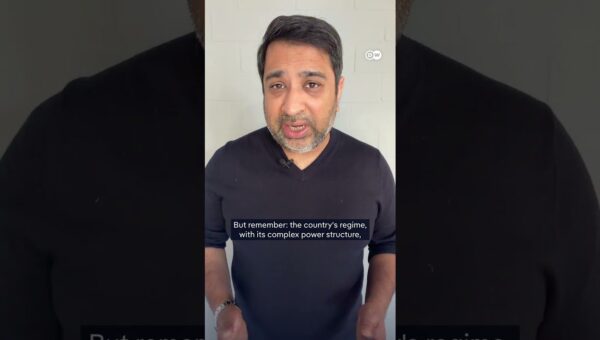
Following the assassination of Supreme Leader Ayatollah Ali Khamenei, U.S. President Donald Trump has vowed to unleash unprecedented force on Iran. While outlining ambitious goals including regime change, experts express skepticism about the effectiveness of airstrikes and the potential for popular uprising against a resilient Iranian government.