Brain Zaps Could Revolutionize Sleep and Fight Dementia
Scientists are developing 'Zap Caps' that use gentle electrical stimulation to improve sleep quality and potentially combat dementia. A recent trial showed promising results, with participants experiencing a "stonkingly good nap" and feeling rejuvenated.

Brain Stimulation Offers Hope for Better Sleep and Cognitive Health
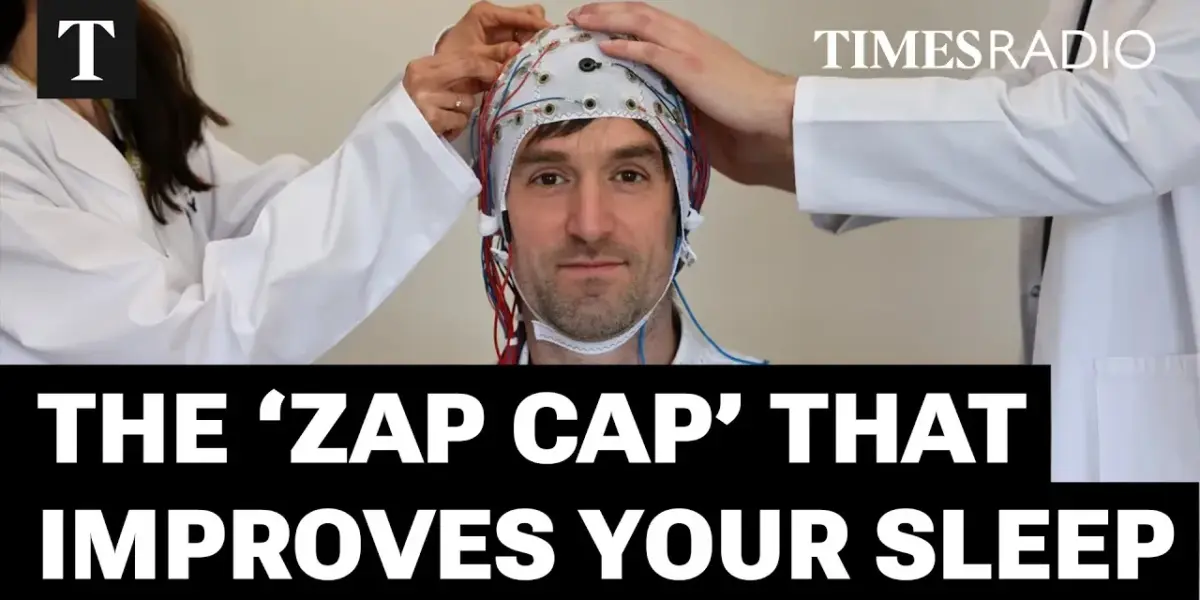
Scientists are exploring a novel approach to combat widespread sleep problems and potentially ward off dementia: using gentle electrical stimulation to enhance brain activity during sleep. Tom Whipple, a science writer for The Times, recently tested a prototype device, dubbed the ‘Zap Cap,’ in a sleep laboratory, offering a firsthand account of this cutting-edge research.
What is the Zap Cap?
The Zap Cap is a piece of laboratory equipment designed to interact with brain waves during sleep. It’s a cap that covers the back of the head, equipped with electrodes. These electrodes can both read brain wave patterns and deliver small electrical currents to specific brain regions. The current is applied in sync with natural brain wave patterns, aiming to influence sleep processes.
How Does It Work?
Our understanding of sleep is still developing, but scientists know that the brain exhibits different repeating patterns, called brain waves, when we are asleep. The Zap Cap targets these patterns. Whipple’s cap was specifically designed to enhance something called ‘spindles.’ These brain wave patterns are known to be crucial for memory consolidation, the process where the brain sorts and stores information learned during the day. This means that reinforcing spindles could help solidify memories, lending some truth to the idea that studying before sleep aids recall.
A Personal Trial: The Nap Experience
Whipple described the Zap Cap as a “cumbersome piece of kit” in its current form, with the hope of making it more accessible in the future. He underwent the trial at Surrey University’s sleep laboratory. His task was simple: lie down, wear the cap, and nap. He admitted to feeling a bit nervous about failing to fall asleep, which would leave him with little to report. However, as he pondered this worry, he found himself drifting off. He awoke later to daylight and a question about his nap. The primary goal of the device, he learned, isn’t necessarily to induce sleep but to improve its quality and duration. By applying electrical current in sync with brain activity, the device aims to reinforce beneficial sleep patterns.
The Link Between Sleep and Dementia
The research is partly funded by the Dementia Research Institute, highlighting a critical connection. Approximately one-third of British adults experience sleep issues, ranging from insomnia to general restlessness, with problems often worsening with age. Crucially, research suggests a link between poor sleep and serious health conditions like diabetes and dementia. While the exact nature of this link is still being studied, it’s possible that poor sleep contributes to dementia, or that dementia itself disrupts sleep, or a combination of both. Improving sleep could therefore be a vital strategy in preventing or managing cognitive decline.
Beyond Sleeping Pills
Current sleep aids, like sleeping pills, are often criticized for being a “crude way” to achieve sleep. They can induce unconsciousness but may interfere with normal brain functions, essentially suppressing certain activities rather than enhancing healthy sleep processes. The Zap Cap and similar technologies offer a different path. By working *with* the brain’s natural mechanisms, they aim to promote genuinely restorative sleep. Whipple described his nap as “stonkingly good,” feeling rejuvenated and ready to face his workday afterward, a stark contrast to the grogginess some experience after napping.
The Future of Sleep Technology
While the current Zap Cap is a lab prototype, the ultimate goal is to develop more user-friendly devices. The researchers envision a future where people might use such technology at home to improve their sleep. Given the widespread desire for better sleep and the significant health implications of sleep deprivation, the market for effective, non-pharmacological sleep solutions is enormous. Whipple concluded that if such technology can provide better sleep with fewer side effects, it would be “the dream.”
Looking Ahead
The ongoing research into brain stimulation for sleep represents a promising frontier in health technology. As studies progress and devices become more refined, we may see a future where wearable technology plays a significant role in maintaining cognitive health and overall well-being by optimizing our sleep. The potential to address both common sleep disturbances and serious neurodegenerative diseases makes this an area to watch closely.
Source: I Wore The ‘Zap Cap’ And Had A Stonking Nap | Tom Whipple (YouTube)

Related Articles


Trump’s Paperclip Tale Sparks Dementia Fears
Donald Trump's recent remarks about a paperclip, which he incorrectly stated was "discovered" and not invented, have sparked widespread concern. The confused story, coupled with other unclear statements, has led many to question his cognitive abilities and mental fitness for public office.

Wake Up at 3 AM? Try This Trick to Sleep Fast
Waking up at night due to stress can be frustrating. Learn a simple, science-backed nasal breathing technique to calm your nervous system and fall back asleep quickly. This method helps counteract the body's stress response without medication.


Trump’s Frailty Exposed Amidst Defense Chaos and War Concerns
Recent events reveal mounting concerns over Donald Trump's physical and cognitive health, intertwined with a troubling lack of clarity in defense decision-making. Testimonies suggest a reliance on 'decision matrices' rather than direct presidential guidance, raising alarms about national security.