Border Policy Fuels Crime: A Life Lost, A Nation Divided
The alleged murder of a Loyola student by a Venezuelan national has intensified criticism of U.S. border policies. Critics blame the Biden administration's border decisions, while others question local prosecution practices.


US Border Policies Under Fire After Student’s Murder
A tragic event has ignited a fierce debate over U.S. immigration policies. Sheridan Gorman, an 18-year-old Loyola University student, was allegedly murdered by Jose Medina Medina, a Venezuelan national. This shocking crime has led to accusations that President Biden and Homeland Security Secretary Mayorkas bear responsibility for the death.
Accusations Against Administration
Critics argue that the Biden administration’s decision to reverse Trump-era immigration policies on its first day in office intentionally opened the border. They claim this led to a surge of people entering the country, including individuals like Medina Medina. Batya, a commentator, stated that Biden and Mayorkas have “blood on their hands” for this outcome. She believes that reversing Trump’s executive orders, which she described as effective in preventing large numbers of people from entering, allowed millions of people into the U.S. This, she contends, is a direct result of what she calls “Trump derangement syndrome” and has led to such violent incidents.
Alleged Killer’s Criminal History
The situation is further complicated by reports that Medina Medina had been encountered by authorities twice before and was released each time. This raises questions about the effectiveness of current enforcement procedures. The specific charges that led to his previous releases are not detailed, but the fact of his prior encounters and subsequent freedom before the alleged murder is central to the criticism.
Role of Local Prosecutors
The discussion also touched upon the role of local prosecutors, particularly those described as “Soros-backed DAs.” These prosecutors are accused by some of not believing in traditional criminal justice and instead favoring the release of alleged offenders. The commentator noted that Medina Medina’s previous charges were for shoplifting, which is different from violent offenses like murder, rape, or assault. This distinction was seen as potentially lessening the direct blame on local prosecutors compared to if he had been released while facing more serious charges.
Broader Immigration Debate
This incident highlights a deeper, ongoing debate about border security and immigration. Supporters of stricter border controls argue that a more controlled entry process is essential for national security and public safety. They believe that weak enforcement can lead to increased crime and strain on social services. On the other hand, those advocating for more open or lenient immigration policies often emphasize humanitarian concerns and the economic benefits of immigration. They might argue that focusing on the immigration status of alleged criminals distracts from addressing the root causes of crime and that individuals should be judged on their actions, not their background.
Historical Context
The current debates echo historical tensions surrounding immigration in the United States. Throughout its history, the nation has grappled with how to manage its borders and integrate new populations. Policies have swung between periods of relative openness and strict enforcement, often influenced by economic conditions, national security concerns, and public sentiment. The Trump administration’s “zero tolerance” policy and efforts to build a wall were part of a broader trend of increased border securitization, a stark contrast to earlier, more permissive immigration eras.
Economic and Social Ramifications
The economic impact of immigration is a complex issue. While some argue that undocumented immigrants often take low-wage jobs and contribute to the economy through consumption and taxes, others point to the potential strain on public resources like schools and healthcare. The debate over border security also intersects with discussions about labor markets and the need for workers in various sectors. The management of borders has direct implications for international trade, tourism, and diplomatic relations.
Potential Future Scenarios
Several future scenarios could emerge from this situation. The administration might face increased pressure to tighten border enforcement, potentially leading to policies resembling those of the previous administration. Alternatively, a push for comprehensive immigration reform could gain momentum, seeking to balance security with humanitarian considerations and create clearer pathways for legal immigration. There is also the possibility of continued political polarization, with the issue remaining a central point of contention in elections, potentially leading to cyclical policy changes with each administration.
Global Impact
The events in the U.S. have broader implications for the global order. Debates over border control and immigration in major Western nations often influence international relations and humanitarian aid efforts. Policies enacted by countries like the U.S. can set precedents or create pressures for other nations dealing with migration flows. Furthermore, the rhetoric surrounding these issues can impact perceptions of national identity and the treatment of immigrant communities worldwide. The way a nation handles its borders is often seen as a reflection of its values and its place in the global community.
Source: Biden, Mayorkas ‘have blood on their hands’ for Loyola student’s murder: Batya | NewsNation Prime (YouTube)

Related Articles


GOP Slams Senate’s DHS Funding Bill: Border Security Ignored
House Republicans are sharply criticizing the Senate's handling of a Homeland Security funding bill, arguing it neglects crucial border security measures. The dispute highlights ongoing political tensions and the potential impact on government agencies and national security priorities.

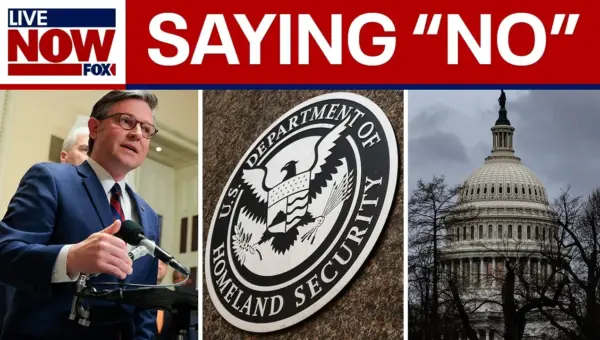
House Speaker Rejects Senate Bill, Proposes Clean Funding for DHS
House Speaker Mike Johnson rejected the Senate's proposed DHS funding bill, calling it a "radical agenda" that would reopen borders. He announced a Republican plan for a "clean" funding extension until May 22nd to ensure DHS employees are paid. President Trump reportedly supports this House-led initiative.

House Republicans Push Clean Funding Bill to End DHS Shutdown
House Republicans are proposing a "clean" funding bill to keep the Department of Homeland Security operational, aiming to end a shutdown that has impacted federal workers. The bill seeks to extend current funding levels until May 22nd, bypassing contentious immigration policy debates. Republicans accuse Senate Democrats of using the process to push a "radical agenda" that would effectively defund border security.