Border Patrol’s Gregory Bovino to Retire Amid Controversy
U.S. Border Patrol official Gregory Bovino is retiring, stepping down from a role that placed him at the center of controversial border security operations. His departure comes amidst ongoing scrutiny of the agency's strategies and leadership.

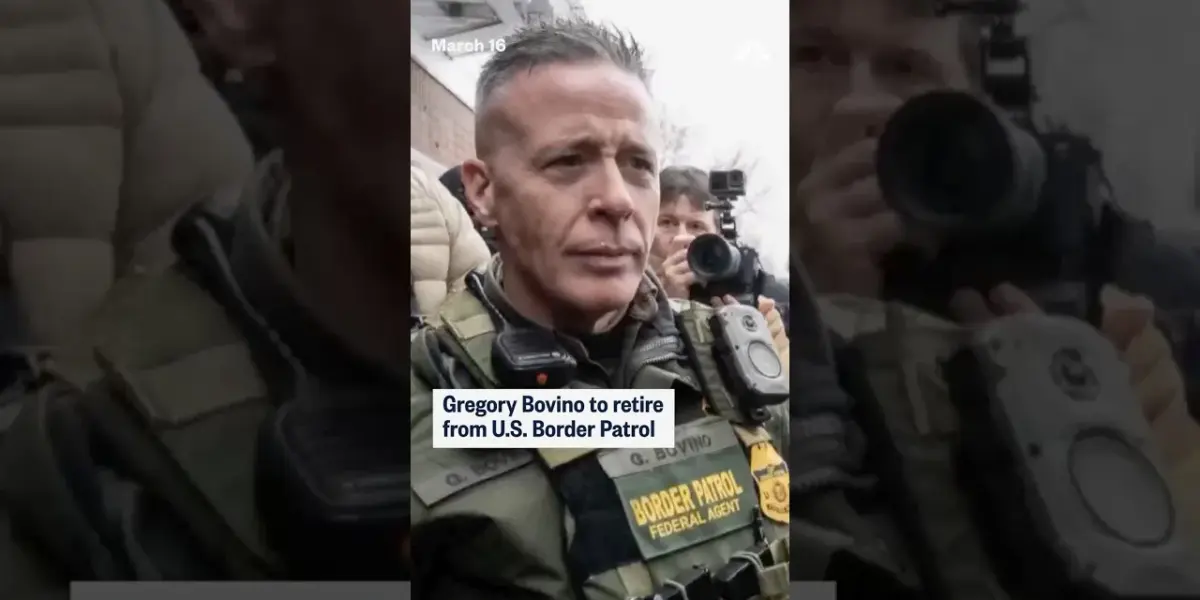
Border Patrol Leader Gregory Bovino Announces Retirement
Gregory Bovino, a high-ranking official within the U.S. Border Patrol, has announced his upcoming retirement. The news comes at a time of significant transition and ongoing scrutiny for the agency, with Bovino having been a prominent figure associated with controversial operations and policies during his tenure. His departure marks the end of a career that saw him navigate complex border security challenges and political shifts.
A Career Marked by Controversy and Leadership Roles
Bovino’s career in the Border Patrol included leadership positions that placed him at the center of significant operational decisions and public attention. At one point, he was reportedly placed in charge of the Minneapolis operation, a role from which he was later sidelined. He subsequently returned to an earlier posting in California. This period coincided with the tenure of Tom Homan, who served as the Border Czar under President Trump. Homan had tasked Bovino with overseeing and managing conditions as operations were being adjusted or wound down in certain areas.
The transcript suggests that Bovino was eligible for retirement and was approximately a year away from his planned departure. However, his decision to retire now places him in the spotlight as the agency faces continued debate over its strategies and effectiveness. Bovino became, as the transcript notes, “the face of much of the controversy that took place there.” This association likely stems from his involvement in high-profile initiatives and the broader political climate surrounding border security during his service.
Broader Context of Border Security and Political Shifts
The retirement of a figure like Bovino occurs against a backdrop of evolving U.S. border security policy. Administrations have consistently grappled with how to manage the influx of migrants, secure the border, and uphold humanitarian standards. Each administration brings its own set of priorities and approaches, leading to policy shifts that directly impact the day-to-day operations and leadership within agencies like the Border Patrol.
The role of a “Border Czar,” as mentioned in relation to Tom Homan, highlights the intense focus and high-level attention dedicated to border management. These appointed positions often signal a strategic push by the executive branch to implement specific border security agendas. Bovino’s involvement in operations under such a framework underscores the pressures and expectations placed upon senior Border Patrol officials during periods of heightened political focus.
The controversies alluded to in the transcript likely encompass a range of issues that have plagued border security discussions for years, including family separations, detention conditions, and the efficacy of enforcement tactics. As a visible leader, Bovino was inevitably linked to the outcomes and public perception of these initiatives. His retirement may be seen by some as a move to step away from an increasingly politicized environment, while others may view it as a consequence of the challenges inherent in managing such a complex and often contentious portfolio.
Implications for the U.S. Border Patrol
Bovino’s departure creates a vacancy that will need to be filled, presenting an opportunity for new leadership to shape the agency’s direction. The incoming leadership will inherit a complex operational landscape, marked by ongoing challenges at the border and continued public and political scrutiny. The agency’s ability to adapt to changing demographics, international dynamics, and domestic policy mandates will be crucial.
The transition also occurs at a time when the Border Patrol is seeking to recruit and retain qualified personnel. High-profile controversies and the demanding nature of the work can impact morale and recruitment efforts. A change in leadership, coupled with potential policy adjustments, could influence the agency’s internal culture and its public image. The effectiveness of future operations will depend not only on leadership but also on resources, inter-agency cooperation, and the broader geopolitical context.
What’s Next for Border Security Leadership?
Gregory Bovino’s retirement is a significant personnel change within the U.S. Border Patrol. As the agency moves forward, attention will be focused on who will succeed him and what strategic direction they will pursue. The ongoing debates surrounding border security are unlikely to abate, and the new leadership will face immediate pressure to address pressing issues. The effectiveness of future border management strategies, the agency’s relationship with border communities, and its ability to navigate the political currents surrounding immigration will be key indicators of its trajectory in the coming years.
Source: Gregory Bovino to retire from U.S. Border Patrol (YouTube)

Related Articles

House Republicans Reject Senate Deal, Sparking Government Funding Clash
House Republicans have rejected a Senate bill to end the government shutdown, citing insufficient border security measures. Congressman Randy Fine called the Senate deal a "disgrace" and highlighted the ongoing fight for full government funding. President Trump's executive order to pay TSA agents offers temporary relief, but the core disagreement over border security continues to paralyze Washington.

House Rejects Senate Bill, Citing Border Security Funding Gaps
House Republicans are rejecting a Senate funding bill, arguing it lacks essential appropriations for ICE and CBP, threatening anti-trafficking efforts and border security. They plan to pass a short-term measure to force renewed negotiations.

Trump’s Iran War Plans Criticized Amid Border Funding Standoff
Lawmakers and analysts are criticizing the Trump administration's handling of the Iran conflict and its approach to border funding, arguing that a lack of clear planning and a focus on political battles are making the U.S. less safe. Concerns are particularly high regarding the FBI's priorities and the potential impact of these issues on national security.